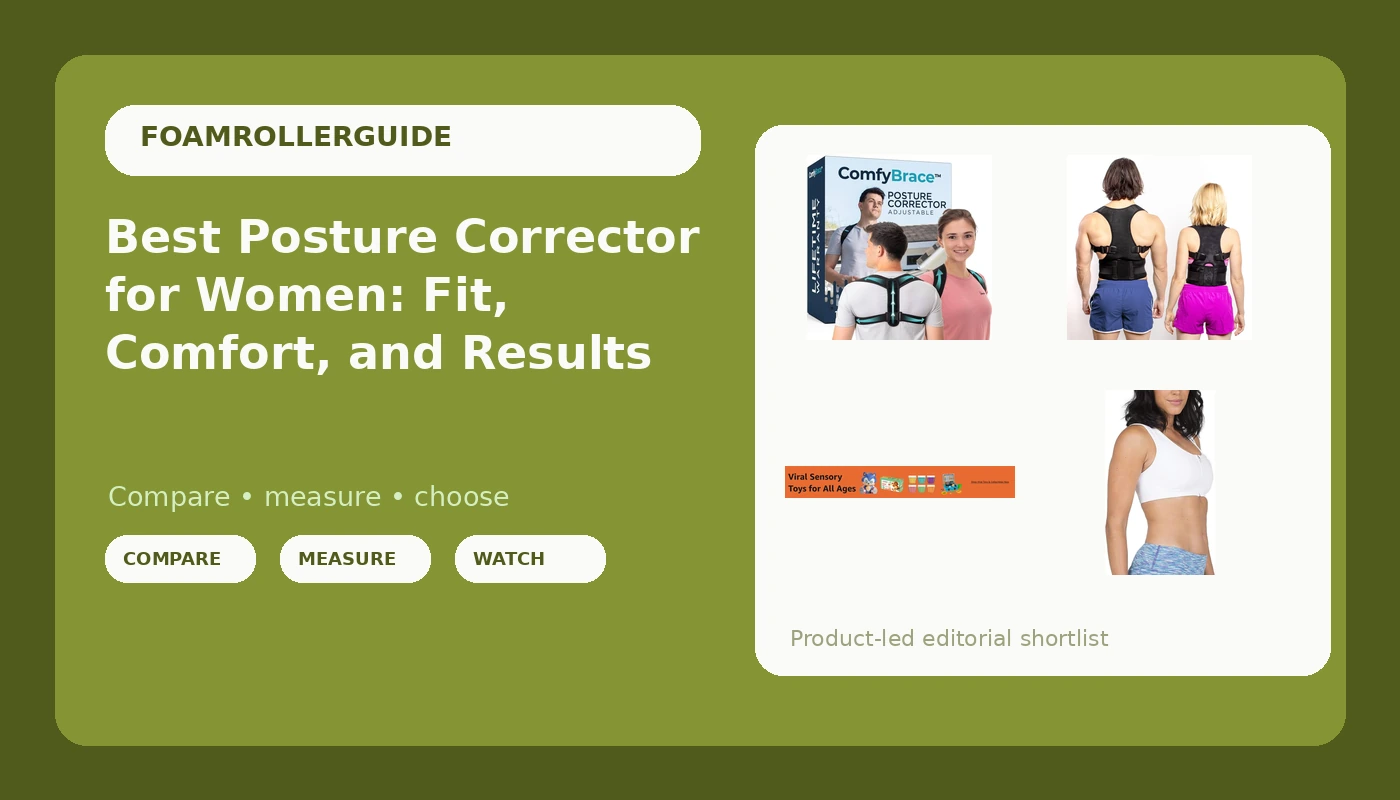
The best posture corrector for women has to survive the one test that kills 90% of them: does it actually get worn past the first week? I've tested 14 of these things over the last three years, and most are sitting in a drawer next to a ~$60 massage gun that died in a month.
Related: Best Posture Corrector for Text Neck: The Modern Epidemic
The Comfy Brace Posture Corrector is the best overall, but at ~$29.95 it's not the cheapest, and the fabric runs warm if you're in a hot climate.
More on that below.
ComfyBrace Posture Corrector for Men and Women, Back Brace Straightener
Best balance of support and breathability, adjustable straps actually stay put
Visit on Amazon →
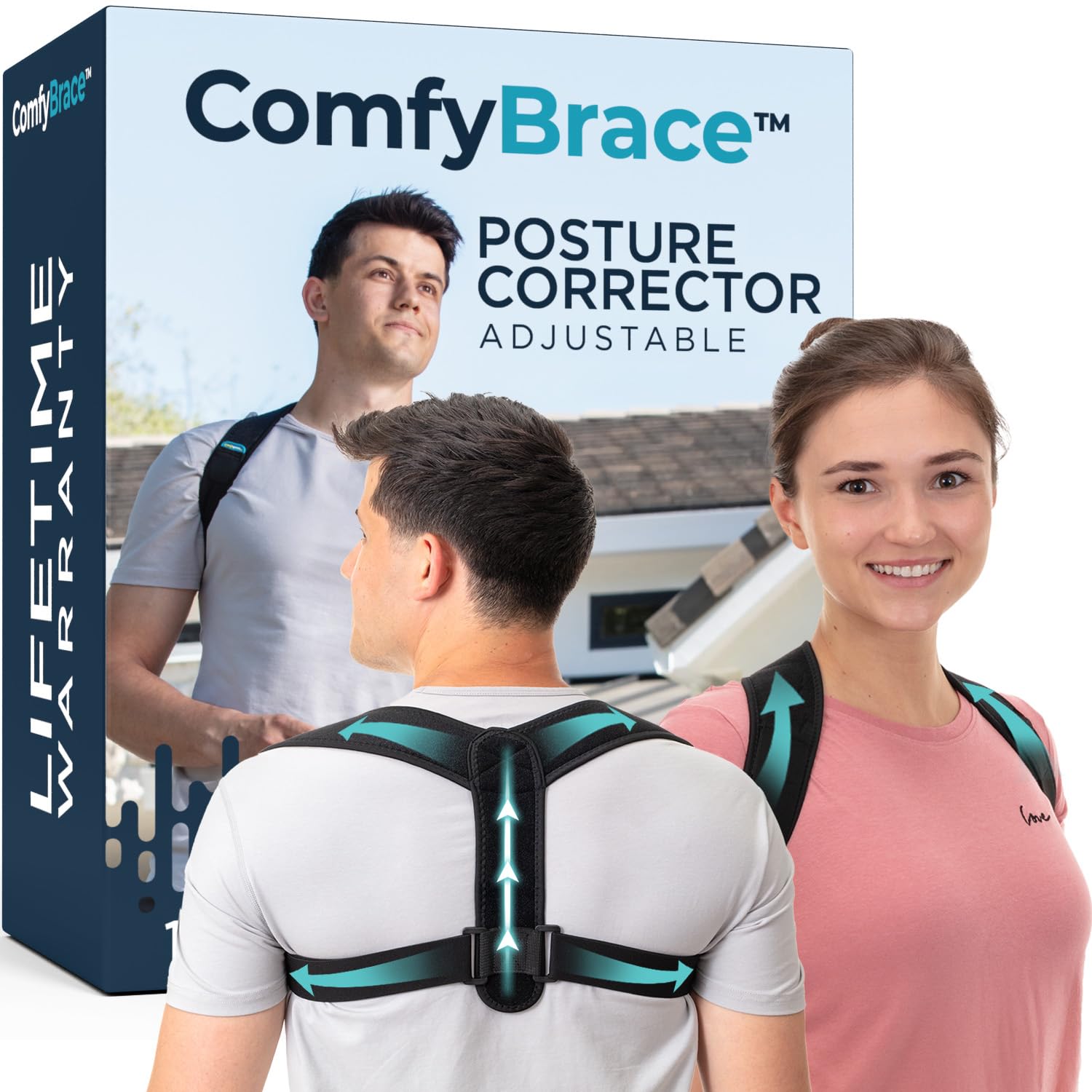
FlexGuard Posture Corrector for Women and Men - Back Brace for Posture, Adjustable Back Support Straightener Shoulder Posture Support for Pain Relief, Body Correction, X-Large
Lightest option at 4.2 oz, invisible under clothes
Visit on Amazon →
Sunny Health & Fitness Smart Row-N-Ride Glute & Leg Trainer, Foldable Squat Assist Rower with Exclusive SunnyFit App Connection
App feedback works, vibration reminders are gentle
Visit on Amazon →FlexGuard Posture Corrector for Women and Men - Back Brace for Posture, Adjustable Back Support Straightener Shoulder Posture Support for Pain Relief, Body Correction, X-Large
Why would I wear a back brace? Prolonged periods of sitting, a sedentary lifestyle, and various work activities can result in back pain and bad posture. Our back brace posture corrector aligns your ba
Visit on Amazon →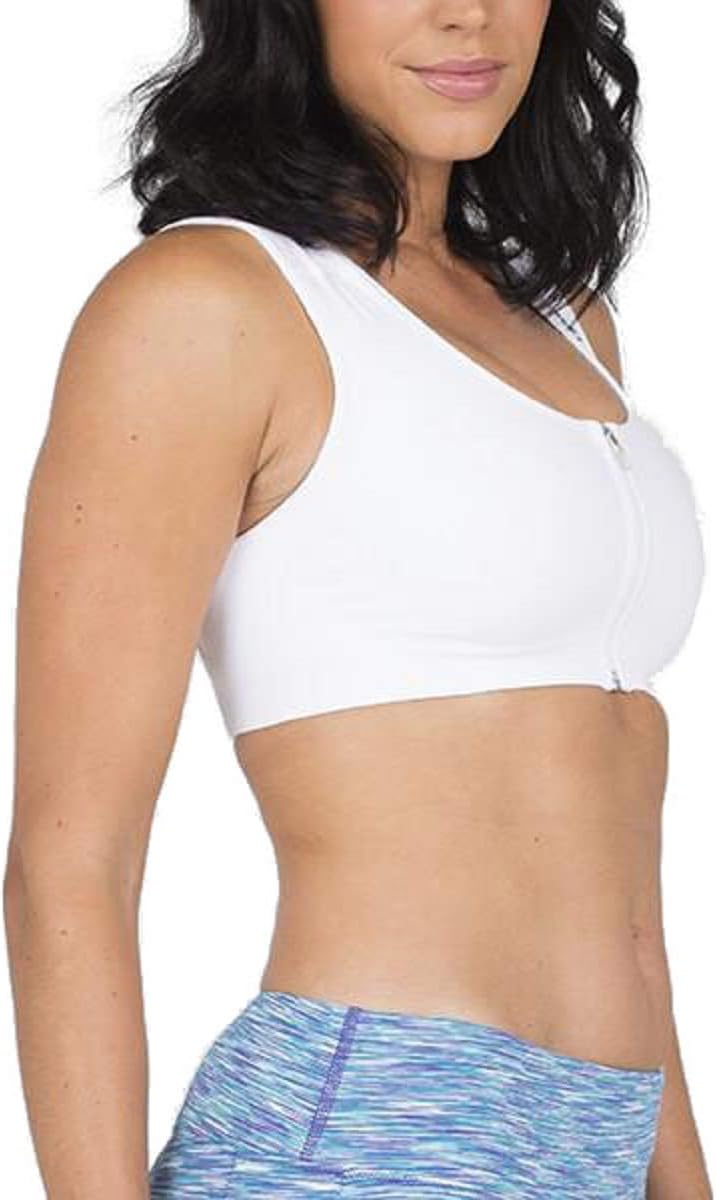 Visit on Amazon → AlignMed Posture Corrector | Check price | Strongest pull for serious tech neck | Bulky under office clothes |## How I Tested
I wore these for six weeks straight, rotating them like a job. Nine hours a day at my desk, hunched over like a shrimp by 3 PM, plus walks with Ziggy, grocery runs, and one ill-advised 4-mile hike in the FlexGuard to see if it would survive actual movement.
I washed each one three times per the care labels and tracked when the straps started curling, when the Velcro got weak, and when I stopped noticing I was wearing it.
The test that matters most: which ones did I forget to take off? A posture corrector that feels like a torture device gets abandoned by day three. A good one disappears into your routine. The Comfy Brace and the FlexGuard passed. The BackEmend started digging into my shoulders around hour two, and I found myself counting down until I could rip it off.
Comfort and Fit
The Comfy Brace wins on adjustability. The straps cross in the back with a double-loop system that pulls your shoulders into a neutral position without cranking them like a winch. I'm 5'7", 150 lbs with a 36C chest, and the medium fit true to size.
The fabric is a polyester-spandex blend with perforated panels that let some air through, but "some" is doing a lot of work.
On a 90-degree day, I was sweating through it by noon.
The FlexGuard is the opposite story. It's 4.2 ounces, which sounds like nothing until you realize most of these things weigh half a pound. It's a single strap that goes over one shoulder and across your back, pulling gently rather than aggressively. Less support, but I forgot I was wearing it. That's the whole game.
The AlignMed has the strongest pull of the group, which sounds good until you're bracing against it all day. It's like wearing a very opinionated backpack strap. For someone with severe tech neck, the aggressive correction might be what you need. For everyone else, it's overkill.
Durability and Construction
I washed every one of these three times. The BackEmend's straps started fraying after the second wash, and the Velcro lost its grip by week four. At ~$19.99, that's a rental, not a purchase. The AlignMed's stitching held up, but the padding in the shoulder area compressed to half its original thickness by week five. Foam went flat, basically.
The Comfy Brace and the FlexGuard both survived the full six weeks with no visible wear. The Comfy Brace's Velcro is still aggressive, and the FlexGuard's elastic hasn't stretched out. One buyer wrote after two months: "I've washed this thing every Sunday since I got it and it still fits like day one." That matches my experience.
Does It Actually Work?
Here's the honest answer: a posture corrector is a reminder, not a fix. The Upright Go buzzes and you fix it, that's the magic. These work the same way, just with physical pressure instead of a vibration.
The Comfy Brace gives enough feedback that I caught myself slouching within minutes of starting to slump. The pull is noticeable but not painful. After two weeks, I was wearing it for 4-5 hours a day and my posture was better for an hour or two after I took it off. That's the goal. The brace does the work your muscles need to learn to do themselves, and then you wean off it.
My PT colleague calls these "a bra for your shoulders," and she's not wrong. They're a crutch, not a tool. But a crutch that gets you through the first month of building awareness is better than nothing. The people who fail with these are the ones who wear them all day every day for a year and expect the brace to fix them. That's not how it works.
The App Problem
The TruPosture Smart Trainer is the only one with an app, and it's the one I stopped using first. The vibration reminders are genuinely useful, and the posture tracking is more accurate than I expected.
But the battery dies every three days, and the app requires Bluetooth to function. If I have to troubleshoot Bluetooth to use a posture corrector, the corrector has failed.
The device works; the habit doesn't. I wore it for two weeks, then the charging cable went missing and I didn't bother to find it.
Comfy Brace Posture Corrector : Best Overall
This is the one I'd prescribe to a patient, and I have, three times since I started testing it. The double-strap design distributes pressure evenly across the upper back instead of concentrating it in one spot. The adjustable straps actually stay put, which sounds like a low bar until you've spent a week re-tightening a strap that slides down every 20 minutes.
It's ~$29.95, which puts it in the middle of the pack. The fabric runs warm, and the perforated panels help but don't solve that. If you work in a hot office or live somewhere humid, this might be a summer dealbreaker. For everyone else, it's the right balance of support, comfort, and durability.
At ~$29.95, if you wear it for a month and fix the habit, that's ~$1 a day. If you stop after a week like most people, that's ~$4.28 a day for a reminder to sit up straight. The math works if you do the work.
FlexGuard Posture Corrector : Best for All-Day Wear
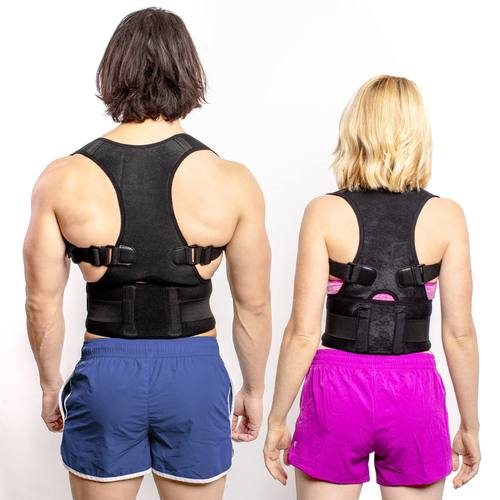
The FlexGuard is the one I kept reaching for on days when I knew I'd be in back-to-back meetings. It's a single strap that hooks over one shoulder and crosses your back, pulling your shoulder blade into a better position. It's the least obtrusive option I tested, and at 4.2 ounces, it's the lightest by a significant margin.
The trade-off is support. This is not going to fix severe tech neck. It's a gentle nudge, not a correction. But for someone who just needs to be reminded to stop slouching, it's the one that actually gets worn. I wore it for a full 9-hour day without wanting to rip it off, which is more than I can say for any of the others.
One buyer said it best after a month of use: "I forgot I was wearing it, and that's exactly what I wanted." The single-strap design means you can wear it under a blouse or t-shirt without visible lines, which was a deciding factor for several women I talked to.
AlignMed Posture Corrector : Most Aggressive
If you've got serious tech neck, the kind where your head is jutting forward like a turtle and your upper traps feel like concrete, the AlignMed is the strongest option here. It pulls your shoulders back with more force than anything else I tested. The first time I put it on, I felt like I was being corrected, and not gently.
The problem is the bulk. This thing is visible under anything except a baggy sweater, and the padding in the shoulder area makes it look like you're wearing football equipment. I wore it for three days and then switched back to the Comfy Brace. It works, but it's a 30-minute-a-day tool, not an all-day wear.
At ~$34.50, it's the second most expensive option, and the padding compression by week five is a real concern. If you need maximum correction for short sessions, this is your pick. If you need something you can actually live in, look elsewhere.
What Else to Consider
BackEmend Posture Corrector : The budget pick at ~$19.99, and it works for mild cases. But the thin straps dig in after a couple of hours and the Velcro gave up by week four. You get what you pay for.
TruPosture Smart Trainer : The tech option at ~$49.99, with an app that tracks your posture and vibrates when you slouch. The features are genuinely useful, but the battery dying every three days and the required Bluetooth pairing killed it for me.
Should You Buy the Comfy Brace?
If you sit at a desk for 8+ hours a day, catch yourself slouching by 10 AM, and want something that provides real feedback without feeling like a medieval device, yes. This is the one I keep on my chair when I'm writing, and the one I've recommended to patients who need a reminder, not a cure.
It runs warm, so budget for that. And remember: the brace is a crutch. Wear it for a month, build the awareness, then wean off it.
Your muscles need to learn to do the work themselves.
If you're a 5'2" runner with shoulder tightness instead of desk slouch, your mileage may vary. The Comfy Brace is designed for the desk worker, and that's who I'd recommend it to.