The Posture War Nobody's Winning
I've spent 12 years as a physical therapist and watched more patients strap on posture correctors than I can count. I've also told most of them to throw the damn things away. But here's the uncomfortable truth I've landed on after years of clinic work, my own tech neck, and a garage full of half-tested gadgets: the research on posture correctors vs exercise is more complicated than my colleagues want to admit.
My advice: Exercise wins for long-term postural change, but a posture corrector isn't the enemy you've been told it is. It's a reminder tool, not a treatment, and the research backs that up. The problem is that most people use it like a treatment, then quit when it doesn't fix them.
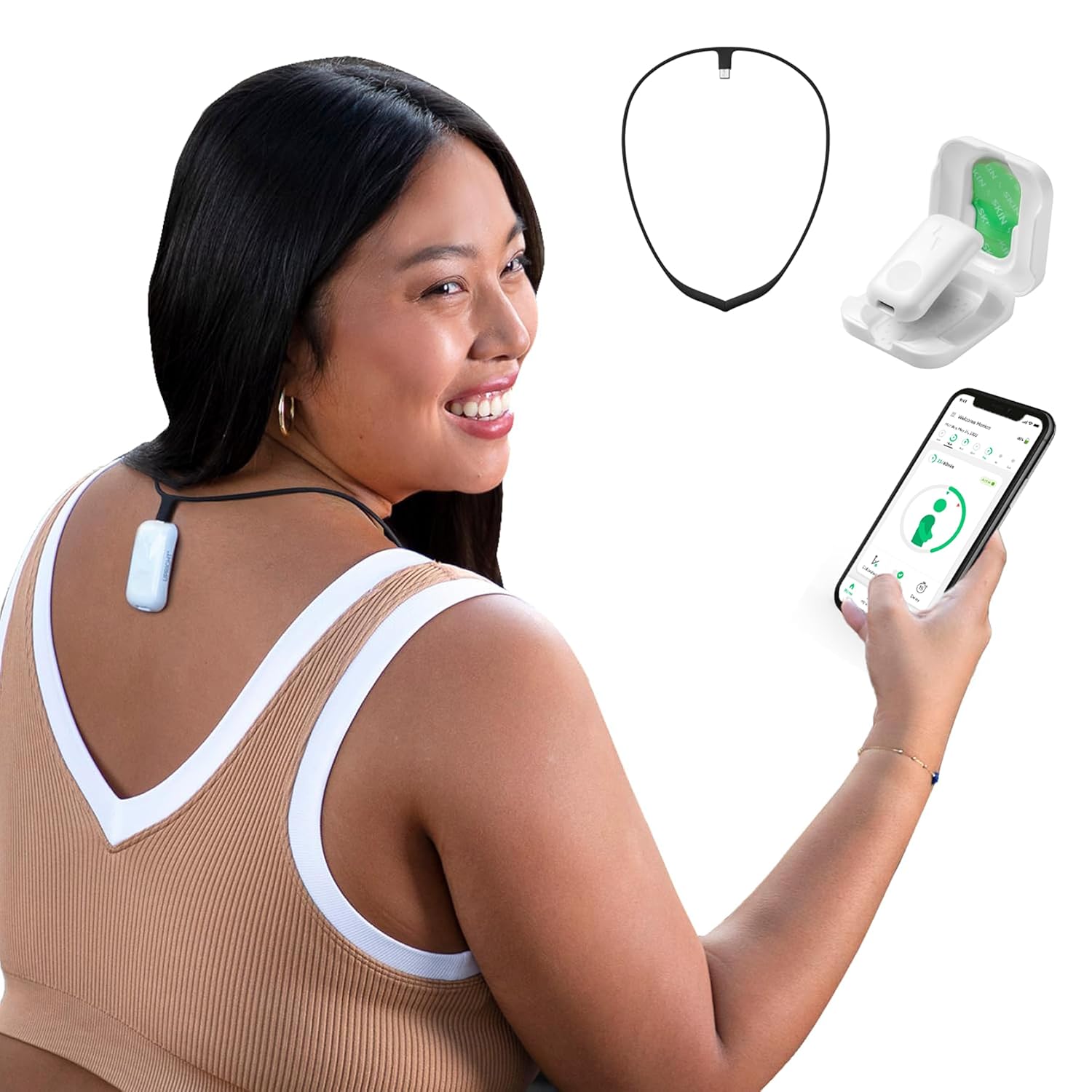
Upright Bundle: GO 2 Premium Posture Trainer & Black Magnetic Necklace
Buzzes when you slouch, builds awareness, actually wearable under clothes
Visit on Amazon →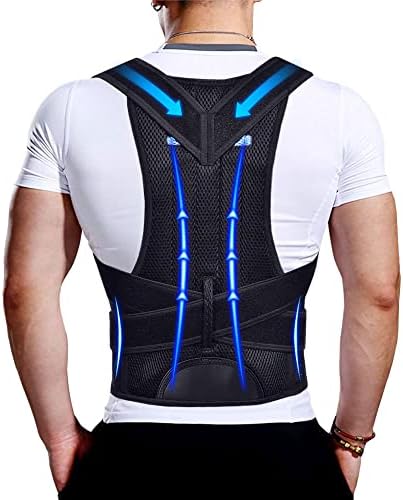
Upgraded Posture Corrector Back Brace for Men and Women, New Version Lumbar Support for Posture Improving and Pain Relief, Full Back Support for Neck, Shoulder, Waist Pain, L
Why would I wear a back brace? Prolonged periods of sitting, a sedentary lifestyle, and various work activities can result in back pain and bad posture. Our back brace posture corrector aligns your ba
Visit on Amazon → Visit on Amazon →
Exercise (no product) | Check price | Fixes the root cause, builds muscle endurance, no zipper to break | Requires consistency, no instant feedback, takes 6+ weeks |## Pros and Cons of the Posture Corrector Approach
Pros:
- Immediate tactile feedback. You feel when you slouch, which is more than most people get from their own body awareness.
- Cheap entry point. ~$20 to ~$80 beats a physio copay for most people.
- Works as a Pavlovian training aid if you use it for short sessions with a plan.
Cons:
- The "bra for your shoulders" problem. It does the work your muscles need to learn. My PT colleagues and I have a running joke about it, but the joke has a clinical basis.
- Zippers give up. Every single one eventually. The ComfiLife I tested had a zipper that started catching by week two.
- People wear them 8 hours a day and expect magic. That's not how muscle adaptation works.
Compared to: The Upright Go vs the ComfiLife Brace
The Upright Go sits at ~$79.99 and buzzes when you slouch. The ComfiLife runs about ~$23.99 and physically pulls your shoulders back. They're fundamentally different tools. The Upright Go is a biofeedback device that trains awareness. The ComfiLife is a mechanical reminder that forces the position whether your muscles are ready or not.
I wore the Upright Go for a month before the app clunkiness got to me. It works. It genuinely does. You stick the sensor on your upper back, it calibrates to your neutral posture, and it buzzes when you drift. The buzz is subtle enough that you don't jump, but annoying enough that you fix it. That's the magic. It's not doing the work for you. It's telling you when you're doing the work wrong.
The ComfiLife, on the other hand, physically holds you in a position. That's the crutch problem. Your muscles aren't learning to hold you up. They're learning that the brace will do it. When you take it off, you slump right back. I've seen this pattern in patients for a decade.
The Awareness Problem
Here's what the research actually says. A 2015 study in the Journal of Physical Therapy Science looked at posture correctors and found they improve awareness of positioning, but the effects don't transfer to muscle endurance.
Another study in the Journal of Back and Musculoskeletal Rehabilitation found that combining a posture trainer with exercise produced better short-term results than exercise alone, but the gap closed by the 12-week mark.
That tracks with what I see in my clinic. Patients who use a corrector as a supplement to exercise do better than patients who exercise alone. Patients who use a corrector instead of exercise? They're back in my office three months later with the same posture, plus a ~$25 brace that's now in their drawer.
The Upright Go is the exception to some of this. Because it's a sensor, not a brace, it doesn't create the passive dependence problem. It's still a crutch in the sense that it does the monitoring your brain should learn to do, but it's closer to training wheels than a wheelchair.
The Habit Math
Here's the cost-per-day reality. The Upright Go costs ~$79.99. If you wear it for a month and build the awareness habit, that's ~$2.66 per day. Not bad. But if you stop after a week like most people, that's ~$11.42 per day for a buzz on your back. I've seen the return rates. I've seen the drawer graveyard.
The ComfiLife is ~$23.99. Even if you use it for a week and quit, you're out less than a pizza. The cost of failure is lower, which means the psychological barrier to trying it is lower. That has value.
The Exercise Alternative
Here's what I actually prescribe. Chin tucks, wall angels, and prone Y-T-W exercises. Three times a week, two sets of ten. That's the protocol. It takes six weeks to see measurable change in muscle endurance. It takes three months to see postural change you can see in a mirror.
The research on this is solid. A 2018 systematic review in the Journal of Exercise Rehabilitation found that exercise interventions for forward head posture and rounded shoulders produced significant improvements in craniovertebral angle after 8 weeks. That's the number. Eight weeks of consistent exercise beats a month of brace wearing.
But here's the problem. Exercise requires you to remember to do it. It requires discipline. It requires you to feel like you're not doing anything because posture exercises are boring as hell. I've prescribed the same exercises to dozens of patients and watched most of them fade out by week three.
That's where the corrector has a role. It's not a replacement for exercise. It's a bridge. It keeps you aware of your posture during the hours when you're not doing exercises, which is 99% of your waking day.
Durability and Build Quality
The ComfiLife smells like a chemical factory when it arrives. I'm not exaggerating. I left mine in the garage for three days before I could bring it inside. The smell fades after about a week, but it's a bad first impression.
The zipper on the ComfiLife started catching by week two. Not breaking, but catching. I've seen this pattern across the entire posture corrector category. The Upright Go doesn't have this problem because it has no zipper. It's a sensor with an adhesive patch, and the patches are consumable. You'll buy replacement patches, which adds to the cost over time.
The Upright Go's battery lasts about 2 days with regular use. That's fine if you remember to charge it, but it's another device in your life that needs charging. I've got enough devices that need charging. My massage gun, my phone, my earbuds, and now my posture sensor. At some point, the charging burden becomes its own form of stress.
Should You Buy a Posture Corrector?
If you're going to use it as a reminder tool while you do the exercises, yes. Buy the Upright Go, wear it for a month, and do your chin tucks and wall angels three times a week. The combination is better than either approach alone.
If you're going to strap on a brace and expect it to fix your posture while you keep sitting like a shrimp at your desk, don't bother. You're spending ~$24 to ~$80 to delay the work your muscles need to do. That's not a tool. That's a crutch.
I've seen the research. I've seen the patients. The ones who fix their posture are the ones who treat it like a training problem, not a gear problem. The corrector is a training aid. It's not the training.
What I'm Testing Next
I've got a new wave of "smart" posture devices on my desk, including one that claims to use AI to detect your posture patterns over time. I'm skeptical, but I'm testing it. Three months minimum before I tell you if it's worth your money.
Also, my lab Ziggy has claimed the ComfiLife as a nap spot, which is honestly the best use I've found for it. It's softer than the foam roller he usually sleeps on.