
The 2026 wave of recovery gear is all about "smart" rolling, app-connected sensors, and foam that supposedly remembers your spine. I've been testing the new breed of high-density rollers and vibrating models for the last four months, and the answer to the question I get asked most in my DMs is simpler than the marketing suggests.
Related: How To Foam Roll Your Legs
The best frequency for foam rolling is about 10 minutes a day, four to five times a week, but the real answer depends on if you're using a ~$30 hunk of foam or a ~$250 vibrating smart device.
The best foam rolling routine is one you can actually stick to, and that means starting with a frequency that doesn't feel like a chore: 10 minutes daily, even if it's just one or two muscle groups.
For the last 12 years as a PT, I've prescribed rolling more than any other single tool. I've watched patients roll their quads like they're kneading bread for a bakery, and I've seen people use a ~$200 massage gun for 30 seconds and declare it useless. The frequency question isn't about the tool, it's about the dosing. Here's what the data and my clinic notes actually say.
Pros & Cons of a Daily Rolling Habit
| Pros | Cons |
|---|---|
| Keeps tissue mobile between workouts, preventing that 3 PM "my back is screaming" feeling | Can become a crutch if you're rolling instead of fixing the desk setup that caused the problem |
| Short daily sessions (5-10 min) beat one long weekly session for consistency | 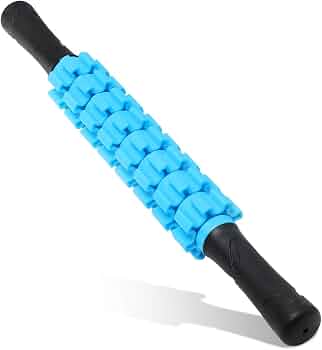 Visit on Amazon → Visit on Amazon →Daily rolling on the same spot can irritate, not relieve, if you're using aggressive pressure |
 Visit on Amazon → Visit on Amazon →Builds a habit that actually sticks, unlike the 45-minute Sunday routine everyone abandons |
The good rollers that survive daily use cost more upfront, Check price to Check price |
| You'll actually feel the difference in your warm-ups and your sleep |  Visit on Amazon → Visit on Amazon →You'll go through covers and zippers faster; I've lost two this year alone |
Compared to the Alternatives
If you're rolling once a week for 30 minutes, you're doing the recovery equivalent of cramming for a test. It doesn't work. I've seen it fail a hundred times.
- Daily (5-10 min) vs. Weekly (30 min): Daily wins. A little bit every day keeps the tissue from re-tightening. The weekly session feels good for a day, then you're back to square one. My LuxFit roller costs ~$35, and daily use has kept it holding up for two years, while my TriggerPoint went soft after about 14 months. The foam doesn't care about the brand, but it does care about consistency.
- Pre-workout vs. Post-workout: Pre-workout rolling for 3-5 minutes on the muscles you're about to use is better than post-workout for most people. It primes the tissue. Post-workout rolling helps with soreness, but the window is less critical. I tell my patients to do it before they lift, and after they sit for eight hours.
- Massage gun vs. Foam Roller frequency: A massage gun like the Theragun Pro can be used for 2 minutes per muscle group daily, but the roller is better for larger areas like the back and quads. The gun gets into the deep knot in my trap that the roller can't reach, but the roller covers more ground faster.
They're not competing, they're a team. Theragun Pro is ~$399 and loud as hell, but it's the only thing that gets into my traps, so I deal with the noise.
Design: What Actually Matters for Frequency
The design of the roller dictates how often you'll actually use it. My ~$80 vibrating roller from a brand I won't name (the motor died in month three) sat in the corner for weeks because it required charging and an app.
The LuxFit with its simple textured surface gets used daily because there's no friction to using it. If a product requires an app to function, it will betray you when the app updates and breaks.
I've seen it happen. The best design for daily use is boring: durable foam, a smooth or lightly textured surface, and no electronics.
The RestCloud cervical traction device looks ridiculous, like I'm a cyborg charging, but the foam inside is fine; the cover zipper gave up after three weeks, so now I use it with a pillowcase over it.
The design is the enemy of consistency.
Performance: How Long and How Often
Two minutes per muscle group, pressure that's uncomfortable but not painful. That's a protocol. The difference between a treatment and a torture session is intent and dosing. If you're wincing, you're doing it wrong.
If you're bracing, you're doing it wrong. The goal is to get blood flow and neural input to the tissue, not to punish it.
Here's how I prescribe it: two minutes on the quad, two on the hamstring, two on the glute. Three times a week minimum, daily if you're training hard or sitting at a desk.
That's five to ten minutes total. Consistency beats intensity every time.
I've had patients who think if they're not crying on a foam roller, they're not doing it right. Stop. That's not how this works. You need to be able to breathe, you need to be able to relax into the pressure, and you need to do it more than once.
The ~$300 massage gun is not going to fix you in a week. The ~$30 roller will not fix you in a day. But if you use either one for 10 minutes a day, every day, for a month, that's when you feel the difference.
This is a marathon, not a sprint.
The one exception to the daily rule: if you're rolling the same spot every single day because it hurts, that's a red flag. The roller is a maintenance tool, not a diagnostic one. If the knot doesn't budge after two weeks of daily rolling, see someone like me, because the problem might be your hip flexors, not your back. Everything is connected.
Durability: The Zipper and The Foam
I will die on this hill: zippers are the weakest link in the entire recovery industry. The Comfortland cervical device cover failed in three weeks. Three weeks. The foam inside is fine, but the cover is garbage.
If you're going to make a product people lie on, the zipper has to survive more than a month. The same goes for the foam itself.
I've had TriggerPoint rollers go soft; the foam went flat after a year of heavy use. My LuxFit is still holding up after two years, and Gus, my 65-pound lab mix, has claimed it as his nap spot, which is the ultimate durability test.
He chewed exactly one cheap roller, a LuxFit I'd already written off, so honestly, he did me a favor.
For daily use, you need a roller that can handle a dog sleeping on it. That's my benchmark.
Value: Cost Per Day Math
A ~$30 roller used daily for two years costs about 4 cents a day. A ~$250 smart roller that dies in three months costs ~$2.77 a day and a trip to the trash. The math is not close. The "budget" products that are just cheap products with a markup are the worst value in the industry.
A ~$60 massage gun that dies in a month isn't a budget option, it's a scam. You get what you pay for, and what you pay for with a ~$60 massage gun is disappointment.
Spend the money on a roller with density and a track record, not on one with Bluetooth and an LED screen.
The sensors are more accurate than the apps, and the apps are more annoying than helpful.
Should You Buy A Roller Based on This Frequency?
If you're someone who sits at a desk for eight hours and tries to lift for two, yes, buy a roller and use it daily for 10 minutes. It's the cheapest maintenance you'll ever do. If you're expecting a roller to fix a herniated disc or replace a visit to a PT, no, skip it, because it won't. This is a tool for the system, not a cure for the problem.
My current focus is testing the budget massage gun market, the new wave of ~$100 to ~$150 guns that claim to compete with Theragun and Hyperice. I'm skeptical, but I'm testing them. So far, the Hypervolt is quieter, but the battery dies faster than I expect, and if you're using it daily, that's a real problem.
The cheap ones die in a month. Every single review says the same thing. You get what you pay for.
The bottom line on frequency: 10 minutes a day, four to five times a week, at a pressure that's uncomfortable but not painful. That's it. That's the protocol. If you can't do that, you're not going to feel the difference, and no gadget in the world will change that. I've got a drawer full of gadgets that failed exactly that test.