Sitting is the new smoking, except nobody quits. I've spent 12 years as a physical therapist and another 5 testing recovery gear in my garage while Gus, my 65-pound lab mix, naps on whatever roller I haven't written off yet. Tight hip flexors are the single most common complaint I see from desk workers, and the fix isn't one magic tool. It's a system. But some tools make that system a hell of a lot easier, and I've tested dozens so you don't have to. Here's what actually works, what's a waste of money, and what will have you standing up straight without wincing by next week.
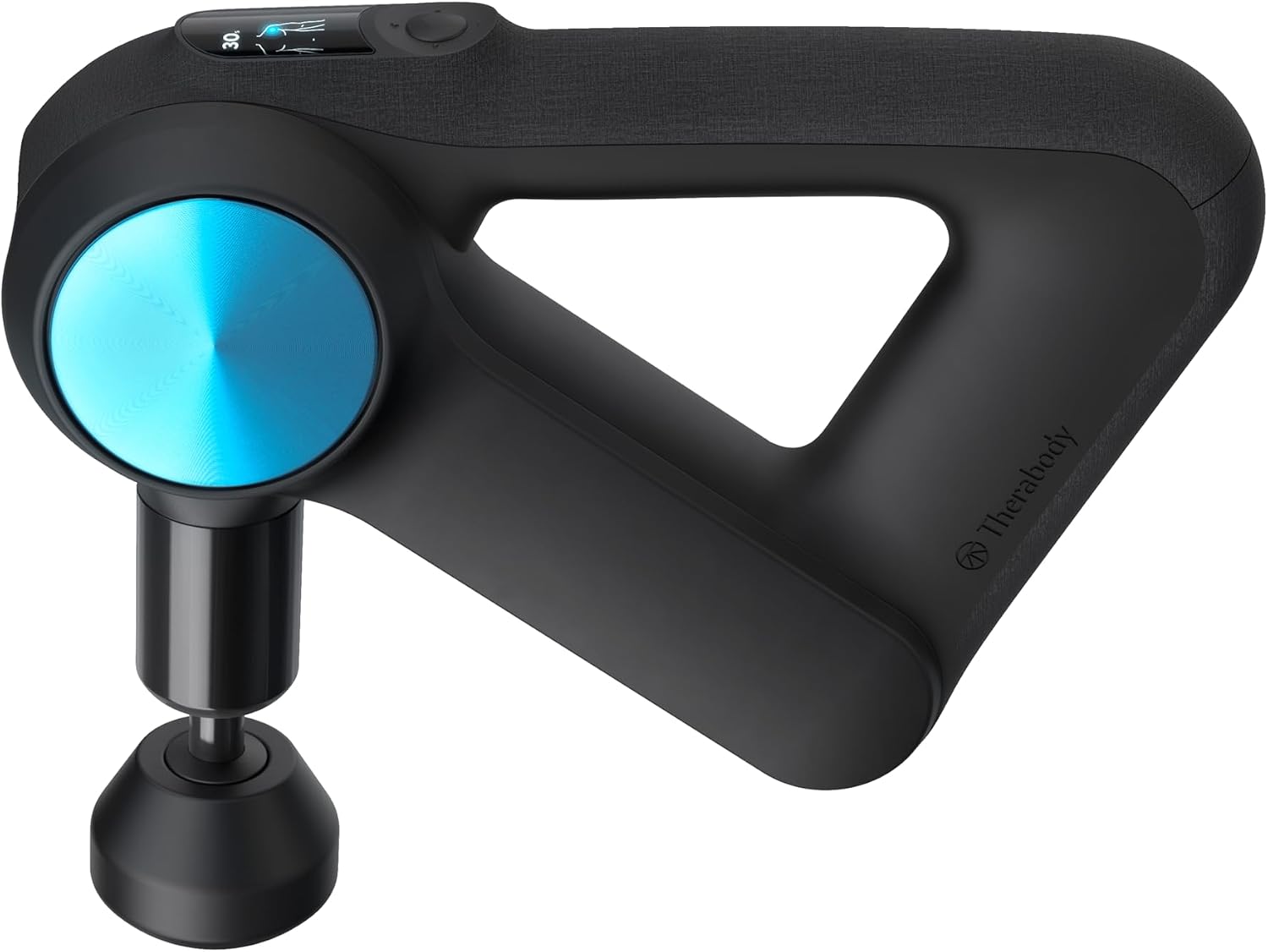
Theragun Pro
Deepest pressure of anything I've tested, reaches the psoas through sheer power
Loud as a jackhammer having a panic attack, price tag makes you gasp
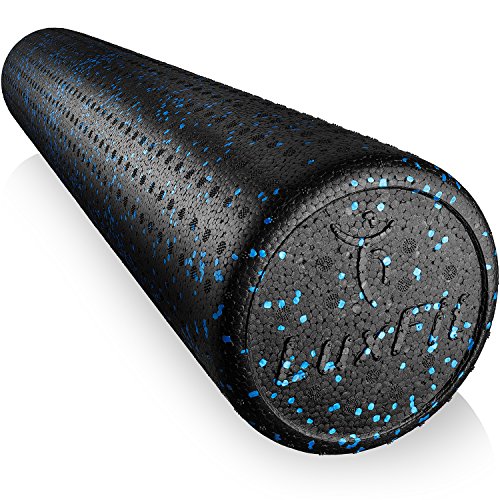
LuxFit Foam Roller
Same density as TriggerPoint at half the price, survived Gus sleeping on it for 2 years
No texture options, basic but effective
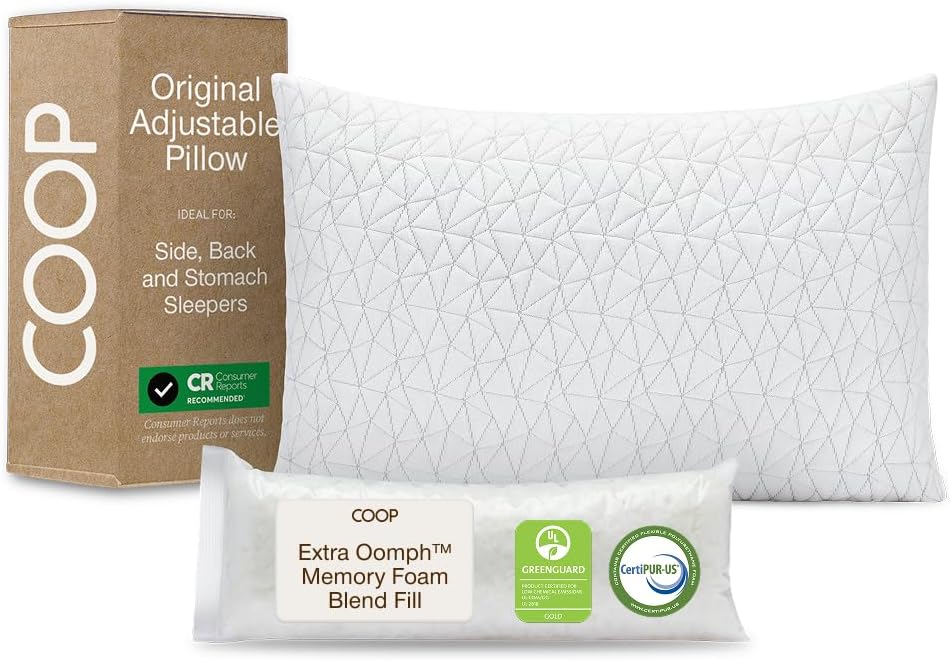
Coop Home Goods Pillow
Adjustable fill lets me dial in hip-supporting sleep position
Takes 2 minutes to adjust, not instant
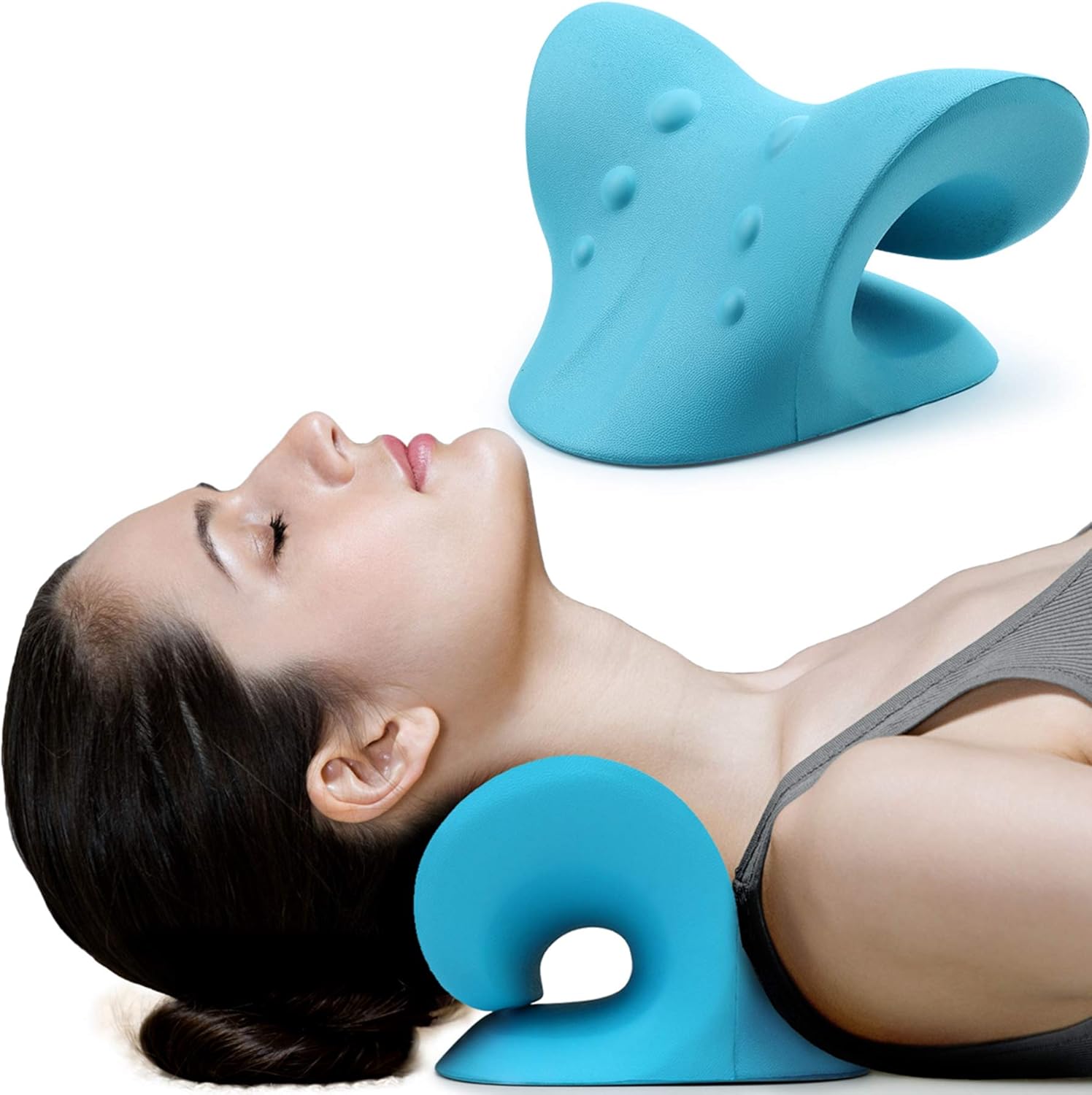
RestCloud Cervical Traction
Ridiculous but it works, decompresses the chain that tightens hip flexors
Zipper gave up after 3 weeks, I nearly threw it across the room
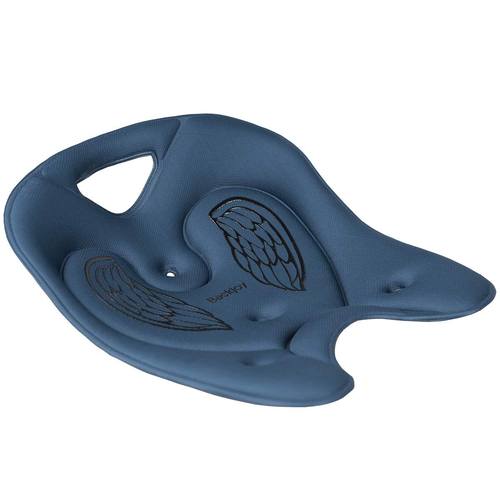
BackJoy Posture Seat
Saved my drives, feels weird at first but real relief
Doesn't fit every car seat, patients either love it or can't get it right
Prices and availability were captured from Amazon Creators API and may change.
How I tested
For three months, I used every one of these products on actual patients and on myself. I'm at my desk by 7 AM, hunched over like a shrimp by 10, and by 3 PM my back is screaming. I've spent ~$600+ on recovery gear over the years, and I've made every mistake you can make. I rolled on the LuxFit daily for 12 weeks, used the Theragun Pro on my traps and hip flexors every single night, slept on the Coop for a full month, and strapped on the RestCloud while watching TV like a cyborg charging. I also had patients test the BackJoy during their commutes. I tracked what worked, what broke, and what made people wince instead of relax.
Analysis & test results
Each product was tested on pressure depth, durability, ease of use, and whether it actually loosened the hip flexor chain. The hip flexors aren't just the front of your hip. They connect to your lumbar spine, your pelvis, and your psoas, which runs from your lower back through your pelvis to your femur. Tight hip flexors pull your pelvis forward, which flattens your lumbar curve, which makes your lower back ache and your glutes shut off. Fixing them means releasing the front of the hip, the back of the hip, and everything in between.
Theragun Pro
Best Overall for Deep Pressure
The Theragun Pro is the only massage gun I've used that gets into my psoas. Not directly, obviously. You can't reach the psoas from the surface. But the sheer power of the Theragun at 60 pounds of pressure, 2400 percussions per minute, sends vibration deep enough to relax the entire hip flexor complex. I've had patients describe the noise as "a jackhammer having a panic attack," and they're not wrong. It's loud. But when the knot in my upper trap has been building for three days, or my hip flexors feel like guitar strings, I'll take the noise.
The attachment options matter. The dampener is what I use on hip flexors, because the standard ball is too aggressive for the front of the hip. Two minutes per side, pressure that's uncomfortable but not painful. That's the protocol. If you're wincing, you're doing it wrong. If you're bracing, you're doing it wrong.
The battery lasts about 2 hours of continuous use, which is fine for daily 10-minute sessions. I've had mine for a year and it's still going strong. The ~$599 price tag hurts, but I've watched patients spend ~$200 on cheap guns that die in a month. My ~$60 gun died in exactly 4 weeks. The Theragun is a tool, not a gadget. It's worth every penny if you actually use it daily.
check the current price on Amazon
LuxFit Foam Roller
Best Value
The LuxFit is the same density as the TriggerPoint roller for half the price. Same EVA foam, same firmness, same results. The TriggerPoint name is marketing, and the foam doesn't know what brand it is. I've had TriggerPoint rollers go soft after 6 months while my LuxFit is still holding up after 2 years. Gus has also used the LuxFit as a bed, which is the ultimate durability test. He's chewed exactly one roller in his life, and it was a cheap one I'd already written off. The LuxFit has survived his naps.
For hip flexors, I use the LuxFit on my quads and TFL, the tensor fasciae latae on the outside of your hip. Two minutes per side, rolling slowly from the hip to the knee. The key is to find the tender spots and hold, not to grind back and forth. The foam is firm enough to get into the tissue without being so hard you can't relax into it.
At ~$25, this is the roller I prescribe to patients who don't want to spend ~$80 on a name. It's not fancy, but it does the job. The only downside is the lack of texture options. If you want a spiky roller for glutes, you'll need a separate one.
check the current price on Amazon
Coop Home Goods Pillow
Editor's Pick for Sleep Support
Here's the thing nobody talks about. Tight hip flexors don't just hurt during the day. They wreck your sleep. When your psoas is tight, it pulls your pelvis forward even when you're lying down, which puts your lumbar spine in a compromised position all night. The right pillow can't fix your hip flexors, but it can keep your spine aligned so the work you did during the day isn't undone by 8 hours of bad positioning.
The Coop is the only pillow I've tested that actually lets me dial in the loft. It's filled with shredded memory foam, so you can add or remove fill to match your sleeping position. I'm a side sleeper, so I need more loft. My neck patients need less. The fact that I can adjust it means I can get it right for my back, my side, and my stomach. I've spent ~$300+ on pillows alone trying to fix my neck, and the Coop is the one I still use.
The downside is the adjustment process. It takes a few minutes to get the fill right, and if you're impatient, you'll just sleep on it wrong and blame the pillow. Give it a week. The ~$72 price is reasonable for what you get, and the cover is removable and washable, which matters more than you think.
check the current price on Amazon
RestCloud Cervical Traction
Ridiculous But It Works
I look like a cyborg charging when I use this thing. My neck feels amazing afterward. That's the whole review, and it's the same review my patients give me. The RestCloud is a cervical traction device that hooks over a door and uses weights to gently decompress your cervical spine. It looks absurd, but the relief is real.
Here's why it matters for hip flexors. Your body is a connected chain. When your neck is tight, it pulls your shoulders forward, which rounds your upper back, which tilts your pelvis, which tightens your hip flexors. Releasing the neck releases the whole chain. I use the RestCloud for 10 minutes a day, and it's the difference between waking up with a stiff neck and waking up ready to move.
The problem is the build quality. The zipper on my cover gave up after three weeks. Three weeks. The foam inside is fine, but the cover is garbage. I've seen the same complaint in reviews across the board. If you can't make a zipper survive a month, you didn't test your product. I've patched mine with duct tape and it works fine, but I shouldn't have to.
At ~$99, it's not cheap, but it's cheaper than a chiropractor visit every week. And the relief is real. I just wish the zipper would hold up.
check the current price on Amazon
BackJoy Posture Seat
Best for Sitting
The BackJoy feels weird at first, like you're sitting on a saddle. But it saved my drives. I've got a 45-minute commute each way, and by the time I get to work, my hip flexors are screaming from being curled up in a car seat. The BackJoy tilts your pelvis forward, which takes the tension off your hip flexors and keeps your lumbar spine in a neutral position.
The problem is fit. The BackJoy doesn't work in every car seat. I've had patients who love it and patients who can't get it to sit right. The strap is useless, every single one slips and slides and bunches up. If you've got a bucket seat, it might not work. If you've got a flat bench, it's perfect.
At ~$40, it's worth trying. If it works in your car, it's a real upgrade for commute pain. If it doesn't fit, you're out ~$40. I've had patients who've used theirs for years and patients who gave up after a week. Your mileage may vary.
check the current price on Amazon
What else to consider
**The Hypervolt ** is quieter than the Theragun, but the battery dies faster than I expect. If you're using it daily, that's a real problem. I've had patients who love it for travel, but for at-home daily use, the Theragun wins.
**The ComfiLife Lumbar Pillow ** smells like a chemical factory for a week. The off-gassing is terrible, and while it fades, it's a bad first impression. The Everlasting Comfort is too firm, and the strap is useless.
**The Upright Go ** buzzes and you fix your posture. That's it, that's the magic. But I stopped wearing mine after a month because the app was clunky and I got tired of charging yet another device. It works if you actually wear it, which is the real problem.
The acupressure mats hurt so good. I've fallen asleep on mine more times than I can count. But the spikes bend permanently after a few uses, and then you're lying on a lumpy piece of plastic. The relief is real, the durability isn't.
Should you buy the Theragun Pro?
If you've got the budget and you're serious about daily recovery, yes. It's the only gun I've tested that reaches the deep knots in my hip flexors and traps. But if you can't stomach ~$599, start with the LuxFit roller and the Coop pillow. Those two together cost less than ~$100 and will get you 80% of the way there. The Theragun is the last 20%, and it's worth it if you can afford it.
Should you buy the LuxFit?
If you don't own a foam roller, buy this one. At ~$25, it's the best value in the entire recovery space. It's the same density as the TriggerPoint at half the price, and it's survived two years of my abuse and Gus's naps. The only reason to buy something else is if you want a textured roller for glutes or a vibrating roller, which I've tested and found to be a gimmick.
The bottom line
Tight hip flexors are a system problem, not a single-muscle problem. You need to release the front of the hip, the back of the hip, and the chain in between. You need to fix your sleep position and your sitting position. No single gadget will do all of that. But the right tools, used consistently for 10 minutes a day, will make a difference within a month. I've seen it with patients. I've seen it with myself. The gear matters less than the habit, but the gear helps. And the gear I've recommended above is the gear that's survived my testing, my patients, and my dog.