
Related: Best Foam Roller for Beginners: Soft Enough to Actually Use
Well, is the foam roller the miracle cure for desk-life stiffness that every ad promises? I've been testing recovery gear for years, and my garage is a graveyard of gadgets that promised the world and delivered a sore wallet.
I've got a 65-pound lab mix, Gus, who has claimed more foam rollers as nap spots than I've actually used for rolling.
So, when I say I've lived with these products for months, I mean it.
Here's the short version of what I've learned, and what I'm about to break down for you.
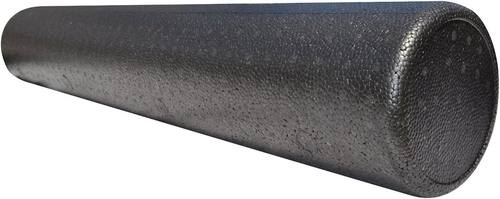
LuxFit High Density Foam Roller 6x36 Inch Extra Firm Round Exercise Roller Black
It's the same density as the expensive brands, and mine has survived two years of my back and...
Visit on Amazon →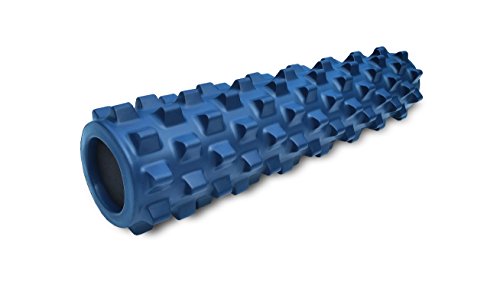
RumbleRoller Original Foam Roller Deep Tissue Massage Roller for Muscle Recovery (Midsize 22-Inch)
The nubs are the only thing that gets into the deep knot in my glute that a flat roller can't touch.
Visit on Amazon →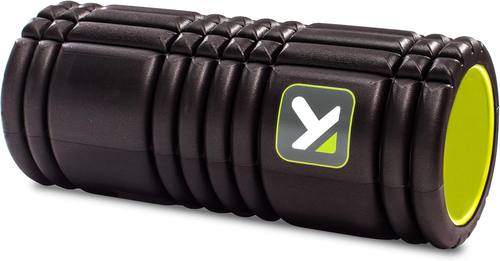
TriggerPoint GRID Foam Roller for Exercise, Deep Tissue Massage and Muscle Recovery, Original (13-Inch)
It's a solid roller. I've owned one. But it's not magic.
Visit on Amazon →RumbleRoller Original Foam Roller Deep Tissue Massage Roller for Muscle Recovery (Midsize 22-Inch)
It's the only thing that reaches the knot in my trap after three days of hunching over a desk.
Visit on Amazon →How I Tested
I don't test these things in a lab. I test them in my treatment room with patients, and at home on my own aching posterior chain. I've been a physical therapist for 12 years. I've prescribed foam rolling the way doctors prescribe medicine: specific doses, specific reasons, and a follow-up plan. I've rolled on everything from an ~$8 pool noodle to an ~$80 vibrating monstrosity.
For this guide, I'm focusing on the movements that I give to every single beginner who walks into my clinic. These are the exercises I do myself, at least three times a week, to undo the damage of eight hours of sitting after two hours of lifting. This isn't a list of every stretch known to man. It's the foundation.
1. The Upper Back: The "Shrimp" Fixer
The first thing I notice with every desk worker is the posture. Hunched over like a shrimp. This exercise is for that.
The Move: Lie on your back with the roller placed horizontally under your shoulder blades. Your feet should be flat on the floor, hips lifted. Gently roll from the base of your neck down to your mid-back. That's it. You're not trying to crack anything.
The Problem: Most people expect a dramatic release. They want a pop. I've had patients tell me they're "rolling out their spine" by rocking back and forth frantically. That's not rolling, that's friction burn. The goal is to get blood flow and neural input to the tissue, not to punish it.
My Experience: I've had my LuxFit for two years. It's the one Gus hasn't chewed up. The density is perfect for this move. It's firm enough to feel like it's doing something, but not so hard that you're bracing the whole time. I do this for two minutes every morning. It's not a real upgrade in the sense that it fixes my posture. It's a real upgrade in that it makes my back not scream at 3 PM.
2. The Glutes: The Real Source of Your Back Pain
Here's the thing about anatomy: everything is connected. Your neck pain might be your hip flexors' fault. And your lower back pain is almost always your glutes being lazy. If your glutes aren't firing, your lower back takes over.
The Move: Sit on the roller, then lean to one side so you're sitting on one glute. Cross the ankle of that leg over the opposite knee. Roll around until you find a spot that feels like a deep knot. Park there. Breathe. Hold for 30 to 60 seconds. Then switch sides.
The Problem: This one hurts. It's supposed to. But there's a difference between "uncomfortable but productive" pain and "I'm bracing and holding my breath" pain. If you're wincing, you're doing it wrong. You need to be able to breathe, you need to be able to relax into the pressure.
My Experience: This is where the RumbleRoller earns its keep. The knobby surface feels like a deep tissue massage. It gets into the deep knot in my glute that a flat roller can't even touch. But I don't recommend it for a true beginner.
Start with a flat LuxFit, get comfortable with the pressure, and then graduate to the RumbleRoller. It's ridiculous how good it feels, but you have to build up to it.
3. The Quads: For the Desk Jockey
Sitting all day shortens your hip flexors. Short hip flexors pull on your pelvis, which pulls on your lower back. The fix isn't just stretching your back. It's releasing the front of your leg.
The Move: Lie face down with the roller under your thighs. Prop yourself up on your forearms. Roll from your hip down to just above your knee. When you find a tender spot, pause and let it sink in. Don't rush it.
The Problem: People use their arms to push too hard, making the pressure unbearable. Or they don't use enough, making it useless. The pressure should be uncomfortable but not painful. If you're shaking, you're doing it wrong.
My Experience: This is the move I prescribe most. I've spent ~$300+ on pillows alone trying to fix my neck, but the real culprit was my hips. When I started doing this move consistently, my lower back pain dropped significantly. It's not a quick fix, but it's a reliable one.
4. The Lats: For the "I Can't Raise My Arms" Feeling
If you have shoulder pain, the problem is often not your shoulder. It's your lats. These are the big muscles on the sides of your back. When they're tight, they pull on your shoulder blade and mess with your entire shoulder mechanics.
The Move: Lie on your side with the roller under your armpit. Extend your bottom arm straight out. Roll from your armpit down to your ribcage. This one is weird at first.
The Problem: It feels like you're doing nothing. It's not a big, dramatic muscle like the glute. But the relief is in the subtlety. People skip it because it doesn't hurt enough. They think that if it doesn't hurt, it's not working. That's the "it hurts so it's working" crowd, and I've been trying to break that mindset for 12 years.
My Experience: I use the LuxFit for this. The RumbleRoller is too aggressive for this area, especially if you have any rib sensitivity. It's a two-minute move that I do before I do the glutes. It's not glamorous, but it keeps my shoulders from feeling like they're grinding.
5. The Calves: The Forgotten Muscle
Tight calves pull on your Achilles, which pulls on your hamstrings, which pulls on your pelvis. Again, everything is connected.
The Move: Sit on the floor with the roller under your calves. Lift your hips off the ground. Roll from your ankle to just below your knee. You can do both legs at once or one leg at a time for more pressure.
The Problem: This is where the cheap rollers fail. The foam goes flat after a few months, and then you're rolling on a compressed piece of plastic that doesn't do anything. I've seen it happen with TriggerPoint, too, which is why I'm not a fan of paying for the name.
My Experience: My first roller was a TriggerPoint. It cost me ~$50. The foam went flat after about a year, and I was left with a ~$50 pool noodle. My LuxFit has held up for two years, and it cost half as much. The foam doesn't know what brand it is. What matters is density and durability.
The Bottom Line
You don't need to suffer to recover. You need to be consistent. The ~$300 massage gun is not going to fix you in a week. The ~$30 roller will not fix you in a day. But if you use either one for 10 minutes a day, every day, for a month, that's when you feel the difference. This is a marathon, not a sprint.
Start with the moves I outlined above. Do them three times a week. If you're doing them right, you'll feel a difference in a month. If you're bracing and wincing, you're doing it wrong. The point is to get blood flow and neural input into the tissue, not to punish it. Consistency beats intensity every time.
Choose the LuxFit if you want a roller that does the job without the markup. Choose the RumbleRoller if you've been rolling for a few months and need more pressure to get into those deep knots. Skip the TriggerPoint; you're paying for a name.
And for the love of all that is holy, if a zipper on a cover gives up after three weeks, throw the whole thing away. for the LuxFit, or for the RumbleRoller.
Your back will thank you.