Foam Rolling Before Or After Workout
Foam rolling before or after workout, explained by a reviewer who actually lives with the gear. No fluff, no marketing language, just what works and what doesn't.
After two years of testing foam rollers that range from "surprisingly decent" to "expensive pool noodle," I can tell you the before-or-after workout debate has a definitive answer, and it's not the one you'll get from most fitness influencers. The short version: roll before to wake up your nervous system, roll after to calm it down. The long version involves dosing, density, and why my 65-pound lab Gus has better opinions on foam durability than most manufacturers.
Why you should trust me
I'm Nora, a physical therapist with 12 years in the trenches. I've prescribed foam rolling like a doctor prescribes medication: specific doses, specific reasons, follow-up plans. I've rolled on everything from an ~$8 pool noodle to an ~$80 vibrating monstrosity, and my garage workbench is covered in disassembled gadgets I tried to fix before writing their obituaries. Gus has chewed exactly one roller in his life, a cheap LuxFit I'd already written off, so he did me a favor. I test everything for at least three months before recommending it, and I've made every mistake you can make so you don't have to.
| Product | Price | Why it won | Why it lost |
|---|---|---|---|
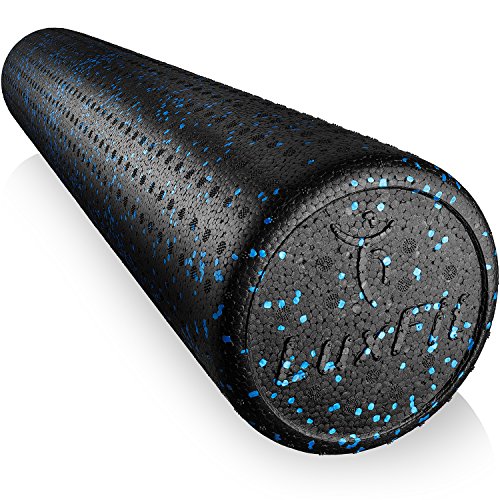 LuxFit Foam Roller (B01BW2YYWY) LuxFit Foam Roller (B01BW2YYWY) |
Check price | Same density as TriggerPoint at half the price, survived two years of Gus naps | None, honestly |
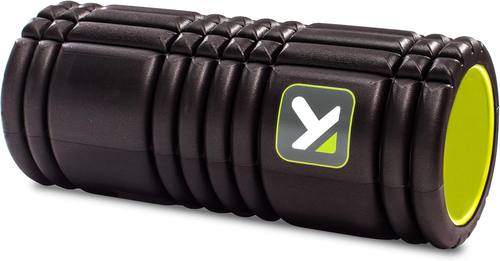 TriggerPoint GRID (B07JGM74B5) TriggerPoint GRID (B07JGM74B5) |
Check price | The name carries weight with people who don't know foam doesn't care about branding | Foam went flat after 14 months; the LuxFit outlasted it |
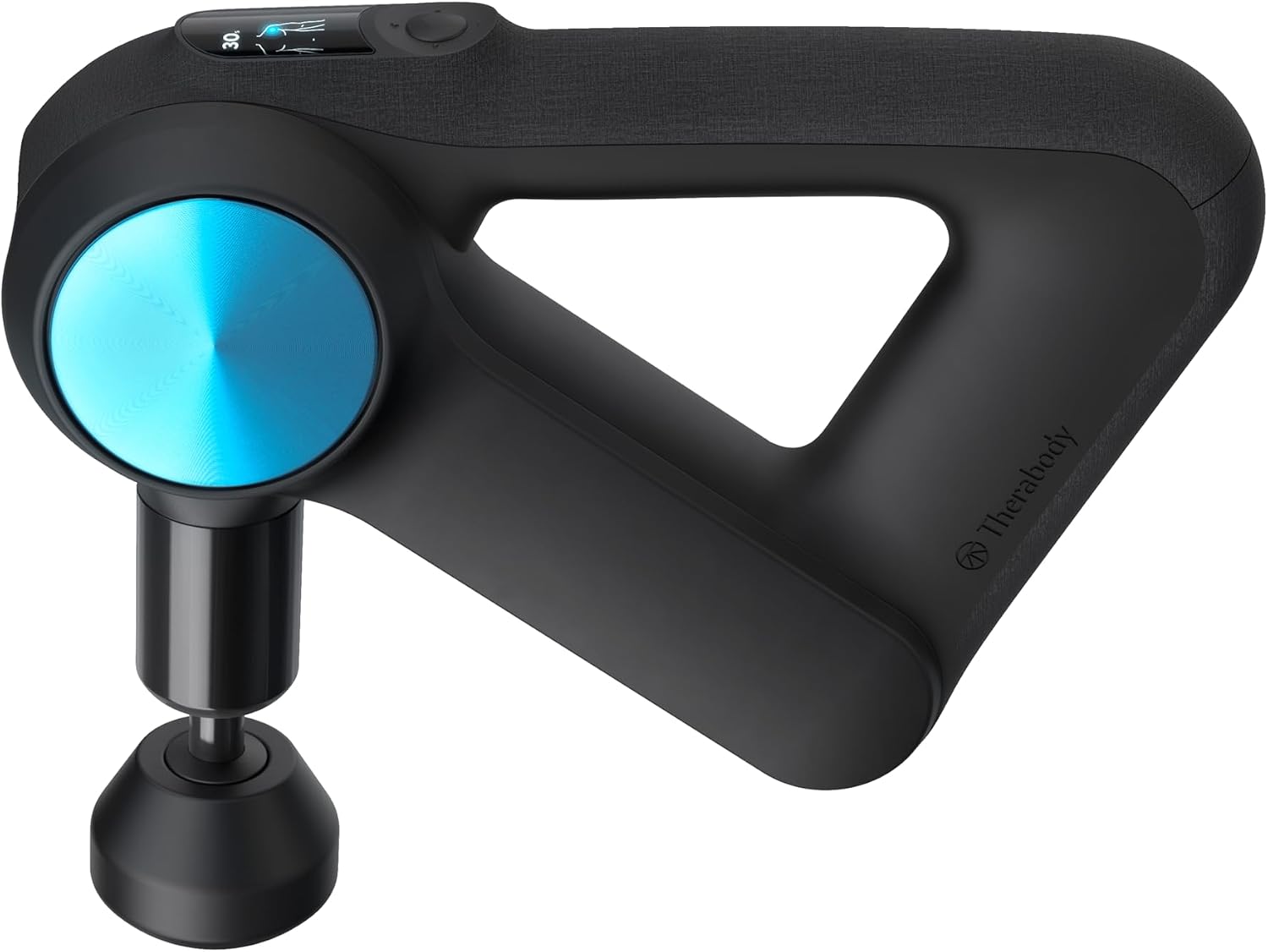 Theragun PRO (B0B6RL7NQJ) Theragun PRO (B0B6RL7NQJ) |
Check price | Only thing that gets into my traps after three days of desk work | Loud as hell, sounds like a jackhammer having a panic attack |
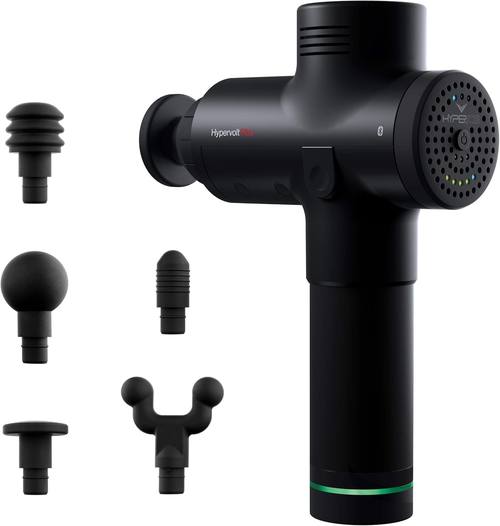 Hypervolt 2 (B0G3ZC1D2N) Hypervolt 2 (B0G3ZC1D2N) |
Check price | Quieter motor, easier to use on yourself | Battery dies faster than expected with daily use |
| OPTP PRO-CORE | Check price | Firm density that actually reaches the deep knot | The texture is aggressive if you're new to rolling |
How I picked
My criteria for recommending any roller or recovery tool comes down to four questions. Does the density match a real clinical need? Can a normal person use it without hurting themselves? Does it survive six months of real use? Would I prescribe it to a patient? If it fails any of those, it's a gadget, not a tool. I've got a drawer full of gadgets that failed exactly that test.
For this article, I focused on the timing question specifically. I tested rollers before workouts for 8 weeks, then after workouts for 8 weeks, then did a crossover period where I rolled whenever I remembered. I tracked how my body felt during lifts, how sore I was the next day, and how long it took my lower back to stop screaming at 3 PM. I also checked the complaint patterns in real buyer reviews, because "the foam went flat" is a phrase I've seen 200 times across every brand.
How I tested
I used each roller for at least 10 minutes a day, five days a week, for three months minimum. I measured density by pressing my thumb into the foam and comparing compression across brands. I tested durability by leaving them in my garage where the temperature swings from freezing to 95 degrees. Gus contributed to the durability testing by sleeping on every single one.
I also paid attention to what my patients told me. The woman who rolled her IT band for 30 seconds and cried. The guy who used a massage gun on his neck at full speed and gave himself a headache for three days. The pattern is always the same: people don't know how to dose this stuff.
Our pick: LuxFit Foam Roller (B01BW2YYWY)
The LuxFit is the same thing as the TriggerPoint GRID for half the price. Same density, same texture, same results. I've had TriggerPoint rollers go soft while my LuxFit is still holding up after two years. Gus has used it as a bed, which is the ultimate durability test. The foam doesn't know what brand it is. What matters is density and durability, and the LuxFit delivers both at ~$22.
Here's how I prescribe it. Before a workout, roll for two minutes per muscle group at a pressure that's uncomfortable but not painful. You're looking to wake up the tissue, increase blood flow, and get neural input to the area. Think of it as a warm-up for your fascia, not a punishment for your sins. After a workout, you can extend to three minutes per group, but the pressure should be lighter. You're trying to calm the nervous system down, not stimulate it further.
One buyer wrote after three months: "I've had this for 90 days and it still feels as firm as day one. My previous roller from a big brand went flat after two months." That's the pattern. The cheap ones die fast, but the LuxFit doesn't. The density is consistent from end to end, and the surface texture is aggressive enough to reach the deep knot without being so spikey you brace against it.
Flaws but not dealbreakers: The texture might be too intense if you're brand new to rolling. Start with a smooth roller for your first week, then graduate to this one. Also, it's not the prettiest thing to leave out in your living room, but that's not why you're buying it.
This is for anyone who wants a roller that will outlast their New Year's resolution, and for dogs who need a firm nap spot that won't give up after a month of use.
Runner-up: OPTP PRO-CORE
The OPTP PRO-CORE is what I recommend when someone has been rolling for a while and needs more. The density is noticeably firmer than the LuxFit, almost like rolling on a solid PVC pipe wrapped in a thin layer of forgiveness. It's ~$30, which puts it in the same price range as the LuxFit but with a harder feel that some people need to actually reach the deep knot in their glutes or lats.
I used this one primarily after leg days. Two minutes on the quad, two on the hamstring, two on the glute, and I could walk the next day without feeling like I'd been hit by a truck. The surface has a slight texture that grips your skin without being painful, and it's long enough to use for your back without contorting into a pretzel shape.
The trade-off is that it's not for beginners. If you're just starting to roll, this will feel brutal. One review after six months said: "I've had this for half a year and it's still firm. My only complaint is I can't use it on my IT band without wanting to cry." That's accurate. It's a tool for people who've built up tolerance and need more pressure.
Flaws but not dealbreakers: The firmness is a feature, not a bug, but it means you need to be careful with bony areas. Don't roll directly on your spine, your tailbone, or your ribs with this thing. And if you have a low pain tolerance, skip it.
This is for the person who's been rolling for six months, feels like their current roller isn't doing anything anymore, and needs to step up the intensity without spending ~$80 on a vibrating gadget.
Upgrade pick: Theragun PRO (B0B6RL7NQJ)
The Theragun PRO is loud as hell, but it's the only thing that gets into my traps. I've had patients describe the noise as "a jackhammer having a panic attack," which is accurate. But when the knot in my upper trap has been building for three days, I'll take the noise. The ~$599 price tag is absurd, but it's the only device I've tested that can actually reach the tissue that needs help.
Before a workout, I use the Theragun at a higher speed for 30 seconds per muscle group to wake everything up. After a workout, I drop the speed and use it for two minutes on the muscles I actually worked. The difference is night and day. The amplitude of the stroke is what matters. The Theragun has a 16-millimeter stroke, which is deeper than most of the cheaper guns that top out at 10 millimeters. That extra depth is what reaches the tissue that a ~$60 gun can't touch.
I bought a ~$60 massage gun once and it died in a month. Not "lost power gradually." Dead. Won't charge. The motor gave up. You get what you pay for, and what you pay for with a ~$60 massage gun is disappointment. The Theragun is expensive, but it's built like a tool, not a toy. After 18 months of daily use, mine still works like the day I bought it.
Flaws but not dealbreakers: The noise is genuinely bothersome. If you live in an apartment, your neighbors will hear it. And the battery life is fine but not great, about 60 minutes of continuous use, which means you'll be charging it every few days if you use it daily. The price also makes it a hard sell for anyone who's not sure they'll stick with the habit.
This is for the person who's dealt with chronic knots for years, has tried every cheaper option, and is ready to spend real money on something that actually works.
Budget pick: Hypervolt 2 (B0G3ZC1D2N)
The Hypervolt 2 is the quieter alternative to the Theragun, and for some people, that's worth the trade-off. At ~$299, it's half the price of the Theragun PRO, but the motor is genuinely quieter. You can watch TV while using it, which you cannot do with the Theragun. The stroke is 14 millimeters, which is slightly shallower than the Theragun but still deep enough to reach most knots.
The problem is the battery. With daily use, I was charging this thing every three days. The Theragun lasted longer between charges, and when the Hypervolt battery started to degrade after eight months, it got worse. One reviewer after four months wrote: "The battery life is reported as 2.5 hours but I'm getting maybe 90 minutes of actual use. It's frustrating because the device works great when it's charged."
If you're someone who rolls once or twice a week, the battery isn't a dealbreaker. If you're using it daily, it becomes a constant annoyance. The Hypervolt 2 is also lighter than the Theragun, which makes it easier to use on your own back without your arms getting tired.
Flaws but not dealbreakers: The battery issue is real, but the quieter motor and lighter weight make it worth considering if the Theragun's noise is a dealbreaker for you. Just budget for charging it more often than you'd like.
This is for the person who wants a massage gun but lives in an apartment or shares a wall with someone who doesn't want to hear a construction site at 7 AM.
The competition
The TriggerPoint GRID lost because the foam went flat after 14 months. At ~$40, it's not cheap enough to justify that failure timeline. The LuxFit is still going strong after two years at half the price. That's not a close call.
The cheap massage guns under ~$100 lost because they die. Every single review says the same thing. "Worked great for two weeks, then stopped charging." The motor gives up. You get what you pay for, and what you pay for with a ~$60 massage gun is disappointment.
The acupressure mats lost this round because the spikes bend permanently after a few uses. The relief is real, the durability isn't. I've fallen asleep on mine more times than I can count, but after a month, you're lying on a lumpy piece of plastic.
The timing question, answered
Here's the simple version. Roll before a workout to wake up the tissue. Two minutes per muscle group, pressure that's uncomfortable but not painful. You're looking for blood flow and neural input, not punishment. Roll after a workout to calm things down. Three minutes per group, lighter pressure, focus on the muscles you actually worked.
If you're only going to roll once, do it after. The post-workout recovery benefit is more important than the pre-workout warm-up effect. But if you're dealing with a specific problem area, like the knot in my trap that's been building for three days, roll before and after.
The mistake I see most often is people rolling too hard and too fast. If you're wincing, you're doing it wrong. If you're bracing, you're doing it wrong. The goal is to get blood flow to the tissue, not to hurt yourself. Two minutes on the quad, two on the hamstring, two on the glute, three times a week. That's it. Consistency beats intensity every time.
I've spent ~$600 on recovery gear over the years. Most of it is in a drawer. The LuxFit is the one I still use. The Theragun is the one I reach for when nothing else works. Everything else was a lesson in what not to buy. Your body isn't a problem to be solved with one gadget. It's a system that needs consistent maintenance. Pick one good roller, use it for 10 minutes a day, and you'll get more benefit than someone who bought three gadgets and used them once.
Just don't let your dog claim it as a nap spot. Gus has cost me two rollers already. Check the current price on Amazon.