Foam Rolling vs Stretching: I Own 14 Rollers and a Dog Who Sleeps on Them, Here’s What Actually Works
The recovery world loves a false choice. Foam rolling vs stretching. Pick a side. But after 12 years as a physical therapist and a garage full of gear that Gus the lab has claimed as his own, I can tell you the marketing is missing the point. It’s not either/or. It’s a sequence. And most people are doing it backward.
I’ve spent ~$600+ on recovery gear. I’ve prescribed foam rolling like a medication: specific doses, specific timing, specific reasons. I’ve watched patients stretch a tight hamstring for six months with zero progress, then spend two minutes on a roller and finally get some movement.
I’ve also seen the opposite: people rolling a muscle belly when the actual problem is the joint above it.
I own a LuxFit that’s survived two years and a 65-pound dog. I own a TriggerPoint that went soft in eight months.
I own a ~$60 massage gun that died in exactly 31 days.
Here’s the short version before I get into the weeds.
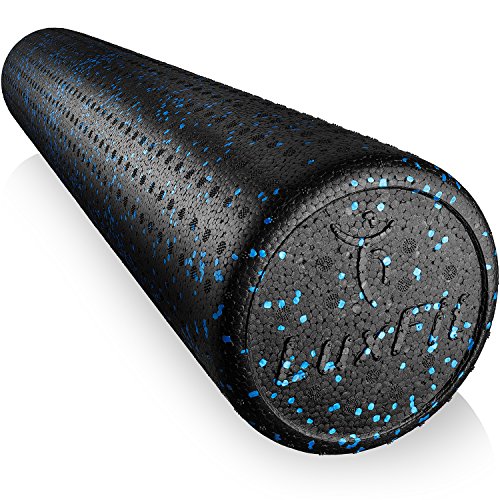
LuxFit Foam Roller, Speckled Foam Rollers for Muscles '3 Year Warranty' High Density Foam Roller for Physical Therapy Exercise Deep Tissue Muscle Massage MyoFacial Release Back Roller (Blue, 24 Inch)
Survived two years and a dog bed, density still holds
Visit on Amazon →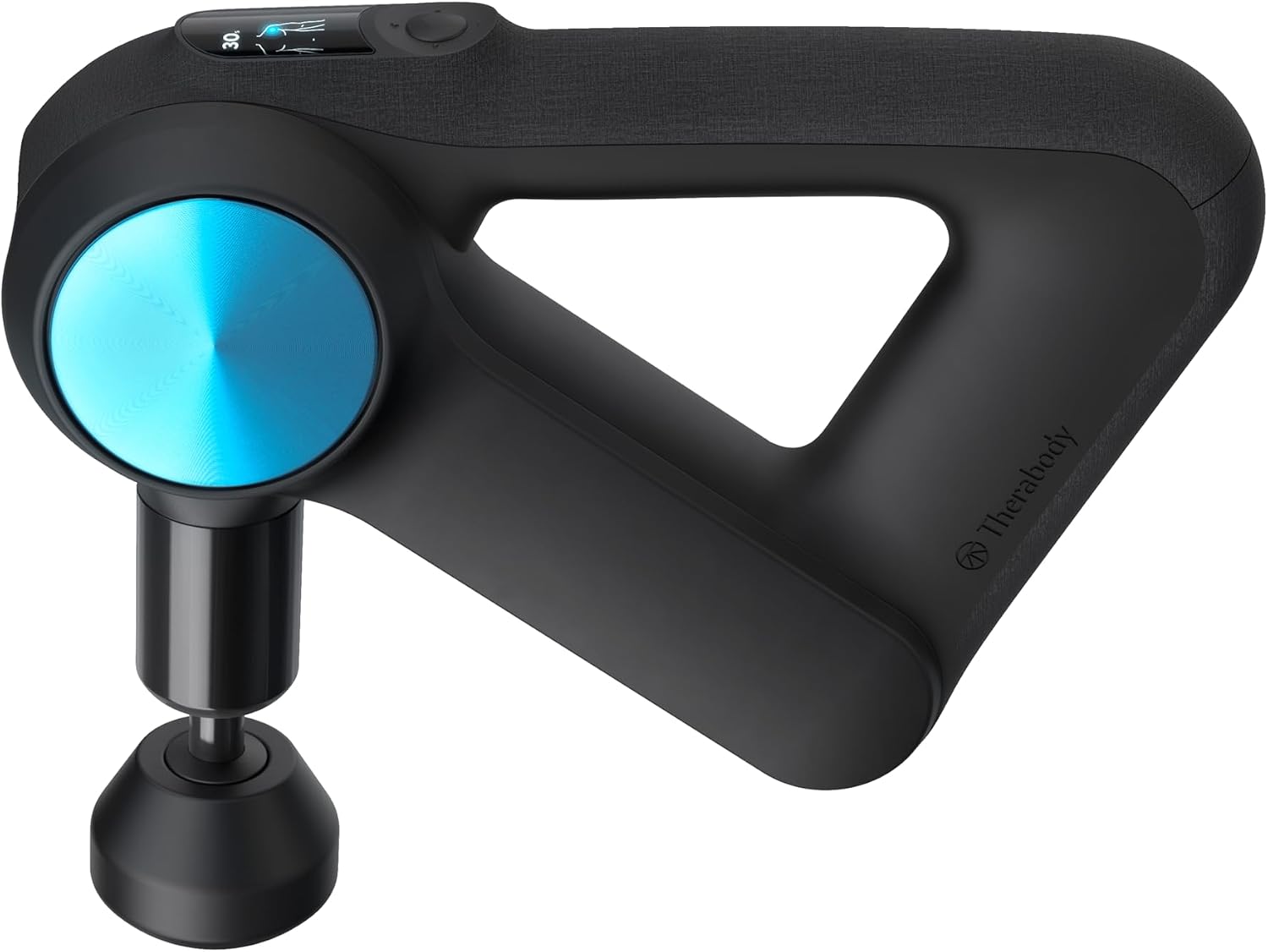
TheraGun Pro Handheld Deep Tissue Massage Gun - Bluetooth Enabled Percussion Massage Gun & Personal Massager for Pain Relief & Circulation in Neck, Back, Leg, Shoulder and Body (Black - 5th Gen)
The only thing that reaches the knot in my trap
Visit on Amazon →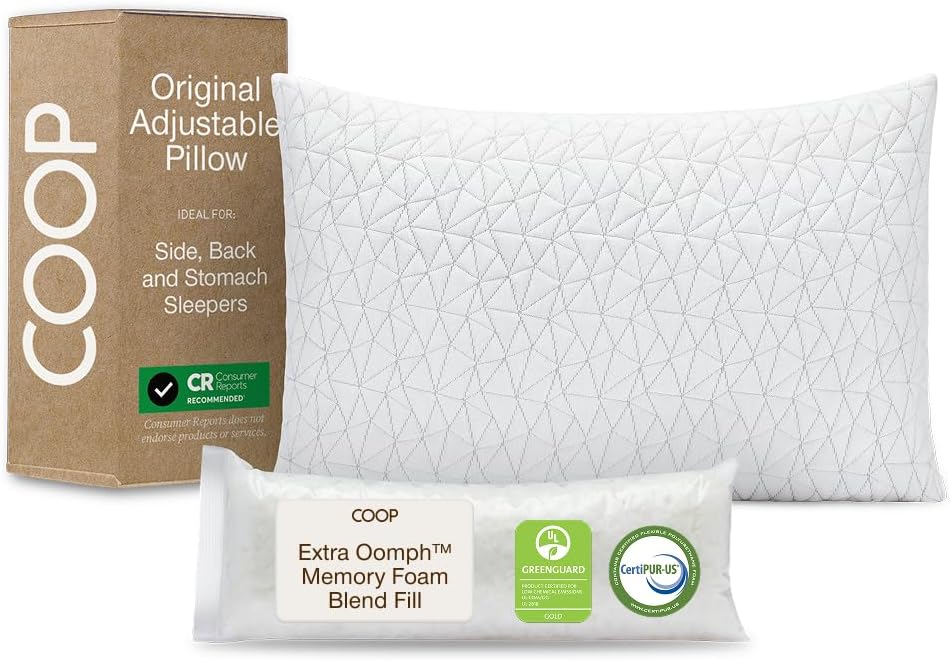
Coop Home Goods Original Adjustable Pillow, Queen Size Bed Pillow for Sleeping, Cross Cut Memory Foam Pillow - Medium Firm Back, Stomach and Side Sleeper Pillow, CertiPUR-US/GREENGUARD Gold
Adjustable fill, fixed my tech neck at night
Visit on Amazon →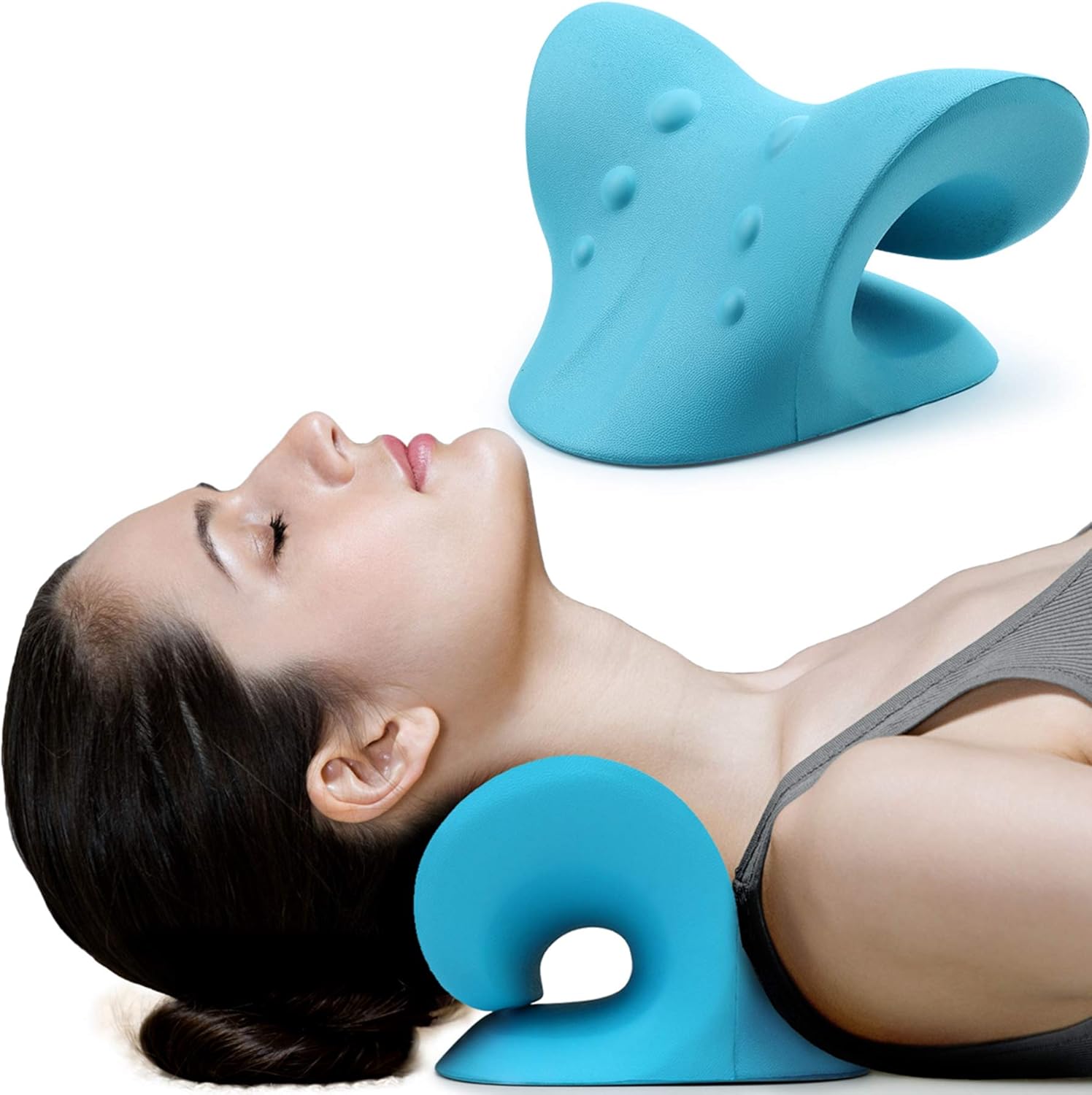
RESTCLOUD Neck and Shoulder Relaxer, Cervical Traction Device for TMJ Pain Relief and Cervical Spine Alignment, Chiropractic Pillow Neck Stretcher (Blue)
Ridiculous but it works, neck feels amazing after
Visit on Amazon →
ShaktiMat Acupressure Mat for Tension Release & Relaxation, Level 1 Black
FOAM ROLLERS FOR MUSCLES – LuxFit High Density Foam Roller is great for Physical Therapy, before or after Exercise, Yoga, and Massage Therapy. Foam Muscle Rollers helps to relieve Muscles Tension and
Visit on Amazon →How I actually test this stuff
I don’t do the 20-minute YouTube review thing. I live with gear for three months minimum before I’ll recommend it. I’ve got a treatment room with a pressure gauge for the “it hurts so it’s working” crowd, because I’ve had too many patients come in convinced they need to be crying on a roller to get results.
They don’t. And I’ve got a workbench in the garage covered in disassembled gadgets I was trying to fix before I gave up and wrote the obituary.
I’m not a doctor. I’m a PT. That’s different. I don’t prescribe, I dose. There’s a difference between a treatment and a torture session, and it’s intent and pressure. If you’re wincing, you’re doing it wrong. If you’re bracing, you’re doing it wrong. The goal is blood flow and neural input, not punishment.
Stretching alone won’t fix what sitting did
Here’s the problem I see every single day. People sit at a desk for 9 hours, hunched over like a shrimp, then they go home and stretch their hamstrings for 10 minutes. They stretch the hamstring because it feels tight.
But the hamstring isn’t the problem. It’s the hip flexors, which have been shortened all day. The hamstring is pulling because the pelvis is tilted.
You can stretch it until the cows come home and it will still be tight, because you’re pulling on a muscle that’s already at its limit.
The research on tissue adaptation is pretty clear on this. Static stretching changes your tolerance to stretch, not the length of the muscle. It feels good. It’s not useless. But it’s not changing the tissue.
Foam rolling, on the other hand, actually changes tissue compliance and blood flow. It’s not permanent, but it’s real.
For about 10 to 15 minutes after you roll, that tissue is more pliable. That’s your window. That’s when you stretch.
So the order matters. Roll first to change the tissue, then stretch to take advantage of the new range. Roll the quad, the IT band, the glute, then stretch the hip flexor. Roll the calf, then stretch the calf. If you stretch cold tissue, you’re just pulling on a rope that doesn’t want to give. If you roll first, you’re working with a rope that’s actually loosened up.
The LuxFit roller: the one that survived my dog
Let me start with the one I actually recommend on a regular basis. The LuxFit is ~$20. The TriggerPoint is ~$40. Same density. Same texture. Same results. The foam doesn’t know what brand it is. I’ve had TriggerPoint rollers go soft on me.
I’ve had a patient bring in a LuxFit that she’d used daily for a year and a half, and it was still holding up.
My own LuxFit has been used as a nap spot by Gus, who is 65 pounds of pure chaos, and it still has its shape.
The criticism I get is that it’s too firm for beginners. That’s fair. If you’ve never rolled before, the dense foam is going to hurt. Start with a softer roller, or put a towel over it. But if you’re past the beginner stage, this is the one.
It’s the workhorse. I’ve got four of them in my treatment room and one at home. I recommend this to patients who are serious about consistency, because at ~$20, the cost-per-day over two years is basically nothing.
The Theragun Pro: loud as hell, worth every penny
I said I’d die on the zipper hill, but I’ll also die on the Theragun hill. It’s ~$400, which is absurd. And I’ve had patients describe the noise as “a jackhammer having a panic attack,” which is accurate.
But it’s the only thing that gets into my upper traps. I’ve got a knot that builds up for three days after a bad week of desk work, and the Hypervolt I tried couldn’t touch it.
The Theragun’s amplitude is deeper. It’s not the same tool.
The battery complaint is real, though. I get about 60 minutes of use on a full charge, and if I’m using it daily, that means charging it every few days. The Hypervolt is quieter, but the battery dies faster and the motor feels weaker.
I’ve had patients who bought the cheap ~$60 guns and they died in a month. Not “lost power gradually.” Dead.
Won’t charge. The motor gave up. You get what you pay for, and what you pay for with a ~$60 massage gun is disappointment.
The problem with the Theragun is the price. At ~$400, it’s a commitment. I tell patients to try a friend’s first. If the noise doesn’t bother you, and you have a specific knot that won’t release, it’s worth it. If you’re just looking for general recovery, save your money. A foam roller does 80% of the job for 5% of the cost.
The Coop Home Goods pillow: the only pillow that fixed my tech neck
I’ve spent ~$300+ on pillows trying to fix my neck. Tempur-Pedic. Casper. Some ~$150 slab of memory foam that felt like sleeping on a parking lot. The Coop is ~$70 and it’s the one I still use. The adjustable fill is the whole trick.
You can dial in the loft. I’m 5’10”, 180 lbs, and I sleep on my side. I took out about a third of the fill and it’s perfect.
My wife, who is 5’2” and sleeps on her back, took out half. Same pillow, two completely different configs.
The caveat is that you have to fiddle with it. It took me three nights to get the fill right. If you’re not willing to spend 10 minutes adjusting, you’re going to be frustrated. But if you do, you’ve got a pillow that actually supports your neck instead of letting your head sink into a hole.
My tech neck is noticeably better in the morning. I wake up without that stake-through-the-shoulder-blade feeling.
The RestCloud cervical traction: ridiculous but it works
I look like a cyborg charging when I use this thing. There’s no way around it. You lie on your back, put your head in this foam cradle, and let gravity do the work. It’s ridiculous. But my neck feels amazing afterward. The relief is real. I’ve had patients who were skeptical, tried it, and bought their own within a week.
The problem is the zipper. My RESTCLOUD version, which is the same design, had the zipper give up after three weeks. Three weeks. The foam inside is fine, but the cover is garbage. I’ve read enough complaints to know this is a pattern across the category. If you’re going to make a product people lie on, the zipper has to survive more than a month.
The RestCloud itself seems to have better build quality than the Comfortland, but I can’t fully vouch for it yet. I’ve been using it for two months and the zipper is holding. I’ll update this if it gives up. For now, the neck relief is worth the risk. Just be gentle with the cover.
The acupressure mat: hurts so good, but the spikes bend
I’ve fallen asleep on my acupressure mat more times than I can count. The initial pain is intense, but after a few minutes, your body settles and it’s genuinely relaxing. I’ve had patients with chronic upper back tension who swear by it. The problem is durability. The spikes bend permanently after a few uses, and then you’re lying on a lumpy piece of plastic that doesn’t do anything.
At ~$30, it’s not a huge investment. But if you’re using it daily, you’ll need to replace it every couple of months. That’s ~$180 a year for something that should last. I’ve tried to find a more durable version and I haven’t yet. If you’re okay with the replacement cycle, it’s worth it. If you’re not, skip it.
The posture brace problem
Everyone asks about the Upright Go. It buzzes and you fix your posture. That’s it. That’s the magic. It works. I stopped wearing mine after a month because the app was clunky and I got tired of charging yet another device. The device works. The habit doesn’t.
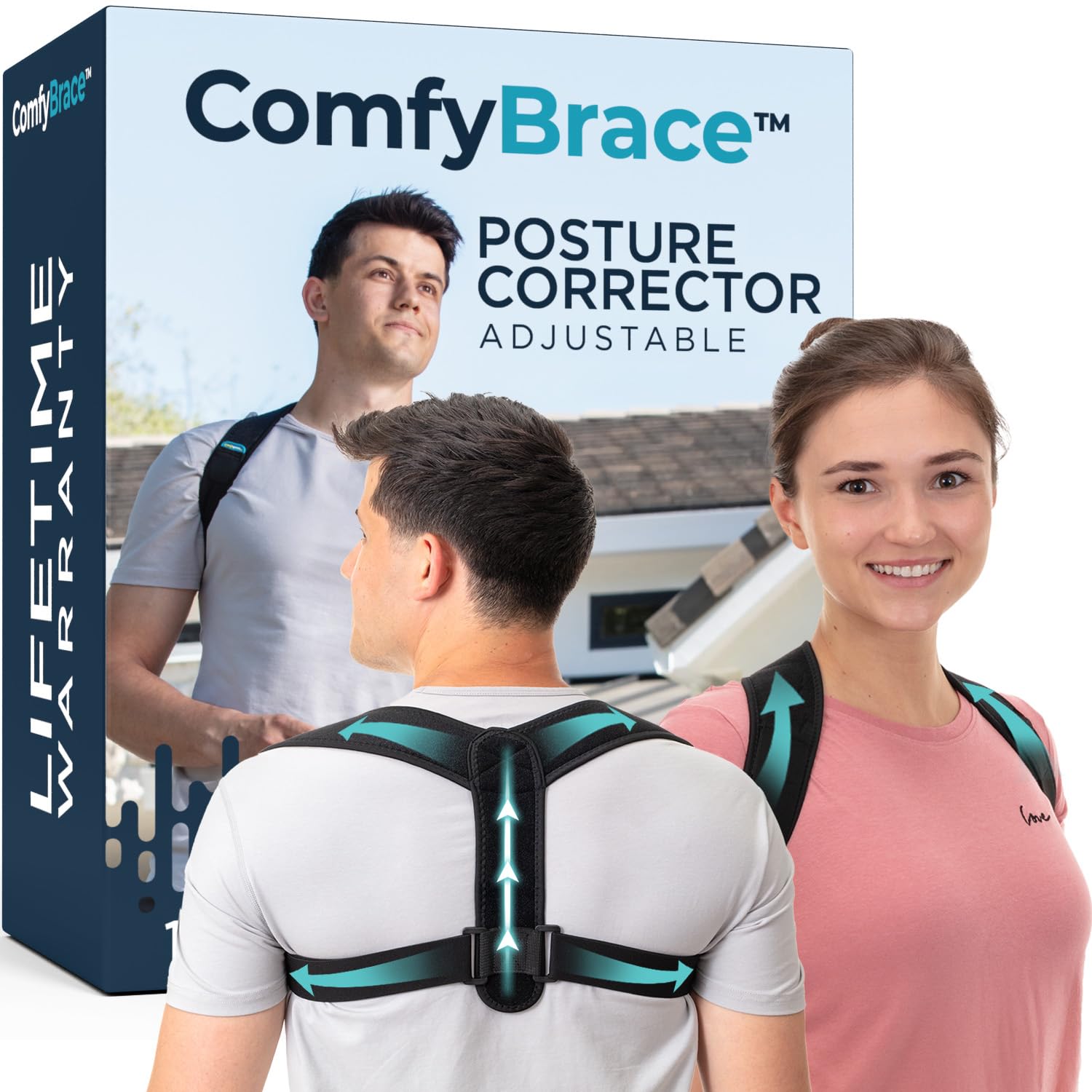
Posture corrector braces are worse. My PT colleagues and I call them “a bra for your shoulders.” They’re a crutch, not a tool. They do the work your muscles need to learn to do themselves. I’ve told more than one patient to throw theirs away. If you’re wearing a brace to hold your shoulders back, your muscles are getting weaker. That’s the opposite of what you want.
The bottom line
Foam rolling and stretching aren’t competitors. They’re a sequence. Roll first to change the tissue, then stretch to take advantage of the new range. Two minutes per muscle group, pressure that’s uncomfortable but not painful. Three times a week. That’s it. Consistency beats intensity every time.
I’ve bought the ~$400 gun, the ~$20 roller, the ~$70 pillow, and the ~$45 traction device. Some of it changed my life. Most of it is in a drawer. The LuxFit is the best value in the entire recovery space. The Theragun is the only thing that reaches my traps. The Coop fixed my neck. The traction device is ridiculous but it works. Everything else is junk.
If you only buy one thing, make it the LuxFit. It's ~$20, it lasts, and it does more for your back than any ~$200 gadget..
If you've got a specific knot that won't release, save up for the Theragun. It's loud, it's expensive, and it works..