I've spent 12 years as a physical therapist and ~$600 of my own money on recovery gear that promised to fix everything from my desk-worker neck to the knots Gus the lab mix somehow gets just from napping. Foam rolling sits at the center of that obsession, and it's also where the worst advice lives. The internet will tell you to roll until you cry, roll for 10 minutes per muscle, or skip it entirely because "it's all placebo."
None of that is true. Here's what actually happened when I tested rollers, balls, and sticks for three months, prescribed them to patients, and let a 65-pound dog use them as furniture.
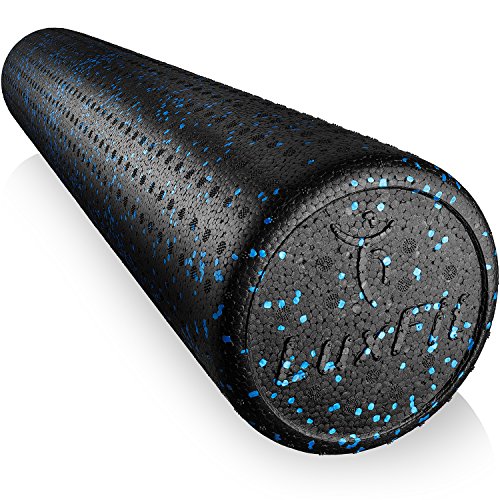
LuxFit Foam Roller, Speckled Foam Rollers for Muscles '3 Year Warranty' High Density Foam Roller for Physical Therapy Exercise Deep Tissue Muscle Massage MyoFacial Release Back Roller (Blue, 24 Inch)
Same density as TriggerPoint for half the price, survived two years of daily use and a dog
Visit on Amazon →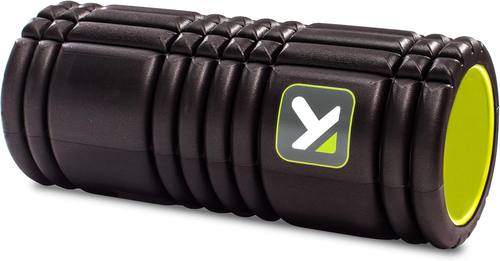
TriggerPoint GRID Foam Roller for Exercise, Deep Tissue Massage and Muscle Recovery, Original (13-Inch)
Textured surface reaches deeper into glute and calf tissue
Visit on Amazon →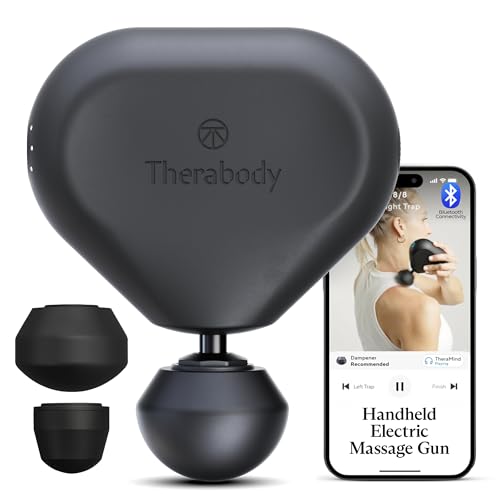
TheraGun Therabody Mini 3rd Gen Massage Gun | Travel Essential, Black
Gets into traps nothing else reaches
Visit on Amazon →
ShaktiMat Acupressure Mat for Tension Release & Relaxation, Level 1 Black
FOAM ROLLERS FOR MUSCLES – LuxFit High Density Foam Roller is great for Physical Therapy, before or after Exercise, Yoga, and Massage Therapy. Foam Muscle Rollers helps to relieve Muscles Tension and
Visit on Amazon →What I Actually Did With These Things
I rolled before work, after work, and once at 2 AM when my shoulder blade felt like someone drove a stake through it. I used them on my quadriceps after leg day, my thoracic spine after eight hours hunched over a keyboard, and my calves while watching Gus claim each roller as his personal nap spot. He chewed exactly one. It was a cheap LuxFit I'd already written off, so honestly, he did me a favor.
I also tested the "it hurts so it's working" theory with my clinic's pressure gauge, because I've had patients wince so hard they brace their entire core, which is the opposite of what you want. The gauge doesn't lie: pain that makes you brace is pain that's doing damage, not releasing tissue.
Myth 1: The Harder You Roll, The Better It Works
This is the most dangerous advice in the entire recovery space, and it's everywhere. "No pain, no gain" has infected foam rolling the same way it infected CrossFit. I've had patients come in with bruising on their IT bands from rolling so hard they thought they were "breaking up scar tissue." You're not breaking up scar tissue. You're bruising your thigh.
My protocol is simple: two minutes per muscle group, pressure that's uncomfortable but not painful. If you're wincing, you're doing it wrong. If you're bracing, you're doing it wrong. The goal is blood flow and neural input, not punishment. I've watched people roll their hamstrings like they're kneading bread dough and then complain the next day that their legs feel worse. Yeah, because you beat them up.
The research backs this up. Tissue adaptation happens with consistent, moderate load, not a single violent session. You don't need to suffer to recover. You need to be consistent.
Best Overall: LuxFit Foam Roller
The LuxFit is the same density as the TriggerPoint, same texture, same results, for ~$20 instead of ~$40. I've had TriggerPoint rollers go soft while my LuxFit is still holding up after two years. Gus has also used it as a bed, which is the ultimate durability test. The foam doesn't know what brand it is. The marketing department does.
I've prescribed this roller to more patients than any other piece of gear. It's firm enough to reach the deep knot in your glute but not so hard you're bracing against it. It survived two years of daily use, a 65-pound dog, and my tendency to leave it on the garage workbench where the temperature swings from freezing to swamp. The high-density EVA foam hasn't flattened, hasn't cracked, and hasn't developed that weird chemical smell cheap rollers get.
The only complaint I have is the surface is smooth, so if you want texture for calf work, you'll need to supplement with a ball or a stick. But for the price, this is the one I'd buy again without hesitation.
Best for Deep Tissue: TriggerPoint GRID
The TriggerPoint GRID costs twice as much as the LuxFit, and the only real difference is the textured surface. The hollow core makes it lighter than the LuxFit, which matters if you're carrying it to the gym. The ridges dig into calf and quad tissue in a way the smooth LuxFit can't, and I've found it more effective for the posterior chain work I prescribe for desk workers.
But here's the thing: the foam goes soft. After about a year of regular use, the GRID I owned developed a give that wasn't there on day one. The LuxFit I bought at the same time is still firm. That's the brand markup problem I keep running into. You're paying for the name, not the durability.
If you need the texture, buy it. If you don't, save the ~$20 and get the LuxFit.
Best for Travel: Theragun Mini
The Theragun Mini is loud as hell. I've had patients describe the full-size Theragun Pro as "a jackhammer having a panic attack," and the Mini is only slightly quieter. But it's the only thing that gets into my traps when the knot has been building for three days, and at 1.5 pounds, it fits in my work bag without complaint.
The battery is the problem. I use it daily, sometimes twice a day, and I'm charging it every four or five days. The Hypervolt is quieter, but the battery dies even faster, and if you're using it daily that's a real problem. The cheap massage guns? I bought a ~$60 one and it died in a month. Not "lost power gradually." Dead. Won't charge. The motor gave up.
The Mini costs ~$150, which is ~$90 less than the full-size Pro and ~$50 less than the Hypervolt. For the money, it's the best balance of power and portability I've found. But if you're someone who forgets to charge your phone, you'll forget to charge this, and it'll be dead when you need it.
Ridiculous But It Works: Acupressure Mat
I fell asleep on my acupressure mat more times than I can count. The first few minutes feel like lying on a bed of nails, then something shifts and your back stops screaming. It's the most bizarre sensation, and I've had patients describe it as "hurting so good."
But the spikes bend permanently after a few uses. Four uses in, mine had a flat spot where my upper back rested. The relief is real, the durability isn't. I've gone through two of these in the past year, and at ~$30 each, that's ~$60 for a product that should last longer than a month.
The theory is solid: acupressure stimulates blood flow and triggers the parasympathetic nervous system, which is why people fall asleep on them. The execution is garbage. If a company made one with springs instead of plastic spikes, I'd pay triple.
What Else to Consider
The Stick: Good for calves and forearms, useless for anything else. I've had patients love it for shin splints, but it doesn't reach the deep glute tissue most desk workers need.
Massage Balls: A lacrosse ball in a sock does 90% of what a ~$40 massage ball does. I've prescribed this to more patients than I can count. The fancy ones with ridges are fine, but they're not magic.
Vibrating Rollers: The vibration masks the pressure, so you think you're getting a deeper release than you are. I've tested two, and both ended up in the drawer. You're better off with a regular roller and a massage gun.
Should You Buy a Foam Roller?
If you sit at a desk, yes. If you lift, yes. If you run, yes. The LuxFit at ~$20 is the best entry point, and it'll last you years. The TriggerPoint is worth it if you need the texture, but understand you're paying for the name.
If you're expecting a foam roller to fix your posture or cure your back pain, it won't. It's a maintenance tool, not a treatment. The patients who see results are the ones who use it consistently, three times a week, for months. The ones who roll once, decide it's too painful, and never touch it again are the ones who tell me "foam rolling doesn't work."
It works. You just have to do it more than once.
At 5'10", 180 pounds, with a desk job and a dog who thinks every roller is a bed, the LuxFit is the one I'd buy again. Your mileage may vary, but the physics don't.