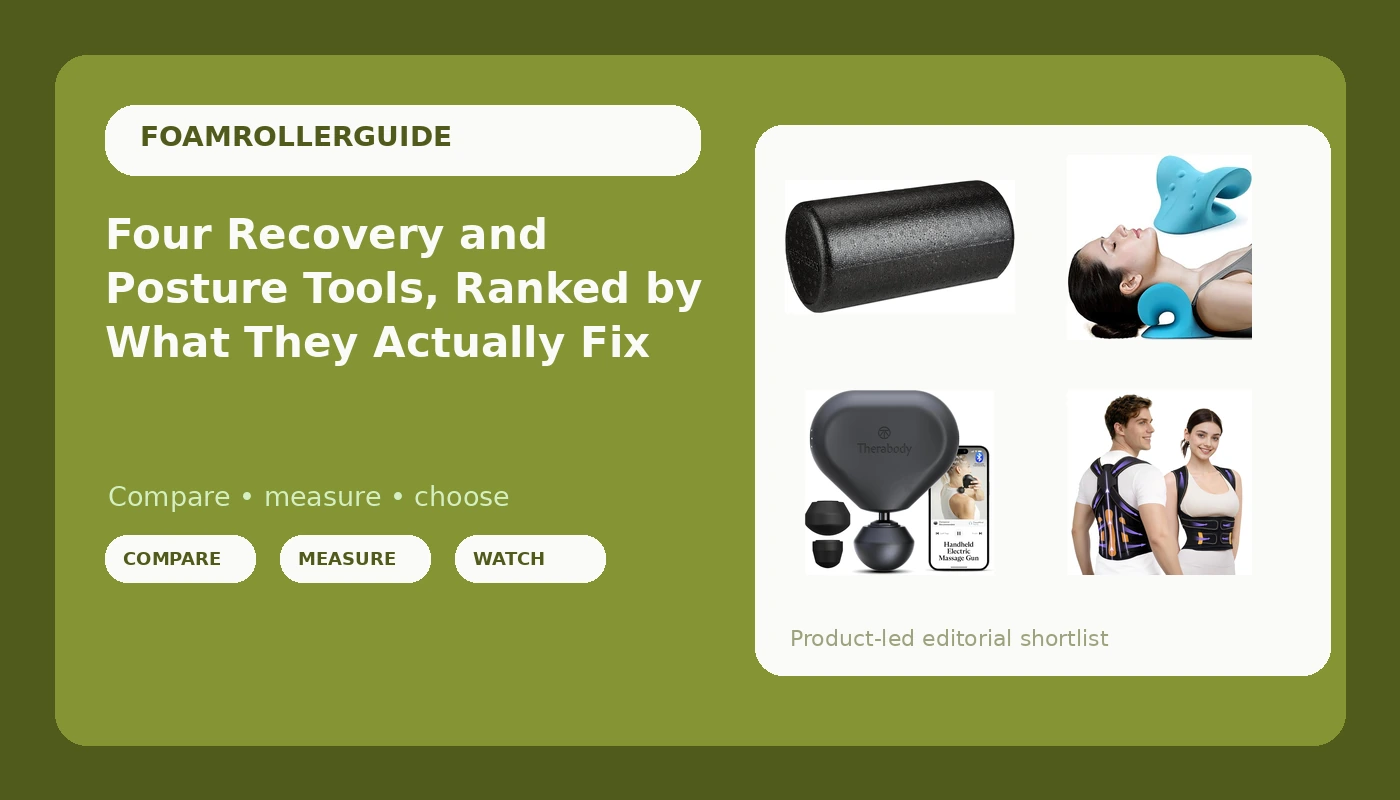
I have spent twelve years telling people to stop buying recovery gadgets, and about eleven of those years failing to take my own advice. My treatment room has a pressure gauge in it because I got tired of arguing with patients who believed recovery had to hurt. This comparison covers four recovery and posture tools that get mentioned to me constantly: a plain high-density foam roller, a cervical traction pillow, a travel massage gun, and a posture brace. They do not do the same job, and two of them are sold as if they do.
Related: Foam Roller Density Explained: Soft Vs Medium Vs Firm
The short version: the Amazon Basics High Density Foam roller is the one I would hand to almost anyone, and the posture brace is the one I would hand to almost no one without a specific plan attached. Everything else here is a specialist tool that solves a narrower problem. Here is how the four compare.
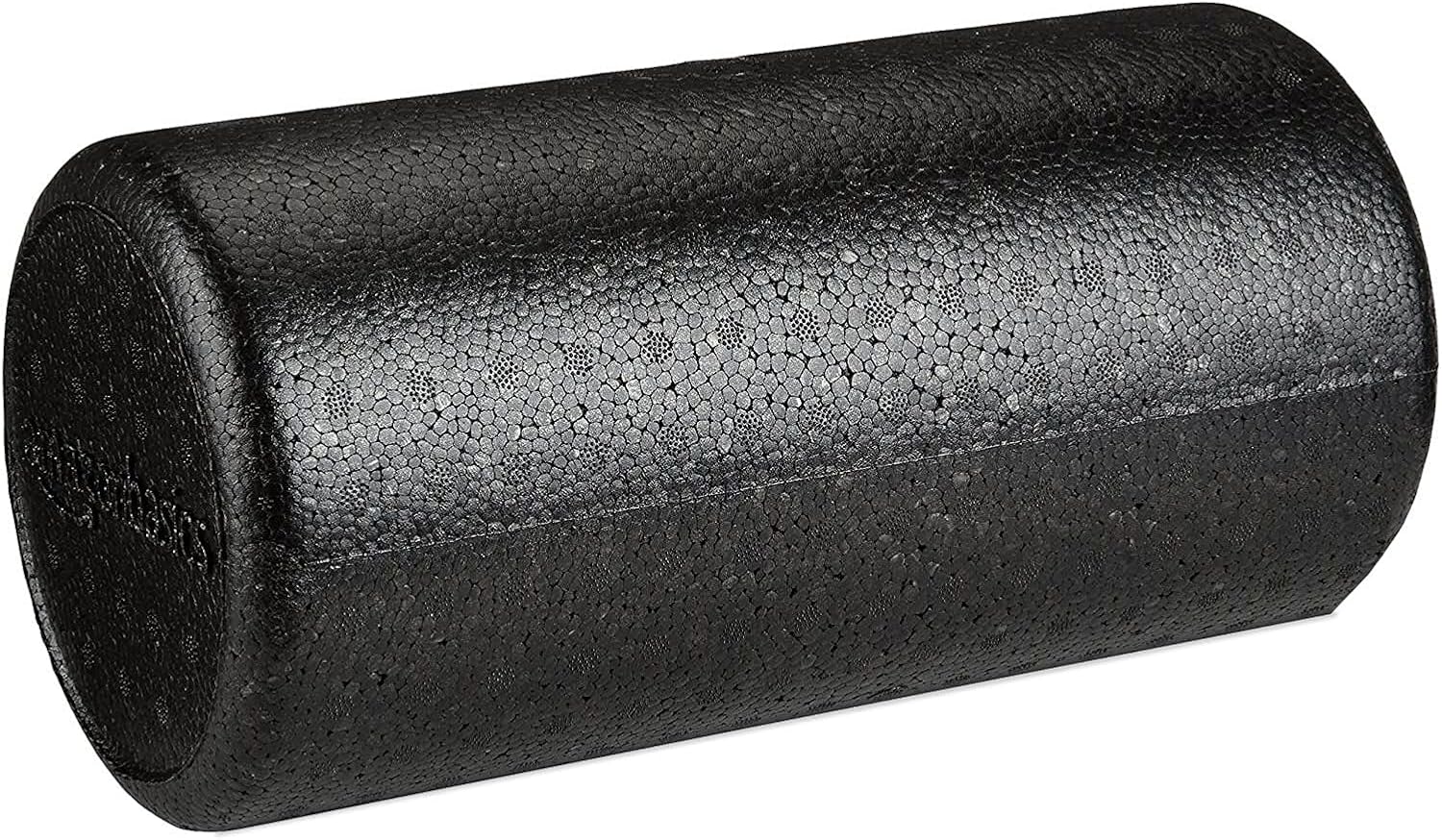
Amazon Basics High Density Foam
Density is the spec that matters, and this is the cheapest honest way to get it under a hamstring or a quad
One firmness, one length, no texture and no vibration, so it is a tool rather than a system
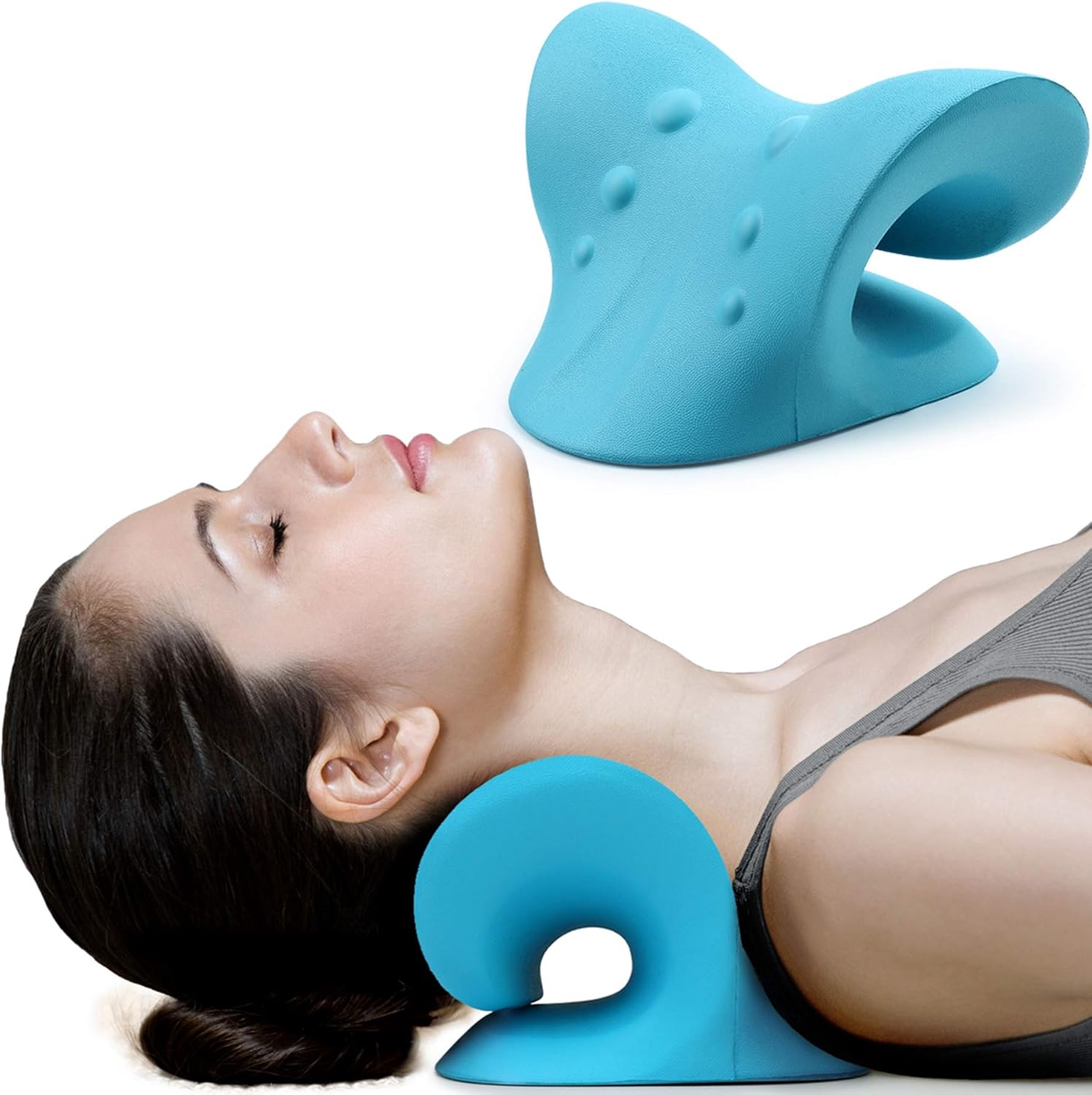
RESTCLOUD Neck and Shoulder Relaxer, Cervical Traction Device for TMJ Pain Relief and Cervical Spine Alignment, Chiropractic Pillow Neck Stretcher (Blue)
Passive, gentle, needs no setup, and easy to use for a few minutes after a desk-heavy day
The package claims more than molded foam can deliver, and it is not a treatment for a spine problem
<img src="/images/products/B0DV7JN7ZD.jpg" alt="TheraGun Therabody Mini 3rd Gen Massage Gun
Small enough that it actually travels with you, and percussion is excellent on big muscle bellies
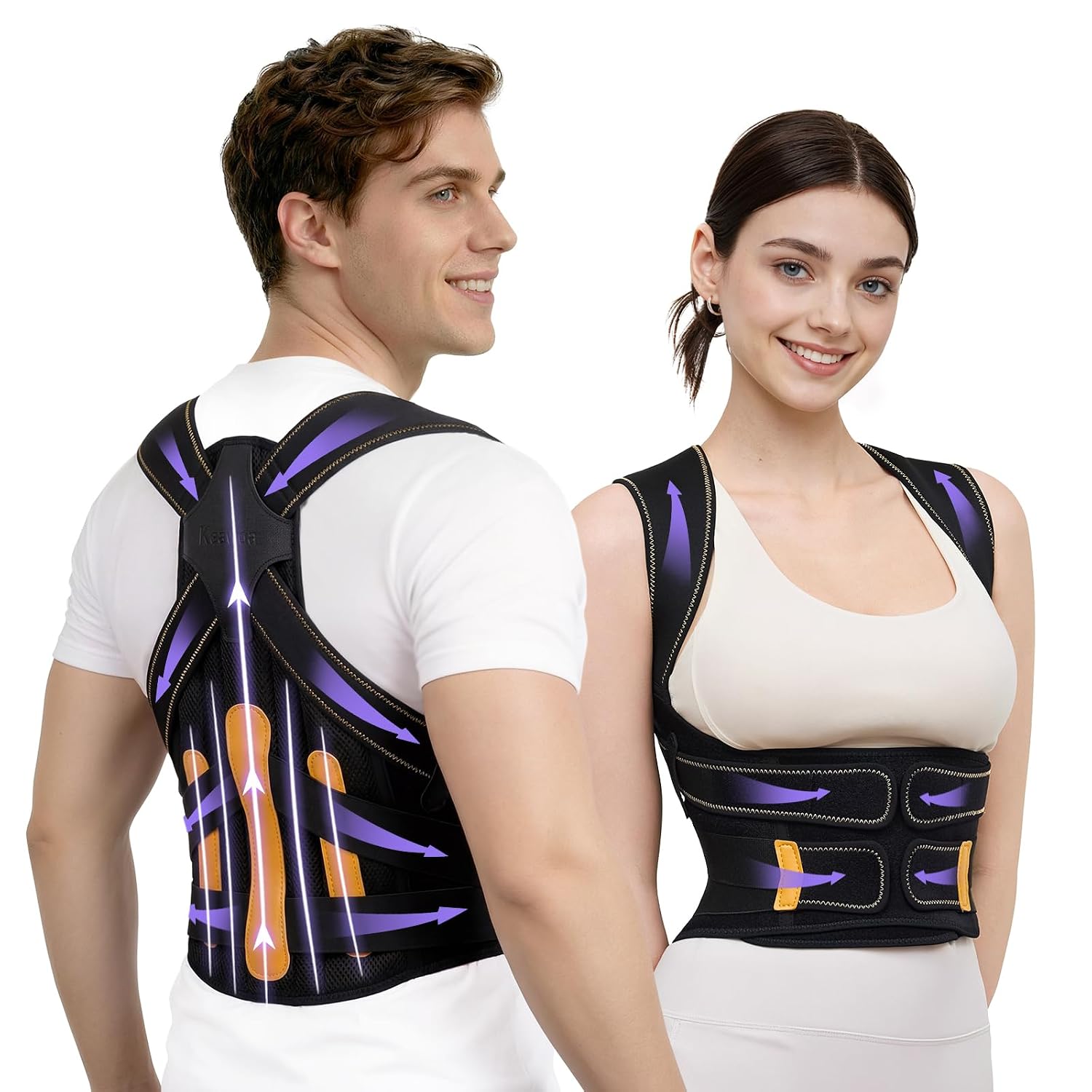
Posture Corrector for Women and Men, 5x Enhanced Support Back Brace, Large
Gives you a physical reference for what tall feels like, and it comes in sized options
It is a reminder, not a fix, and all-day wear lets the muscles that hold you up get lazy
Prices and availability were captured from Amazon Creators API and may change.
How I judge a recovery tool
Four questions decide whether something earns space in my treatment room or in a patient's gym bag.
Does the tool match a real clinical need? A soft roller and a firm roller are both correct, just for different bodies. A tool that claims to do everything usually does nothing.
Can a normal person use it without hurting themselves? If it requires a second pair of hands, a tolerance for bruising, or a video tutorial to avoid injury, it is a bad product for home use.
Will it survive six months? Foam that flattens is a subscription, not a purchase. The cheapest tool that lasts is the expensive tool that does not.
Would I prescribe it to a patient? That is the real test. I do not care what a product does in a marketing photo. I care what it does on a Tuesday night when someone's quads are tight and they have twenty minutes.
Those four questions put these products in very different boxes.
Amazon Basics High Density Foam: the boring one that works
A plain foam cylinder is the least exciting item on this list and the one I recommend most. High density foam resists compression, so your body weight goes into the muscle instead of squashing the tool. That is the entire mechanism. Density is the specification that matters, not the color, the texture, or the words printed on the box.
Where it works: hamstrings, quads, calves, glutes, upper back. Two minutes per muscle group, slow passes, pressure that is uncomfortable but not painful. Rolling before a workout preps tissue and wakes up the nervous system. Rolling after is a recovery input. They are not the same session and they are not interchangeable.
Where it does not: if you are new to rolling and everything hurts, a single firmness gives you no way to back off. I keep a softer roller around for ribcages, inner thighs, and anyone three days out from their first session. This roller is also not textured, which matters if you are chasing one stubborn spot in a quad or an IT band. A plain cylinder spreads load; a textured one concentrates it. Both are useful. This one does the first job.
The honest trade-off is that a budget roller has one density, one length, and no vibration. If you want a system with options, you will end up buying twice. If you want the 80 percent solution, this is it.
Check current Amazon price on the Amazon Basics High Density Foam.
RESTCLOUD Neck and Shoulder Relaxer: a stretch, not a cure
Cervical traction devices work on a simple idea. A curved cradle supports the head and lets the neck settle into a gentle stretch, using body weight instead of force. Used for a few minutes at a time, that can feel genuinely good at the end of a desk-heavy day. The RESTCLOUD device is that category, it is popular for a reason, and it fits in a carry-on.
Here is where I get careful. A traction pillow is a stretch tool, not a treatment for a spine problem. If you have a disc issue, a pinched nerve, or pain that travels down an arm, that is a clinician conversation, not a purchase. I also would not judge it on the words on the package. Cervical spine alignment and TMJ pain relief are big claims for molded foam. The neck and the jaw are connected, and loosening the upper neck can change how the jaw feels, but a pillow does not realign a spine.
My dosing advice: start with a few minutes, not twenty. If you feel worse, stop. If you feel better, that does not mean more is better. And do not let it replace the strengthening work that changes posture over months.
Check current Amazon price on the RESTCLOUD Neck and Shoulder Relaxer.
TheraGun Therabody Mini 3rd Gen: a travel gun, muscles only
Percussion guns are the tools people ask about most. The Mini is the travel version, small enough to live in a bag, which matters because the gun you leave at home does nothing. Percussion is excellent on big muscle bellies: calves, quads, glutes, lats. It gets blood flow and a nervous system response into tissue without you lying on the floor.
It is also the tool I see used worst. Never on the neck. Never on the spine. Never on a joint, a bone, or a healing injury. I have treated the aftermath of that mistake and it is not a fun conversation. If you cannot put the flat of your hand on it and feel muscle underneath, the gun does not go there.
On the travel format, the trade-off is stroke depth against portability. A small gun is a convenience tool, not a deep tissue workhorse. If your problem is a genuinely stubborn quad, a firm roller or a heavier gun will do more. If your problem is tight calves after every run and you want thirty seconds of relief before you get on with your day, the small one wins because it is actually with you. It is the biggest investment in this group, so it should be the most specific purchase.
Check current Amazon price on the TheraGun Therabody Mini 3rd Gen Massage Gun.
Posture Corrector: a reminder, not a fix
I want to be precise here, because this is the category I argue about most. A back brace does not fix posture. It is a reminder. Worn for a short block of time, it pulls your shoulders back and gives you a reference for what tall feels like. That reference is genuinely useful for someone who has spent a decade folded over a laptop and does not know where neutral is.
What it cannot do is build the muscles that hold you there. Wear it all day and you are outsourcing the work to fabric, and the tissue that is not working gets weaker. My rule: short sessions, ideally while you are doing something that already requires you to sit or stand well, and always paired with strengthening. Rows, band pull-aparts, dead bugs, whatever your version of that is.
Fit matters more than features, and this one comes in sized options, which is the right approach. A brace that is too small digs into the ribs and one that is too big does nothing. If you are between sizes, size up and use the straps.
Check current Amazon price on the Posture Corrector for Women and Men.
What I would buy, and in what order
If you are building a recovery setup from zero, buy the foam roller first. It has the widest range of uses and the lowest chance of hurting you if you use it sensibly. Add a softer roller later if you notice yourself avoiding the firm one.
If your specific complaint is a stiff neck at the end of a workday, the traction pillow is a reasonable, low-cost experiment, as long as you treat it as a stretch and not a cure. If your complaint is tight calves or quads after running, and you know you will actually carry a tool with you, the travel gun earns its place. If your complaint is that you keep slouching and you want a physical cue while you rebuild strength, the brace is a temporary training wheel.
What I would not do is buy all four at once. Recovery tools are like shoes: the ones that get used are the ones that match the life you actually have. A closet full of gear is not a recovery plan.
What I am testing next
I am running a pressure-mapped comparison with patients this fall, looking at how much force actually reaches tissue with each category of tool, and whether the premium versions change outcomes or just change how the session feels. I will also be watching how all four of these hold up over six months of real use, because durability is the spec nobody advertises.
My bias, stated plainly: the boring tool usually wins. Consistency beats intensity, and the best recovery product is the one that is already out of the closet when you need it.