Related: How Long Should You Actually Foam Roll? A Dosing Guide
I have spent twelve years as a physical therapist, and about half of that watching people buy recovery and posture tools for the wrong reason. They come in with a neck that aches, a shoulder that has drifted forward, and a cart full of gadgets. The gadgets are not the problem. The order of operations is.
Here is what nobody selling you a brace will say out loud: a posture brace does not fix posture. It reminds you what upright feels like. That is a real job, and a useful one, but it is a twenty minute job, not an all day job. A massage gun does not loosen a tight muscle by magic. It changes what the tissue and the nervous system are willing to tolerate, which is why the speed settings matter more than the marketing copy. And a neck stretcher does not permanently "realign" your cervical spine. It gives you ten quiet minutes of gentle traction and a chance to exhale.
So this is the piece I wish my patients would read before they click buy. Four tools, what each one is actually for, and where each one does not belong. I will tell you now that the most popular category of tool here should never touch your neck, and the neck is exactly what most people buy it for.
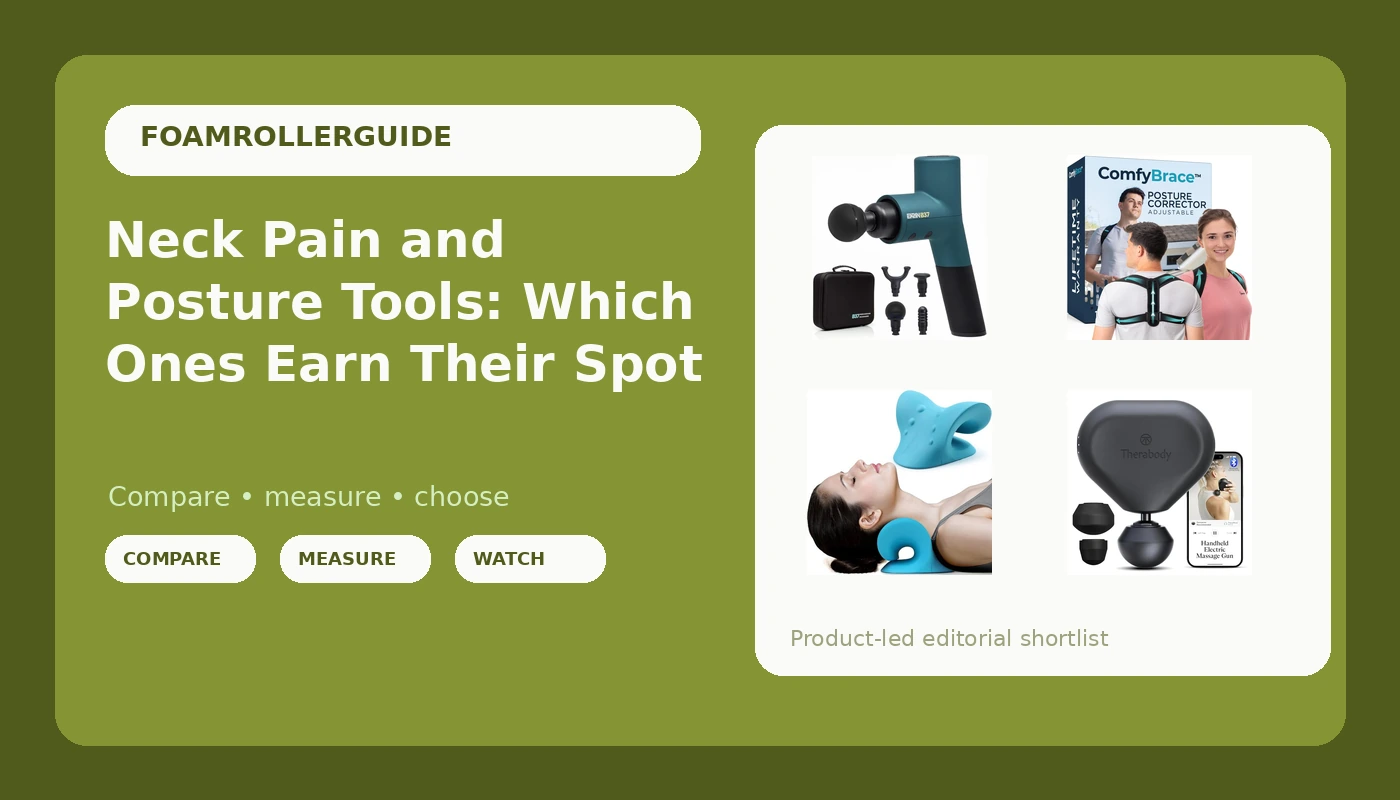
Best Overall: Ekrin Athletics B37v2 Massage Gun
The reason this one sits at the top of my list is not power. It is control. Five speeds sounds like a small thing until you have watched someone park a single speed gun on a calf and limp away. Percussion works when you can start low, stay low, and only add amplitude when the tissue tells you it is ready. A gun with one speed is an earthquake with a handle, and I have treated the aftermath.
The brushless motor is the other spec worth understanding. It is why this one stays quiet, and quiet matters more than anyone admits, because a gun you can use while the television is on is a gun you will actually use. A gun that sounds like a lawn mower lives in a closet. I have strong feelings about recovery tools that live in closets.
Four attachments is a reasonable number. A ball head for broad muscle bellies, a flatter head for the long spans of your upper back and quads, something smaller for getting around the shoulder blade. You do not need twelve heads. You need four and a reason to use each.
Now the boundary. This is a massage gun. It is for muscle. Not for your neck, not for your spine, not for your ribs, not for a joint, not for a bruise, and not for the spot where your shoulder meets your neck no matter how good it feels for the first ten seconds. The deep, satisfying thud you feel when you hammer the base of your skull is not release. That is your nervous system complaining in a language you have not learned yet. Put it on your glutes and your upper back instead.
Best Value: ComfyBrace Posture Corrector
This is the least expensive item in this guide and, used correctly, one of the most useful. It is made for both men and women, it goes on like a backpack strap, and its job is simple: it pulls your shoulders back far enough that your body remembers where they belong.
That reminder is worth something. Most people with forward shoulders have no idea what neutral feels like anymore. They think they are standing straight when they are not, because their sense of straight has drifted. Twenty minutes in a brace resets that sense. Then you take it off and try to hold the position on your own.
What it cannot do is build the muscle that holds you there. A brace is a cue, not a cure. If you wear it all day, you train your upper back to stop working, and you will feel worse when you take it off than you did before you put it on. My rule: twenty to thirty minutes at a time, snug enough to feel, never tight enough to restrict your breathing, and always paired with actual strength work. Rows, band pull aparts, chin tucks. The brace buys you awareness. The exercises buy you posture.
Do not sleep in it. Do not wear it to the gym. Do not crank it down until you cannot take a full breath. I have seen all three, and none of them ended well.
How I evaluate recovery and posture tools
I do not start with the price tag or the star rating. I start with four questions, and if a tool fails any of them, it does not matter how clever the marketing is.
First, does the tool match a real clinical need? A percussion gun matches tight quads and a stiff upper back. It does not match a sore neck, no matter what the product page implies.
Second, can a normal person use it without hurting themselves? This is where most recovery gear fails. Tools that require a clinician's judgment to use safely are tools that should not be sold to the general public without a warning label.
Third, will it survive six months of real use? The things I see die young are inflatable anything, rollers that flatten into ovals, and guns whose batteries stop holding a charge. Durability is not a luxury feature. It is the whole feature.
Fourth, would I actually prescribe it to a patient? Not "could I imagine a scenario." Would I hand it to the person sitting in front of me, with their specific body and their specific history, and expect them to do better for it.
That last question kills more products than the other three combined.
Analysis: passive tools, active tools, and where they fit in your day
There are two families here and people mix them up constantly.
Passive tools hold you in a position. The posture corrector and the neck relaxer both live in this family. You put them on, you stay there for a short, defined window, and you take them off. Their entire value is in the reminder and the brief change of load. They are not workouts. They are not permanent corrections. Ten to thirty minutes, then done.
Active tools do something to tissue. The massage guns live here. They are hands on, they require you to move the head around, and they reward a light touch far more than a heavy one. The instinct when something is tight is to press harder and stay longer. That instinct is wrong. Move the head, keep the pressure at uncomfortable but not painful, and give the area thirty to sixty seconds before moving on.
The order of operations matters too. A gun before a workout is a warm up, and a short one. A gun after a workout is recovery, and it can be longer. A brace during your workday is a reminder. A neck relaxer at the end of the day is a decompression. None of these are interchangeable, and stacking all four at once does not make you recover four times faster.
One more thing. Nothing in this guide replaces moving more. The surgeon I trained under used to say half his patients would recover faster if they simply walked more and sat less. He was right, and no gadget on this page changes that.
The recovery tool reference table
This is the table I keep in my head when a patient asks what to buy. Match the tool to the target, dose it, and know where it does not belong.
| Tool | What it is for | How to dose it | Where it does not belong |
|---|---|---|---|
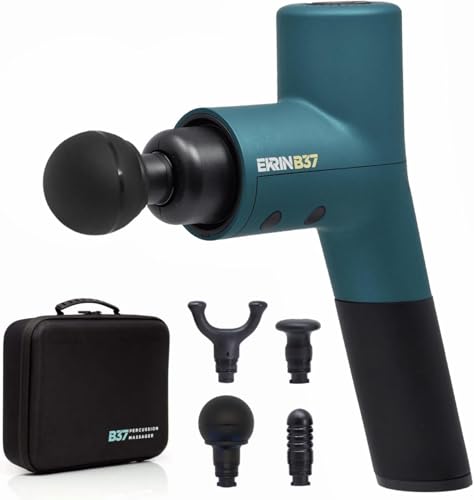 Visit on Amazon → Visit on Amazon →Ekrin Athletics B37v2 Massage Gun |
Large muscle bellies: quads, glutes, calves, upper back | 30 to 60 seconds per area, low to mid speed, keep the head moving | Neck, spine, ribs, joints, bruises |
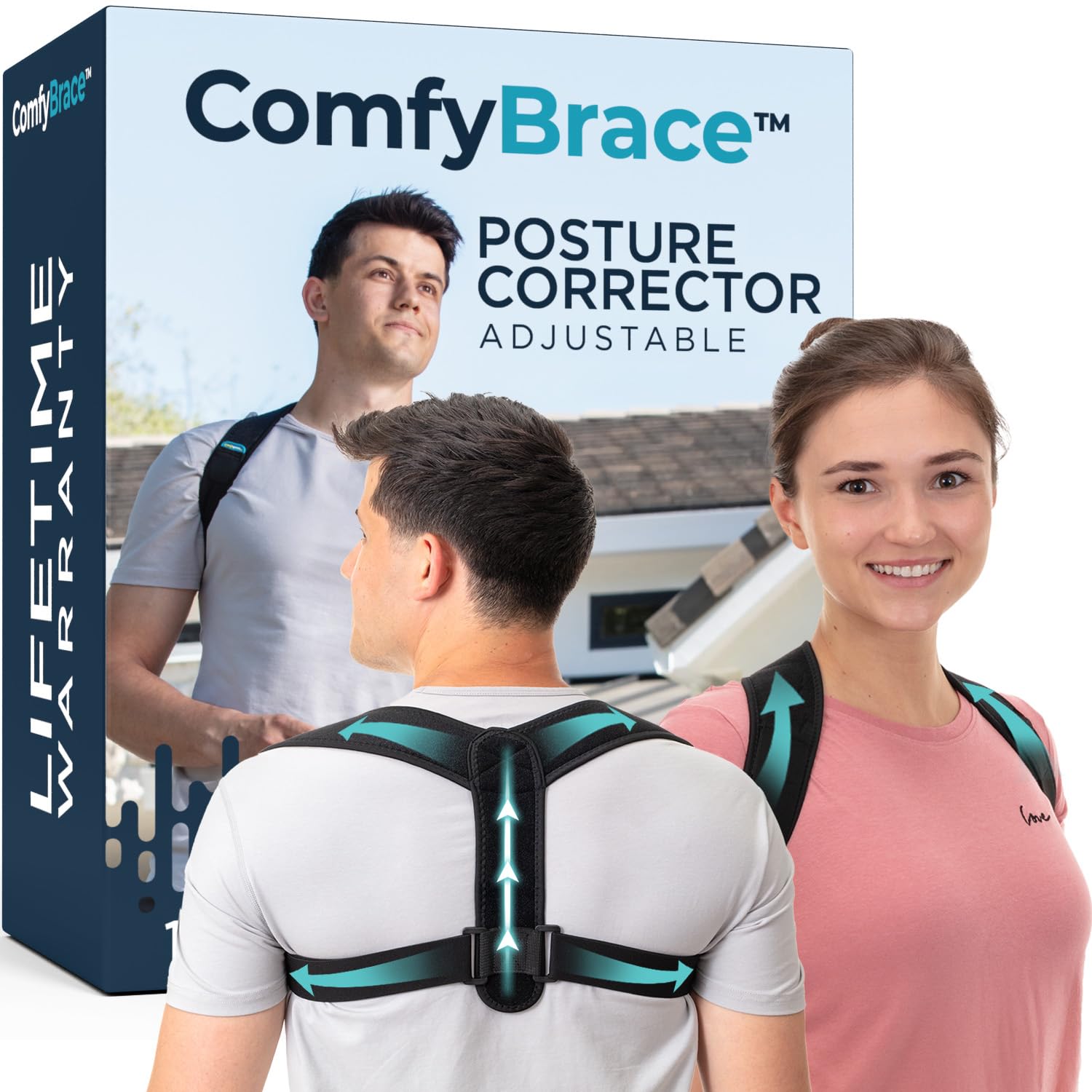 Visit on Amazon → Visit on Amazon →ComfyBrace Posture Corrector |
A reminder of upright posture during desk work | 20 to 30 minutes at a time, snug not tight | All day, overnight, at the gym, or as a substitute for strength work |
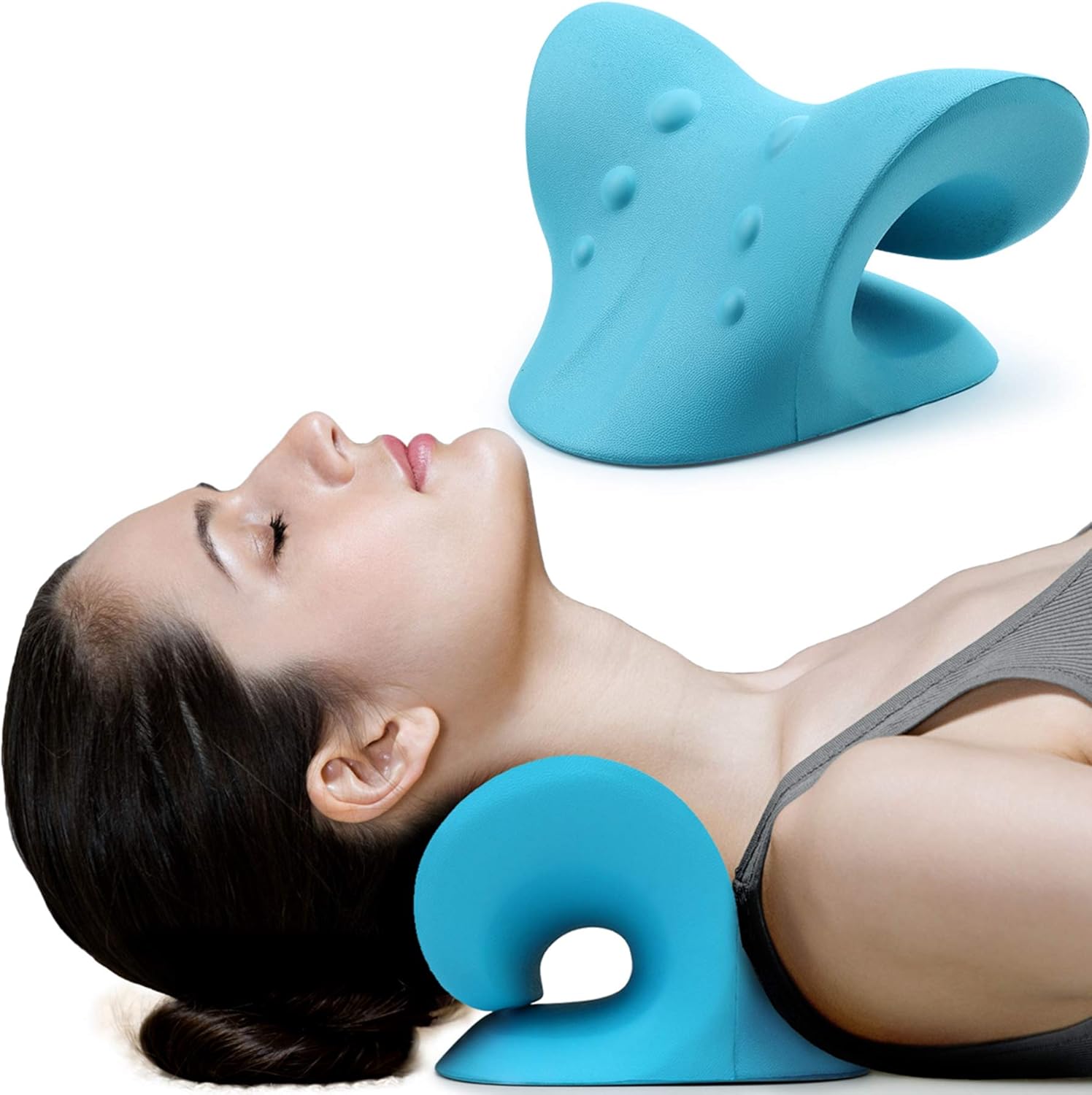 Visit on Amazon → Visit on Amazon →RESTCLOUD Neck and Shoulder Relaxer |
Ten minutes of gentle cervical traction on the floor | Once or twice daily, about 10 minutes, ease in and out | Sleeping, driving, or pushing through pain |
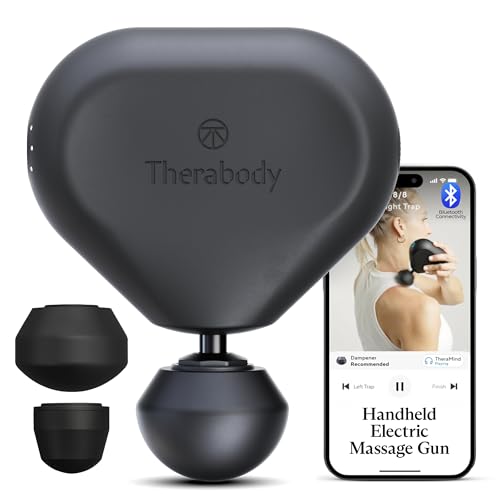 Visit on Amazon → Visit on Amazon →TheraGun Therabody Mini 3rd Gen |
Travel and smaller areas, on the road | Short sessions, low speed, same rules as any percussion tool | Neck and spine, same as any percussion tool |
The pattern in that last column is the point. Three of the four tools in this guide have a clear off limits zone, and two of those zones are your neck. If you remember nothing else, remember that.
RESTCLOUD Neck and Shoulder Relaxer
This is the tool in this guide that people either love immediately or cannot tolerate at all, and both reactions are honest. It is a cervical traction device: you lie on the floor, the curve of the cushion cradles your head, and gravity does the work. Ten minutes later you sit up and your neck feels longer. For someone who spends eight hours a day with their chin pushed forward, that ten minutes can be the best part of the day.
The blue version is the one to look at if color matters to you, which is a strange thing to care about in a piece of recovery equipment and yet here we are.
Two cautions. The first is that traction is a passive stretch of a delicate area, so if you have a diagnosed cervical condition, a history of neck injury, or radiating pain into your arm, ask your clinician before you start. The second is that this is a ten minute tool, not a pillow. It is not for sleeping, not for the couch, and not for driving. If it hurts while you are on it, you are done, and you should not push through it to hit a timer.
The product page mentions TMJ relief. Traction can help some people with jaw tension because the jaw and the upper neck share wiring, but I would not buy this specifically for your jaw. Buy it for your neck, and be pleasantly surprised if your jaw calms down too.
TheraGun Therabody Mini 3rd Gen
The Mini exists for one person: the one who travels and will not pack the full size gun. It is smaller, it is black, it is built to live in a bag, and it handles the same job on a smaller scale. If you fly twice a month and your calves seize up after long flights, this is the version of percussion that actually comes with you. The gun in your carry on beats the better gun on your nightstand every time.
What it is not is a stronger tool. Smaller devices deliver less amplitude, and less amplitude means you work a little longer to get the same effect. That is the trade for portability and it is a fair one. Just do not buy the Mini thinking you are getting the full size experience in a smaller package. Buy it because you will use it, which is the only reason to buy any recovery tool.
And the same rule applies, without exception. Muscles, not bones, not joints, and never your neck.
Should you buy the Ekrin Athletics B37v2?
Yes, if you understand what percussion is for. Five speeds means you can start gentle and stay gentle, which is how this tool is supposed to be used. The brushless motor keeps it quiet enough to use while you watch television, which is how it ends up getting used at all. Four attachments is the right number: enough to match the head to the muscle, not so many that you need a diagram.
But it belongs on muscle bellies. Quads, glutes, calves, the long span of your upper back. It does not belong on your neck, your spine, your ribs, or a joint. Most people buy a gun for their neck, which is precisely the place I tell them to keep it away from. If your neck is the problem, look at the traction device instead and let a clinician look at you.
Should you buy the ComfyBrace Posture Corrector?
Yes, with limits. It is the least expensive way to buy yourself a reminder of what upright feels like, and for someone who sits at a desk for eight hours, that reminder has real value. Twenty to thirty minutes at a time, snug but never tight, and off before it becomes a crutch.
What it will not do is build the strength that holds your shoulders back. You still have to do the rowing, the chin tucks, and the band work, and you still have to get up and move. The brace buys awareness. You buy the posture. If you go in knowing which one does which, this is a good purchase at a fair price, and it will not end up as another closet paperweight.