I have been a physical therapist for twelve years, and the last six have been in a clinic where people arrive with backs that "just hurt" and legs that "won't loosen up." In that time I have watched the same four purchases cycle through my treatment room: a cheap brace bought on impulse, a better brace bought after the first one disappointed, a wooden foot roller that lives under the couch, and an exercise program that was downloaded with real intentions and never opened. This posture corrector comparison is my attempt to sort those four honestly, because they are not interchangeable, they do not solve the same problem, and only one of them changes anything long term.
Related: How to Roll Your Quads Without Bruising Yourself
The best first buy here for most people is the adjustable posture corrector for women and men, but only as a twenty minute a day reminder, not as a cure. The thing that actually changes your posture is the exercise program, and the wooden foot roller solves a completely different problem.
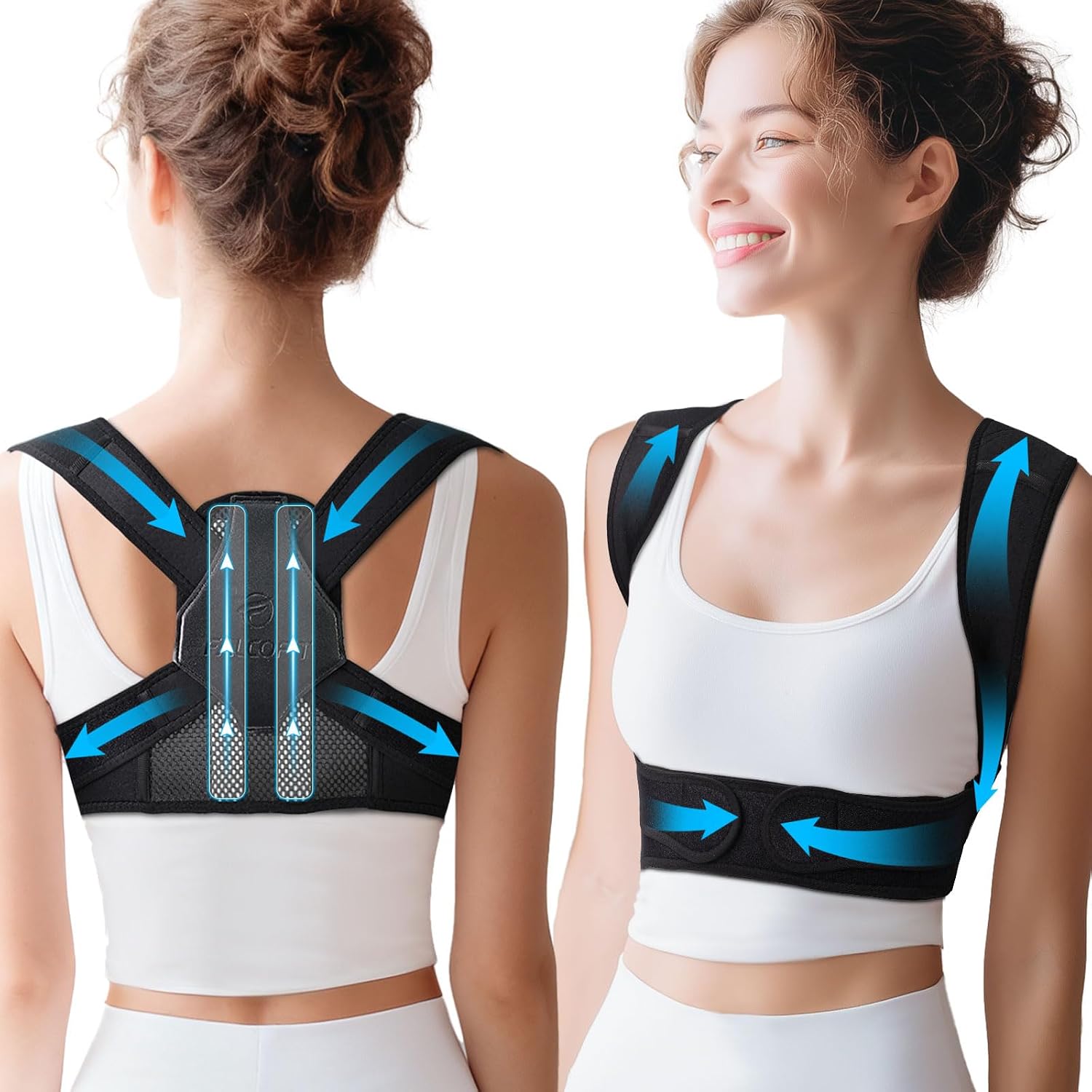
Posture Corrector for Women Back Straightener Hunchback Correction
Simple, light, easy to wear under a shirt, and a good first cue for someone who has never worn a brace
Light straps and a women's cut mean less support once you start moving, and a narrower fit than a unisex design
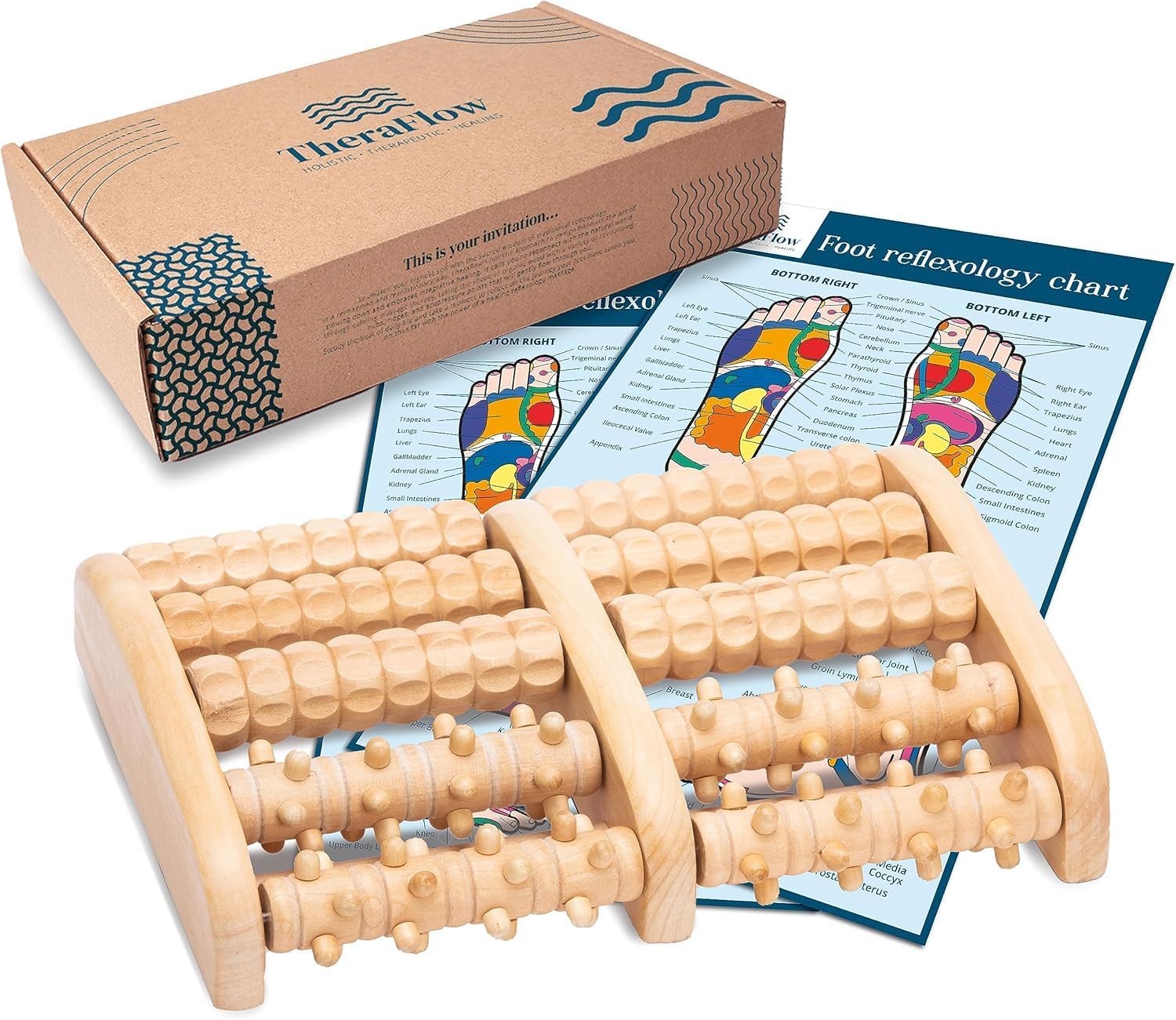
TheraFlow Foot Massager for Plantar Fasciitis Relief
Wooden, no batteries, nothing to inflate or deflate, and the nubs put honest pressure through the arch
It only helps feet. If your problem is calves or hips, this is the wrong tool
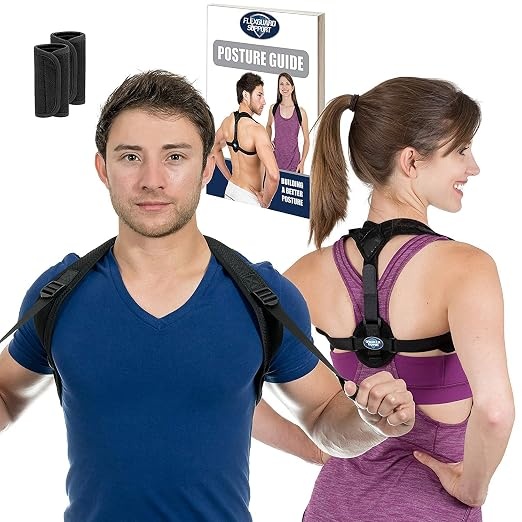
Posture Corrector for Women and Men, Adjustable Upper Back and Shoulder Brace Trainer
Adjustable straps, sized Medium/Large, and it draws the shoulders back and down instead of cranking them straight back
Still a brace. Wear it all day and your own muscles get lazy
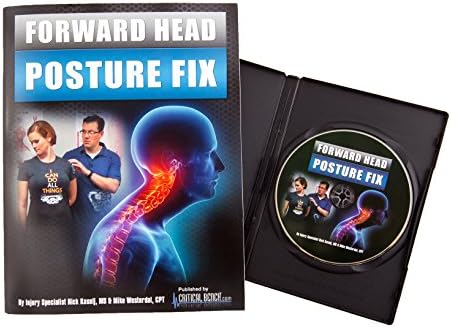
Exercises For Injuries Forward Head Posture Fix
The only product here that trains the muscles instead of propping them up, with trigger point work sequenced before strengthening
It requires you to actually do it, which is where most people quit
Prices and availability were captured from Amazon Creators API and may change.
How I judge posture and recovery gear
Three questions, every time. First, does the tool match a real clinical need, or does it match a marketing category? A brace that reminds you where your shoulders are is useful. A brace that promises to correct a hunchback while you sit in it for eight hours is a marketing category. Second, can a normal person use it without hurting themselves? If the answer requires a demonstration, it is not a home product. Third, will it survive six months of real use? Inflatable anything, straps that stretch out, and foam that flattens in a season all fail that test.
I do not care how a product is described on the box. "Deep tissue" printed on a soft roller is a pet peeve of mine, and so is any tool that implies you need pain to make progress. Pain during rolling is a signal to back off, not a badge of honor. If you are crying, you are not recovering.
The budget back straightener
The first posture corrector here is the simplest thing in the group. It is a light, women's fit back straightener, the kind you put on like a backpack, with straps over the shoulders and a band across the upper back. It draws your shoulders into a slightly better position and, more importantly, it makes you aware of where your shoulders actually are.
That awareness is the entire value. I prescribe braces this way: twenty minutes, once or twice a day, while you are doing something else. Wear it while you answer email, then take it off and try to hold the position yourself. If you can hold it for a minute without the brace, the brace is working. If you cannot hold it for a second, the brace is doing the work and your muscles are on vacation.
The limits are obvious. It is a light duty product. Once you start lifting, reaching, or carrying, the support disappears, and that is fine, because you should not be lifting in a brace anyway. The women's cut is a real consideration. The straps sit differently than a unisex design and the shape is narrower through the chest. If you have a broader frame or you want something you can tighten as you improve, the next option is the better fit.
The adjustable upper back and shoulder trainer
The second posture corrector is the one I would hand to most adults. It is adjustable, it is sized Medium/Large rather than one size fits all, and it addresses slouching, neck hump posture, and hunched shoulders with a strap configuration that draws the shoulders back and down rather than simply back. That direction matters. Pulling shoulders straight back is how you end up with a pinched feeling between the shoulder blades. Pulling them back and slightly down is how the shoulder blade actually sits on the rib cage.
The adjustability is what makes it usable. You can start loose, which is the correct way to start, and tighten as your tolerance improves. Most people crank a brace as tight as it will go on day one, wear it for three hours, and then decide braces are torture. Start at a tension where you can still breathe into your belly and shrug your shoulders. If you cannot shrug, it is too tight.
The trade-off is the same as every brace. It is a reminder, not a trainer. Your deep neck flexors and mid back muscles do not get stronger because a strap is holding them. They get stronger when you ask them to work, which is exactly why the last product in this comparison exists.
And one hard rule: braces go on the torso, never on the neck. If you see a device that pulls your chin up or wraps the neck, walk away. I have seen the injuries from that category and they are not worth discussing.
The wooden foot roller
The TheraFlow foot massager is the odd one out here, and I mean that as a compliment. It is a wooden foot roller with reflexology nubs and a chart included, and it does not pretend to fix your posture. It addresses your feet, or more precisely, it gives you a way to put pressure through the arch and the plantar surface without standing on a golf ball and hoping for the best.
Wood is the right material for this. It does not compress, it does not deflate, and it does not need batteries. Roll it under your desk while you work, two minutes per foot, pressure that is uncomfortable but not painful. People dealing with plantar fasciitis symptoms often find that a few minutes of rolling before they stand up in the morning takes the edge off the first steps of the day, and that first step is usually the worst one.
Where it loses is scope. A foot roller does nothing for your calves, your hips, or your posture. If your foot pain traces back to a calf that will not let your ankle move, the roller is treating a symptom while the calf is the cause. Pair it with a firm roller on the calf and it earns its place. Use it alone and it is a very good tool for one very specific job.
One more note: treat the included reflexology chart as a map of where the nubs are, not as a medical document. I say the same thing about every chart that ships with a recovery tool.
The exercise program
The Forward Head Posture Fix program is the only product in this group that asks something of you, and that is why it is the one I would keep if I could keep only one. It is built around trigger point work and strengthening for the muscles that hold your head over your shoulders instead of in front of them. Neck aches, a forward head, and the tension that comes with both are usually a strength and position problem, not a brace problem.
The sequence that works is boring and it is the same one I use in the clinic. Release the tight tissue, then strengthen the weak tissue, then practice holding the new position while you do something normal like walking or typing. Trigger point work without strengthening just makes a loose, unhappy neck. Strengthening without release just makes a strong, tight neck. You need both, and a program that sequences them for you removes the guesswork.
The honest caveat is adherence. Nobody fails this program because the exercises are wrong. They fail because it is Tuesday and they are tired. If you will not do fifteen minutes three times a week, buy the brace instead and at least get the awareness benefit. If you will do the work, this is the only item here that changes your default posture when you are not thinking about it.
Where each one loses
The budget straightener loses on support and on fit for broader frames. The adjustable trainer loses on dependency if you treat it as a full time garment. The foot roller loses on scope. The exercise program loses on the fact that it requires you to show up.
None of those are reasons to avoid these products. They are reasons to buy the right one for the problem you actually have, which is usually not the problem the product page is shouting about.
Who should buy what
If you sit at a desk, you have started noticing your shoulders rounding, and you want a nudge, the adjustable posture corrector is the pick. Wear it twenty minutes a day, then take it off and hold the position yourself.
If you are smaller framed and want the least expensive way to build awareness, the women's back straightener does that job. It is a starter tool and it behaves like one.
If your feet hurt on the first steps of the morning, the wooden roller is the most useful thing in this article for you, and it will outlive every plastic gadget in your house.
If your neck aches, your head sits forward, and you are willing to do the work, the exercise program is the one that changes the pattern. Open it the day it arrives and put it in your calendar. A program you do not do is a paperweight, and so is a roller you keep in the closet.
What I'm testing next
I am working through a batch of 2026 recovery gear with a pressure mapped protocol, and the marketing is getting more creative than the engineering. The next question on my bench is whether a firm roller and a two minute calf routine beats a vibrating roller for morning foot pain, which is something I get asked weekly. I will report back when enough patients have been through it for me to say something honest.