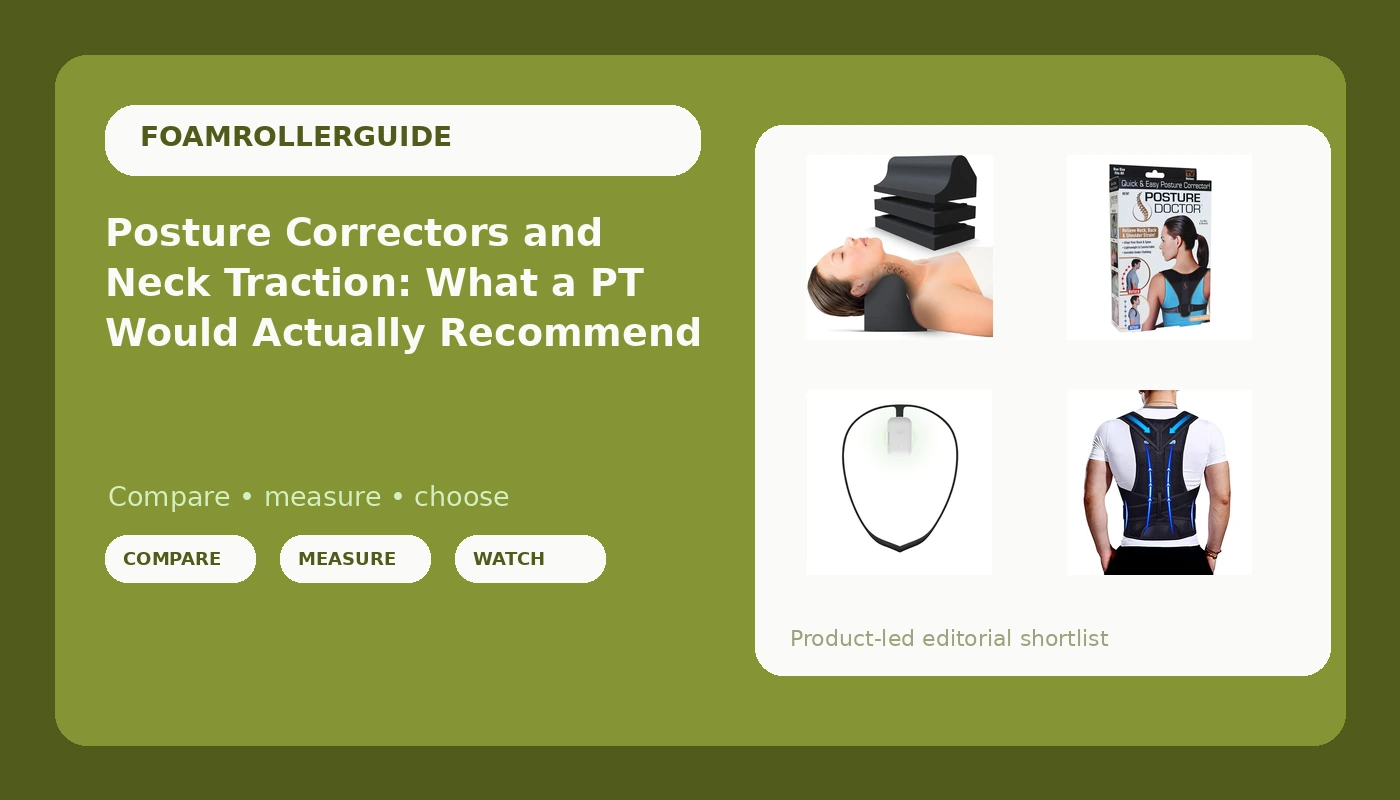
Related: Best Foam Rollers for Upper Back Tension
I have spent twelve years treating backs and necks in a Minneapolis clinic, and half of that time has gone into talking people out of the idea that one device will fix their posture. It will not. What posture correctors and neck traction devices can do is give you feedback and a few minutes of relief while you build the strength and the habits that actually hold your head up.
That is the frame for everything in this guide. I am not here to tell you this gear is junk, because a well-used brace or trainer has a real job. I am also not going to pretend a strap undoes ten years at a laptop. The people who get the most out of these tools treat them like training wheels: short deliberate doses, strengthening work in parallel, and gradually less need for the device over time.
Below I go through the four posture tools I get asked about most, in the order I would hand them to a patient. For each one I cover who it actually suits, how long to wear it, and the mistake I see in week one that sends people back to my treatment room with a new sore spot. There is also a reference table near the end with starting session lengths and the job each device does, so you can compare them without reading four different listings.
One rule before you buy anything: pain during use is a sign to back off, not a badge of honor. If you are grimacing, you are not recovering, and you are not training anything useful.
Best Overall: Upright Bundle: GO 2 Premium Posture Trainer & Black Magnetic Necklace
If I had to hand one tool to a patient who sits at a desk all day, it would be this bundle. The GO 2 is a trainer rather than a brace, and that distinction matters more to me than any feature list. It sits against your upper back, senses when you slump, and gives you a gentle vibration to bring you back to a stacked position. Nothing pulls your shoulders back for you. You do the work, and the device just tells you when you have stopped doing it.
That is the correct division of labor. A posture trainer gives you information, and information is what changes behavior. Fifteen to thirty minutes at a time, once or twice a day, is plenty. The magnetic necklace in the bundle is a sensible extra for days when you want a lighter reminder, or for people who work from home and forget to stand up at all.
What it will not do is strengthen your upper back, open your chest, or fix forward head posture on its own. You still need chin tucks, rows, and wall angels, and you still need to get out of the chair every hour. Think of the GO 2 as the coach that taps you on the shoulder. The reps are still yours.
Best Value: Ontel Posture Doctor Quick & Easy Posture Corrector
The Posture Doctor is the simplest thing in this guide: a strap that goes over your shoulders and holds them back in a more neutral position while you wear it. If you have ever wondered whether external cueing helps you at all, this is the cheapest way to find out, and that is exactly why I put it here. It goes on in seconds, it adjusts easily, and it asks nothing of you while it is on.
That last point is also the caution. A strap that holds you up is not training you to hold yourself up. Wear it for fifteen to twenty minutes while you are doing something else, like answering email or cooking, then take it off and try to keep the position on your own. If your armpits or the front of your shoulders start aching, it is too tight, and you do not get bonus points for enduring it.
Do not sleep in it. Do not wear it for a full workday. Do not use it as a substitute for the strengthening work, because the muscles you are not using are the muscles that got you here. Used in short doses, it is a fine, inexpensive experiment, and a lot of people learn something useful about their own habits from one week with a strap.
Best Full Back Support: Upgraded Posture Corrector Back Brace
This brace covers the most ground of the four. Where the Ontel strap focuses on pulling the shoulders back, this one wraps the upper back, the shoulders, and the lumbar area, which makes it the pick for people whose complaint is less about the neck and more about a tired mid-back or a low back that aches after an hour on their feet.
I would hand this to someone who stands for work, or who wants support during chores, gardening, or long stretches of standing rather than desk work. The adjustable straps let you dial in how much pull you get, and I would start light. Twenty minutes the first day, then add time only if you feel fine afterward. A brace cranked tight enough to change how you breathe is not doing you any favors.
Two rules. First, take it off before you lift anything heavy or do your strengthening exercises, because you want your own muscles doing that work. Second, treat it as a tool with an end date. If you are still wearing it six hours a day three months from now and you have not built any capacity underneath it, the brace has become the problem.
Best for Neck and Forward Head Posture: Cervical Traction Orthotic
This is the most clinical device in the group, and the one I am most careful about recommending. The cervical traction orthotic supports your neck in a corrected alignment while you lie down, which lets gravity and a few minutes of stillness do gentle work on the muscles at the base of your skull and along the front of your neck. For the forward head posture crowd, the people whose heads sit an inch or two ahead of their shoulders all day, that can be a genuinely useful reset.
Use it for ten to fifteen minutes, once a day, on a flat surface. Start shorter than you think you need, because the first session often feels wonderful and the second one is where people overdo it. Gentle is the whole point. If you feel a light stretch, that is fine. If you feel sharp pain, tingling, or numbness running into an arm, stop and talk to a clinician before using it again. Anyone with a recent neck injury, disc trouble, or radiating symptoms should be cleared before trying traction of any kind.
Do not leave it on and fall asleep. Do not use it as a pillow. It is a ten-minute tool, not a bed.
How I evaluate posture gear
Every device here gets judged on the same five questions, and none of them are about how the listing photographs.
Does it cue, or does it carry? A trainer that reminds you to sit up leaves the work with you. A brace that holds you up takes the work away. Both have a place, but they are not interchangeable, and most of the confusion in this category comes from treating a carrier like a trainer.
Can a normal person put it on without help? If a device needs a second person, a mirror, and a diagram every morning, it ends up in a drawer. I care more about that than about any feature list.
Does it fit a routine you already have? The best posture tool is the one you actually use, and the ones that work are the ones you can wear while doing something else.
What is the exit plan? Anything that supports you should come with a plan to need it less. I want patients doing the strengthening work alongside the device, not instead of it.
What does it cost you in attention? If you are thinking about the strap all day, you are not thinking about your work, and you will stop wearing it by week two. Discomfort is not a feature.
What these devices can and cannot do
Here is the part the marketing copy leaves out. Posture and pain are related, but not as tightly as the ads suggest. Plenty of people with textbook alignment have pain, and plenty of people who slouch have none. What actually changes how you feel is load, time, and capacity: how much you ask of the tissue, for how long, and how much it can handle.
That means a brace or a trainer is a behavior tool, not a treatment. It changes what you notice and what you do for the twenty minutes you wear it. It does not lengthen a tight chest, it does not break up anything in the tissue, and it does not replace the boring work of strengthening the muscles between your shoulder blades.
What these devices do well is interrupt. They interrupt the eight-hour slump, they interrupt the habit of carrying your head forward, and they interrupt the belief that nothing about your posture can change. That interruption is worth something, and it is worth more when it is paired with movement breaks, two strengthening sessions a week, and a firm foam roller for the upper back tension that builds up along the way.
Where they go wrong is dose. Two hours in a brace does not do four times the good of thirty minutes. It just gives your muscles four times as long to check out.
The posture gear reference table
This is the table I keep in my head when patients ask which one to buy. Session lengths are starting points for a healthy adult with no acute injury, not prescriptions. Start at the low end, and if you feel worse the next day, cut the time in half or skip a day.
| Device | Best for | Starting session | Notes |
|---|---|---|---|
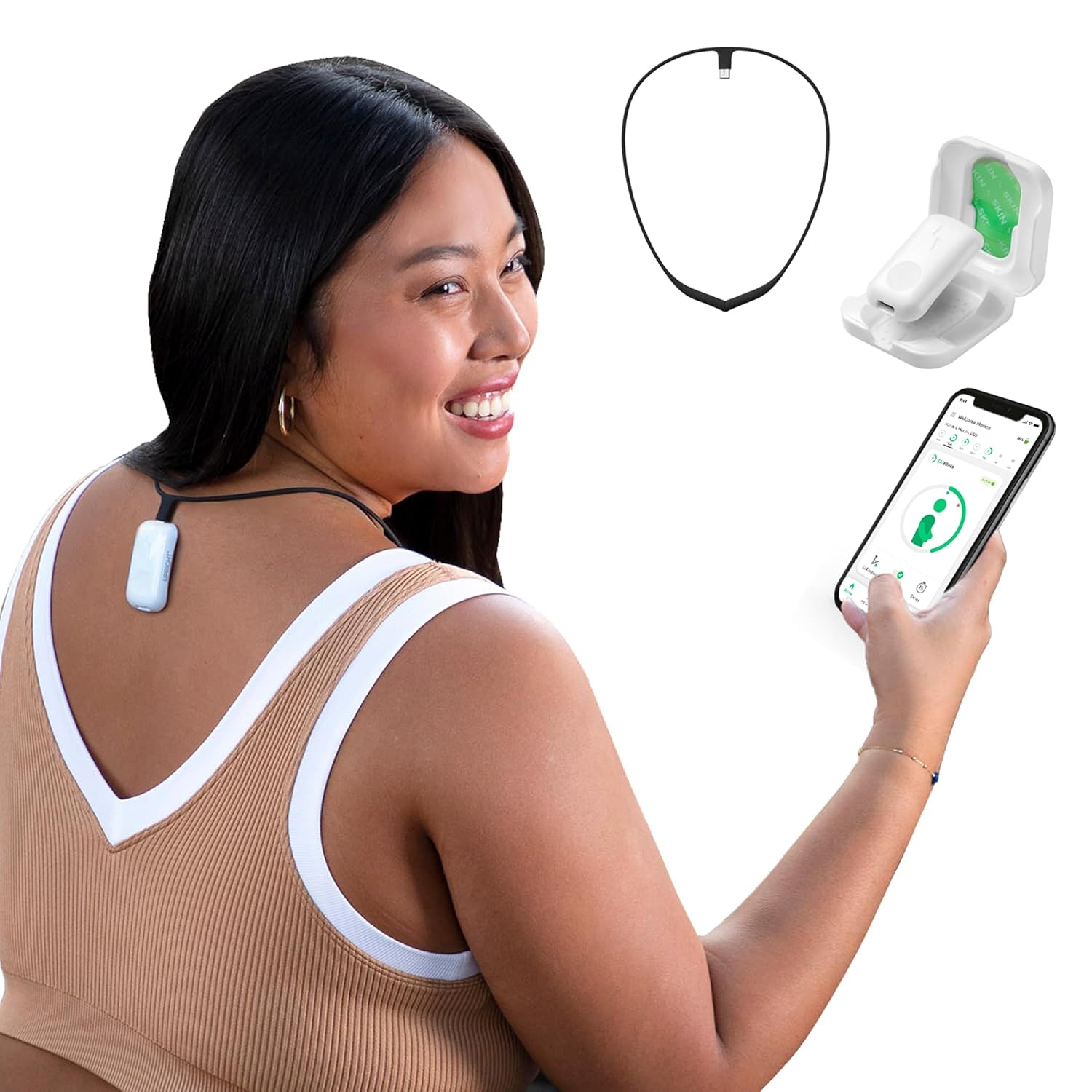 Visit on Amazon → Upright GO 2 Premium Posture Trainer bundle |
Desk work, standing work | 15 to 30 min, 1 to 2 times daily | Cues you, does not carry you; necklace is a lighter reminder |
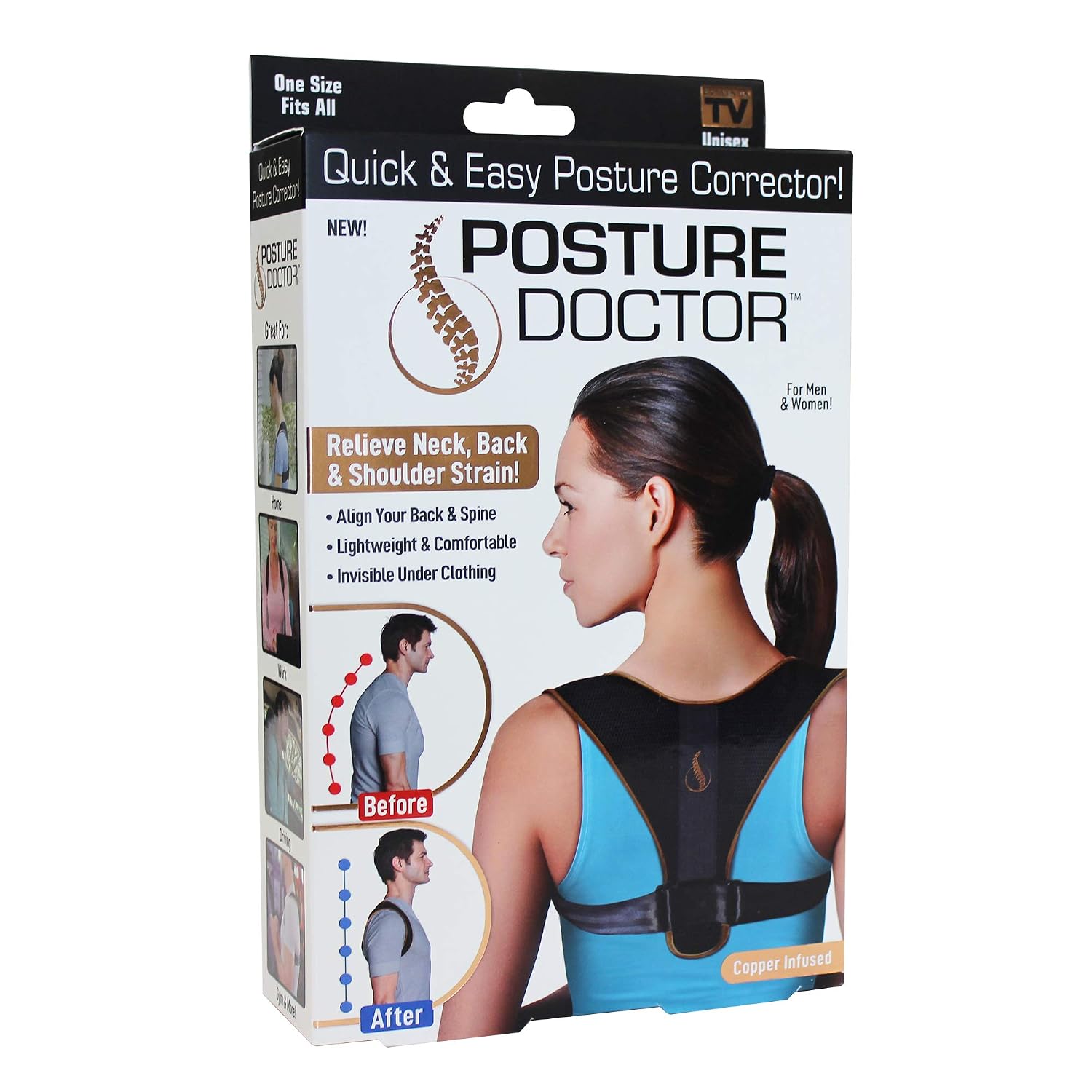 Visit on Amazon → Ontel Posture Doctor |
Testing whether external cueing helps at all | 15 to 20 min, once daily | Least expensive entry point; never sleep in it |
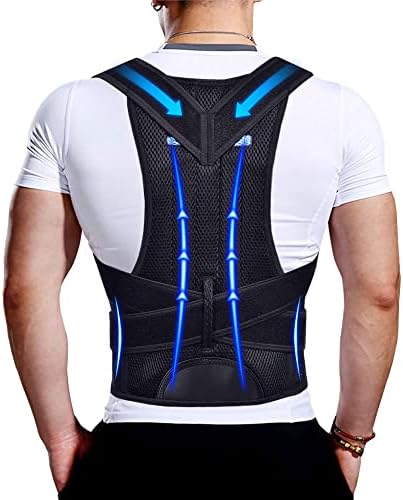 Visit on Amazon → Upgraded Posture Corrector Back Brace |
Standing work, chores, tired mid-back and low back | 20 min, work up slowly | Take it off for lifting and strengthening |
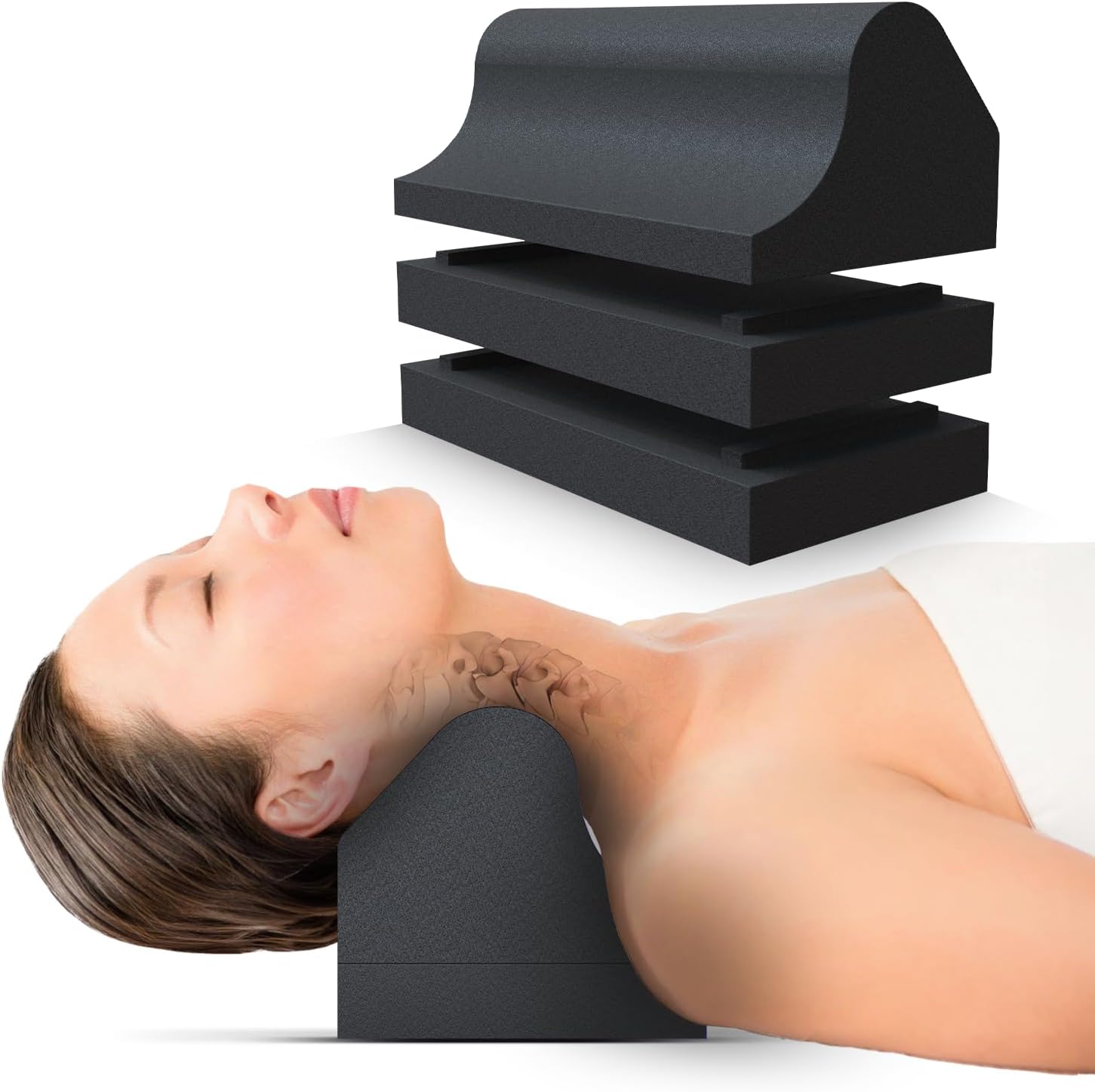 Visit on Amazon → Cervical Traction Orthotic |
Forward head posture, neck tension | 10 to 15 min, once daily | Flat surface only; stop if you feel tingling or numbness |
| Firm foam roller | Upper back and shoulder blade tension | 1 to 2 min per area | Roll the upper back, never the low back or the neck |
| Chin tucks and wall angels | Building the capacity to hold the position | 2 sets of 10, daily | Free, and the part that actually lasts |
The pattern in that table is simple. The devices with a shorter session length are the ones doing more delicate work, and the ones you can wear longer are the ones you should be more suspicious of. Time in a brace is not a measure of effort.
Should you buy the Upright GO 2 Premium Posture Trainer?
Yes, if you want a tool that teaches instead of props. It cues you when you slouch, it leaves the actual work with your muscles, and the magnetic necklace gives you a lighter option for days when you do not want anything on your back. Wear it in fifteen to thirty minute blocks while you work, and pair it with two or three minutes of chin tucks and wall angels a day.
Buy it if you are willing to do that work. Skip it if you want something that will hold you up while you sit, because that is not the job it does.
Should you buy the Ontel Posture Doctor?
Yes, if you want to test the whole idea inexpensively before spending more. It is the simplest strap here, it goes on in seconds, and a week with it will tell you a lot about how often you slouch and how much external cueing actually helps you.
Keep the doses short, take it off for anything strenuous, and do not sleep in it. A strap is a starting point, not a finish line.
If your main complaint is a tired mid-back or low back after standing, the Upgraded Posture Corrector Back Brace is the one with the most coverage, and if your head sits forward of your shoulders all day, the Cervical Traction Orthotic is the one worth ten minutes on the floor. Whichever you choose, remember the rule I give every patient: the device is there to remind you, and you are still the one doing the work.