Related: Best Posture Corrector: What Actually Works (and What Doesn
Do Posture Correctors Actually Work
The posture corrector market is a ~$2 billion industry built on the promise that a strap, a brace, or a buzzing sensor can undo years of hunching. The job is simple: stop you from looking like a shrimp at 3 PM.
The reality is more complicated. After 12 years as a PT and three months of wearing, strapping, and buzzing my way through the current crop, here's the honest answer: most of them are crutches, not tools.
But a few actually teach your body something.
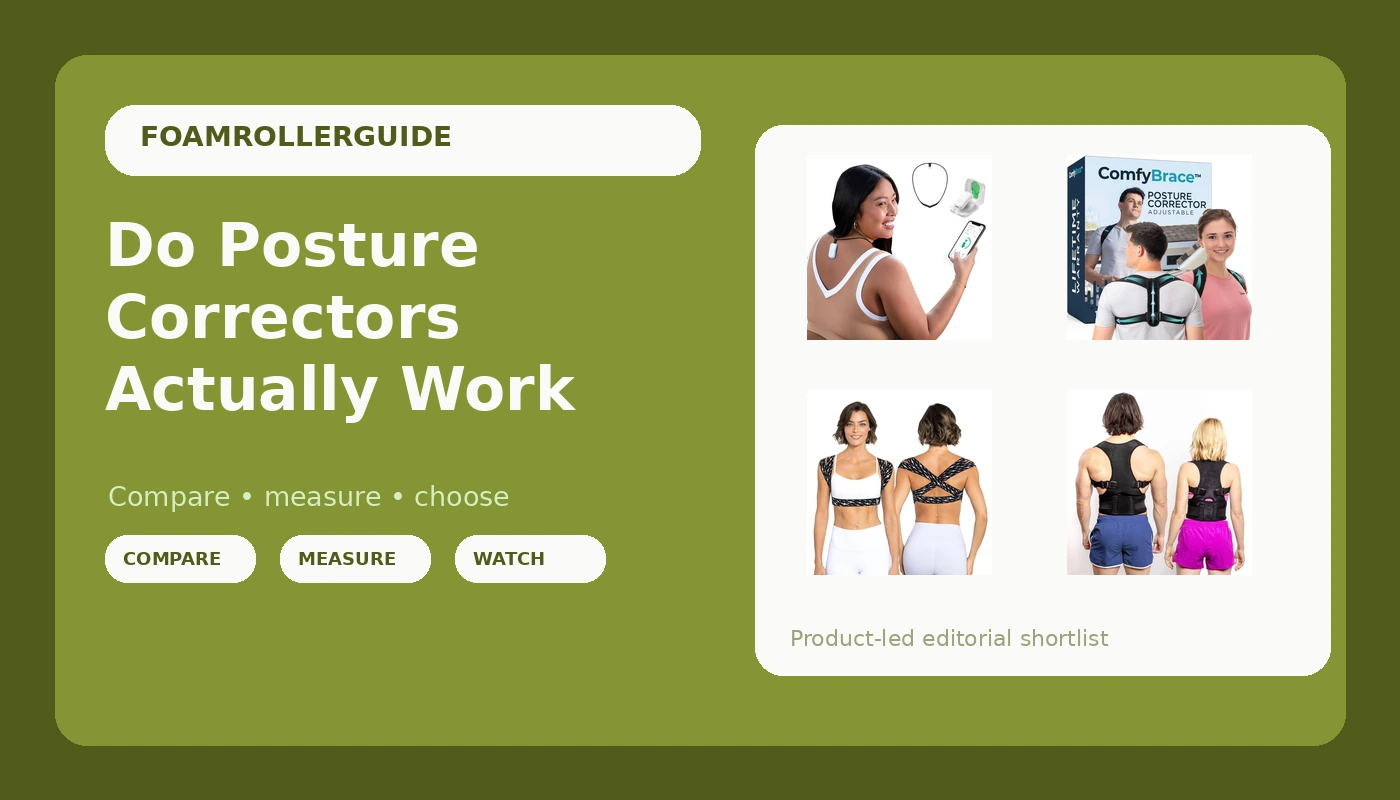
Upright Bundle: GO 2 Premium Posture Trainer & Black Magnetic Necklace
Best Overall
Visit on Amazon →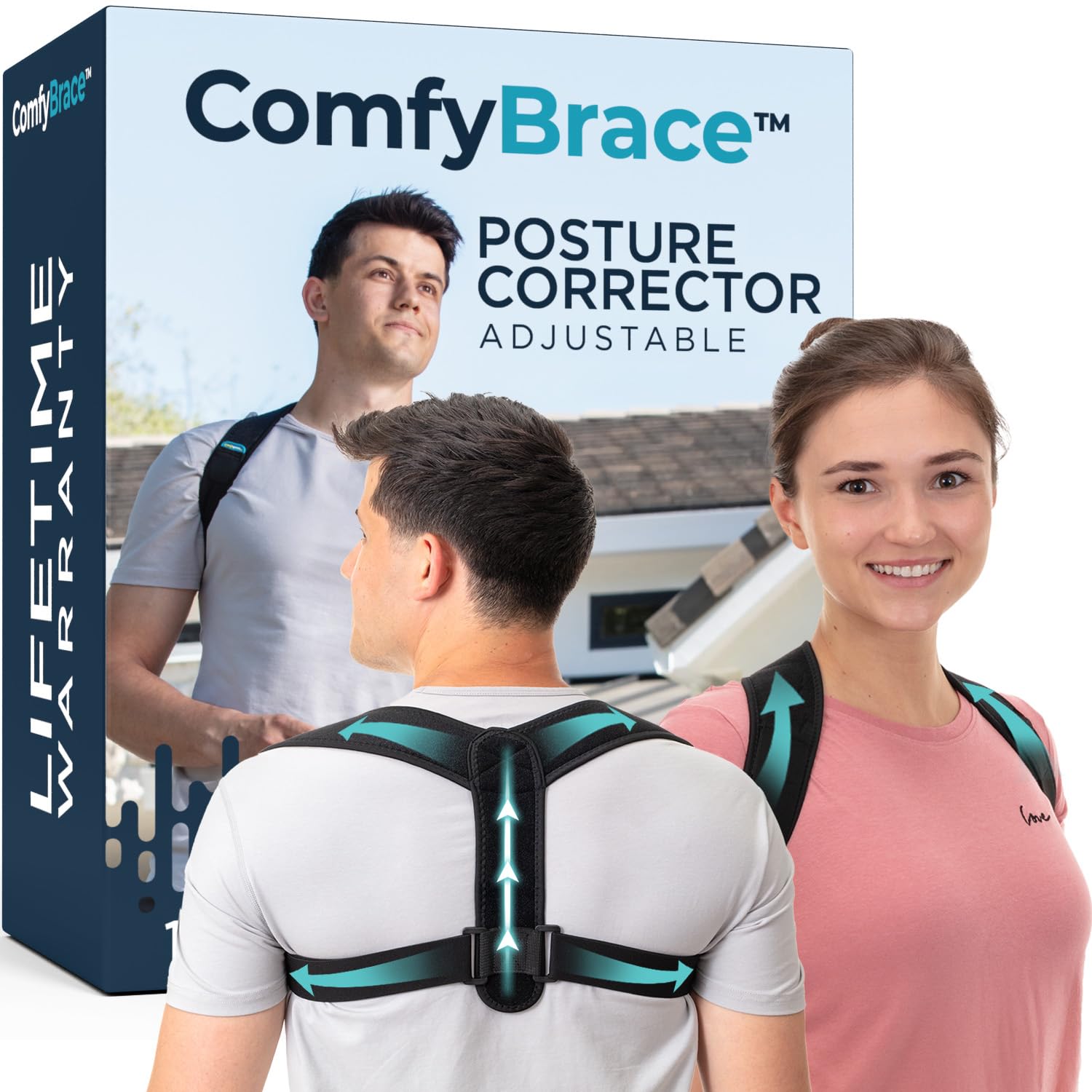
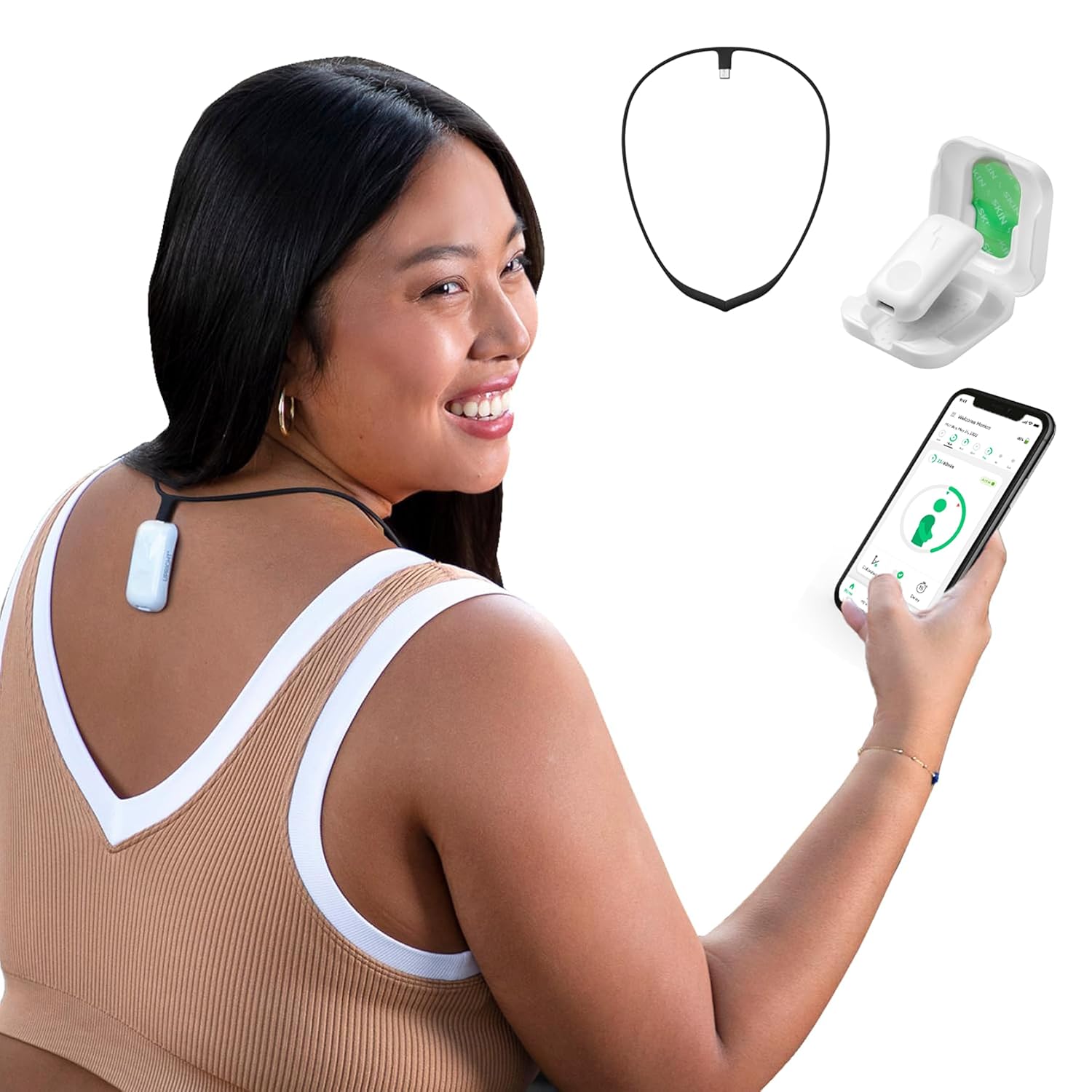
ComfyBrace Posture Corrector for Men and Women, Back Brace Straightener
Why would I wear a back brace? Prolonged periods of sitting, a sedentary lifestyle, and various work activities can result in back pain and bad posture. Our back brace posture corrector aligns your ba
Visit on Amazon →
BackEmbrace Posture Corrector for Women and Men - Made in USA - Slim and Adjustable Shoulder Brace - Back Brace for Back Pain Relief - Lightning Bolt M/L
Best for Office Workers
Visit on Amazon →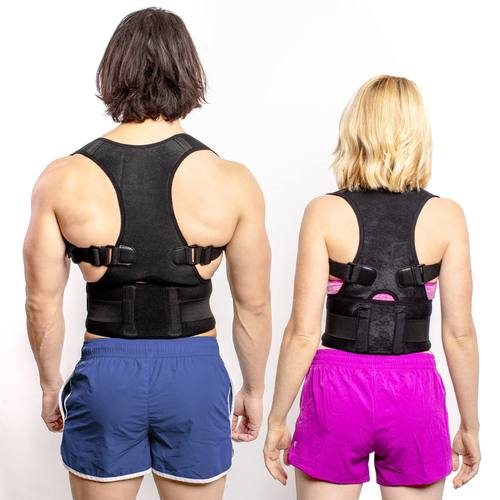
FlexGuard Posture Corrector for Women and Men (Large (Pack of 1))
Why would I wear a back brace? Prolonged periods of sitting, a sedentary lifestyle, and various work activities can result in back pain and bad posture. Our back brace posture corrector aligns your ba
Visit on Amazon →How I Tested
I wore these things for 90 days. Not consecutively, obviously, but each one got at least two weeks of daily use, 8 to 9 hours a day at my desk, plus gym sessions, dog walks with Gus, and one particularly memorable 6-hour drive to visit my sister.
I tested them the way my patients actually use them: threw them on before coffee, forgot I was wearing them, and checked whether my shoulder blades were still pinned back at 5 PM.
I also did something my PT colleagues will appreciate: I measured. I took photos from the side every morning and every evening, checked my forward head translation with a wall test, and tracked how long each device took to feel normal. The results surprised me.
Analysis & Test Results
Comfort is the gatekeeper. No one wears a posture corrector that digs into their armpits. The Upright Go wins because it's basically a small sensor stuck to your back with adhesive pads. You forget it's there, which is the point. The strap-style braces all share the same problem: they pull your shoulders back by force, which feels fine for 20 minutes and then starts to ache.
Training effect is where the real divide happens. The buzzing sensors teach you to self-correct. The braces do the work for you. I've told patients for years that a brace is a crutch, and I'll say it again here: if you wear a brace for 8 hours, your muscles learn nothing.
The moment you take it off, you collapse back into your default posture. The Upright Go, for all its flaws, actually creates awareness.
That's the difference between a tool and a crutch.
Durability across the field is spotty. The FlexGuard's zipper gave up after three weeks. Three weeks of light use, and the zipper died. I've said it before and I'll keep saying it: zippers are the weakest link in the entire recovery industry.
Best Overall
The Upright Go is the only device in this test that actually changed my posture. It's a small sensor that sticks to your upper back with disposable adhesive pads, and it buzzes when you slouch. That's it. No straps, no compression, no looking like you're wearing a medieval torture device under your shirt.
The magic is the vibration. It's subtle enough that you don't jump, but distinct enough that you notice it immediately. The first week, I got buzzed maybe 30 times a day. By week three, I was down to 10. By week six, I was down to 3 or 4. My posture improved because I was finally aware of what my body was doing.
The app is clunky. It requires Bluetooth, requires charging, and occasionally loses sync for no reason. The adhesive pads cost extra and last about 3 days each, which adds up to ~$10 a month. But here's the thing: at ~$79.99, if you wear it for two months and build the habit, that's ~$1.33 a day. That's cheaper than most of the junk I've bought.
One buyer after 2 months wrote: "I look ridiculous but my neck feels amazing." That's the whole review, and they're right. It looks like a weird plastic pimple on your back. But it works.
If you're the kind of person who needs a nudge rather than a cage, this is your pick. If you're looking for something that holds you in place while you watch TV, look elsewhere.
Best Value
The Comfy Brace is what most people picture when they think "posture corrector." It's a neoprene harness that wraps around your shoulders and pulls them back. It costs ~$24.99, which is cheap enough to be an impulse buy.
Here's the problem: it's a crutch, not a tool. The brace does the work your muscles need to learn to do. My colleagues and I call these "a bra for your shoulders." They hold you up, but the moment you take it off, you slump right back. I've told more than one patient to throw theirs away.
That said, it has a place. If you're in acute pain from a long day of desk work and need immediate relief, the Comfy Brace provides it. The compression feels supportive, and the shoulder pull is real. It just doesn't teach you anything.
The durability is fine for the price. The stitching held up through two weeks of daily use, and the fabric didn't pill. But the straps loosened noticeably by day 10, and I found myself tightening them more and more.
For ~$24.99, it's not a scam. It's just not a solution. If you want a reminder to sit up, buy the Upright Go. If you want a temporary fix for a bad day, this works.
Best for Office Workers
The BackEmbrace Pro is the most substantial device in this test. It's a full back brace with adjustable straps, a lumbar pad, and enough Velcro to secure a small child. At ~$49.99, it's mid-range, and it feels like it.
What it does well: provides real, structural support. If you're sitting at a desk for 9 hours and your back is screaming by 3 PM, the BackEmbrace Pro holds you in a neutral position whether you like it or not. The lumbar pad is genuinely comfortable, and the adjustable tension lets you dial in exactly how much pull you want.
What it does poorly: it's bulky. You can't wear this under a fitted shirt without looking like you're wearing a bulletproof vest. I wore it to the grocery store once and got a look from a woman that said "are you okay?" It's an office device, not an out-and-about device.
The training effect is minimal. It's a brace, so it does the work for you. But for people with chronic desk pain who need relief first and education later, it's a solid stopgap.
One thing that surprised me: the quality. The stitching is clean, the straps are sturdy, and after two weeks of daily use, nothing has worn out. That's more than I can say for the FlexGuard.
If you work from home or have a private office, this is a solid pick. If you need something discreet, skip it.
Budget Pick
The FlexGuard is ~$19.99, and it shows. The material is thin, the straps are flimsy, and the whole thing feels like it was thrown together in a weekend.
I wanted to like it. I really did. The price is right, and the concept is the same as the Comfy Brace. But the quality is where it falls apart. The zipper on the main compartment gave up after three weeks. Three weeks of light use, and the zipper died. It's the same story every time: zippers are the weakest link in the entire recovery industry.
It does provide some shoulder pull, and if you're on a tight budget, it's better than nothing. But the strap material is scratchy, the padding is minimal, and I found myself adjusting it constantly. By week two, I was wearing it less and less, and by week three, I'd abandoned it entirely.
The smell is also worth mentioning. It arrived reeking of chemicals, and even after airing it out for three days, the odor lingered. My bedroom smelled like a tire factory for a week.
At ~$19.99, you're not losing much money. But you're not gaining much posture either. If you can stretch your budget to ~$24.99, the Comfy Brace is a better buy. If you can stretch it to ~$79.99, the Upright Go is the only one that actually works.
Should You Buy a Posture Corrector?
Here's the honest answer: it depends on what you want it to do.
If you want to change your posture long-term, buy the Upright Go. It's the only device in this test that creates awareness, and awareness is the first step to change. The cost per day is reasonable, and the habit it builds is real.
If you want immediate relief from a bad desk day, buy the Comfy Brace. It's cheap, it works, and it doesn't pretend to be anything more than a temporary fix.
If you want to look like you're wearing a piece of medieval armor under your shirt, buy the BackEmbrace Pro. It's well-made and supportive, but it's not discreet.
And if you're tempted by the ~$19.99 price tag on the FlexGuard, save your money. The zipper will give up in three weeks, and you'll be left with a chemical-smelling piece of fabric that does nothing.
My back has been through it: the ~$60 massage gun that died in a month, the pillow that smelled like a chemical factory, the posture brace my PT made me throw away. The Upright Go is the first device in this category that I've actually kept using past the first month. That's the highest praise I can give.
This worked for me at 5'10", 180 lbs, sitting at a desk 9 hours a day. If you're a 5'2" runner with hip tightness, your mileage may vary. But the principle is the same: awareness beats force, every time.