I have spent twelve years as a physical therapist in Minneapolis watching people buy recovery gear for the wrong reason. They buy the thing that promises the biggest transformation, use it four times, and retire it to the closet next to the ab roller. So when I compare posture and recovery tools, I am not asking which one is the most powerful. I am asking which one fits a routine you will actually keep.
The four tools in this comparison do four different jobs, and that is the whole point. Two are percussion devices built for muscle. One is a wearable that cues shoulder position. One is a cervical traction device that works on the neck. If you are shopping for one of these and wondering whether you should buy a different one instead, the honest answer is that they are not substitutes for each other. They are different prescriptions for different problems.
The best posture and recovery tool for most people is a massage gun, because muscle is where most of the tightness actually lives, and percussion lets you dose pressure without guessing. But "most people" is doing a lot of work in that sentence. If your complaint is a stiff neck and a forward head, the answer changes. If your complaint is that you slouch for nine hours a day, the answer changes again.
Here is how the four compare.
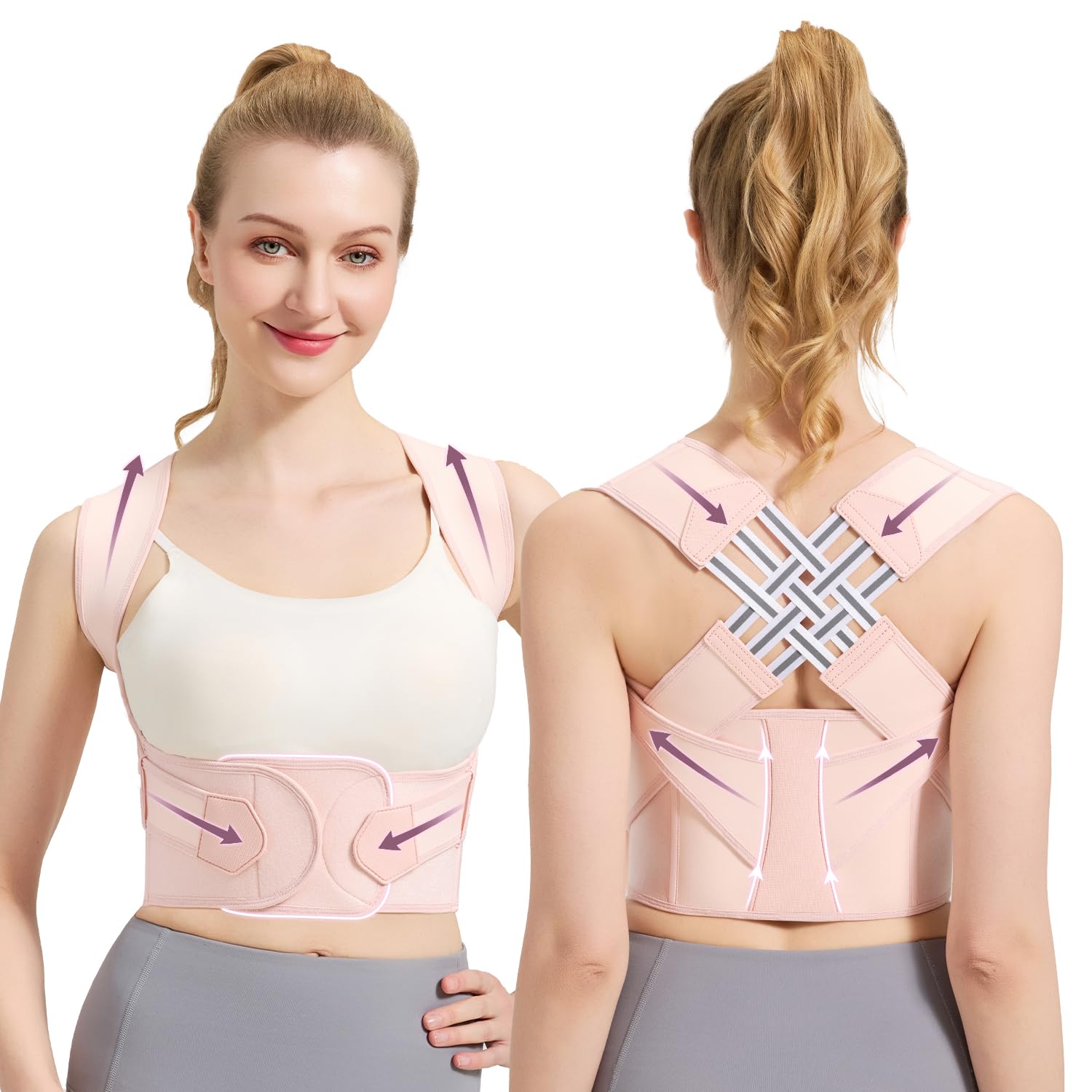
Posture Corrector for Women and Men, Adjustable Shoulder Straightener
The simplest way to build postural awareness, adjustable straps fit a wide range of bodies, and it disappears under a shirt
It is a cue, not a treatment, and all-day wear lets the muscles that hold you upright go on vacation
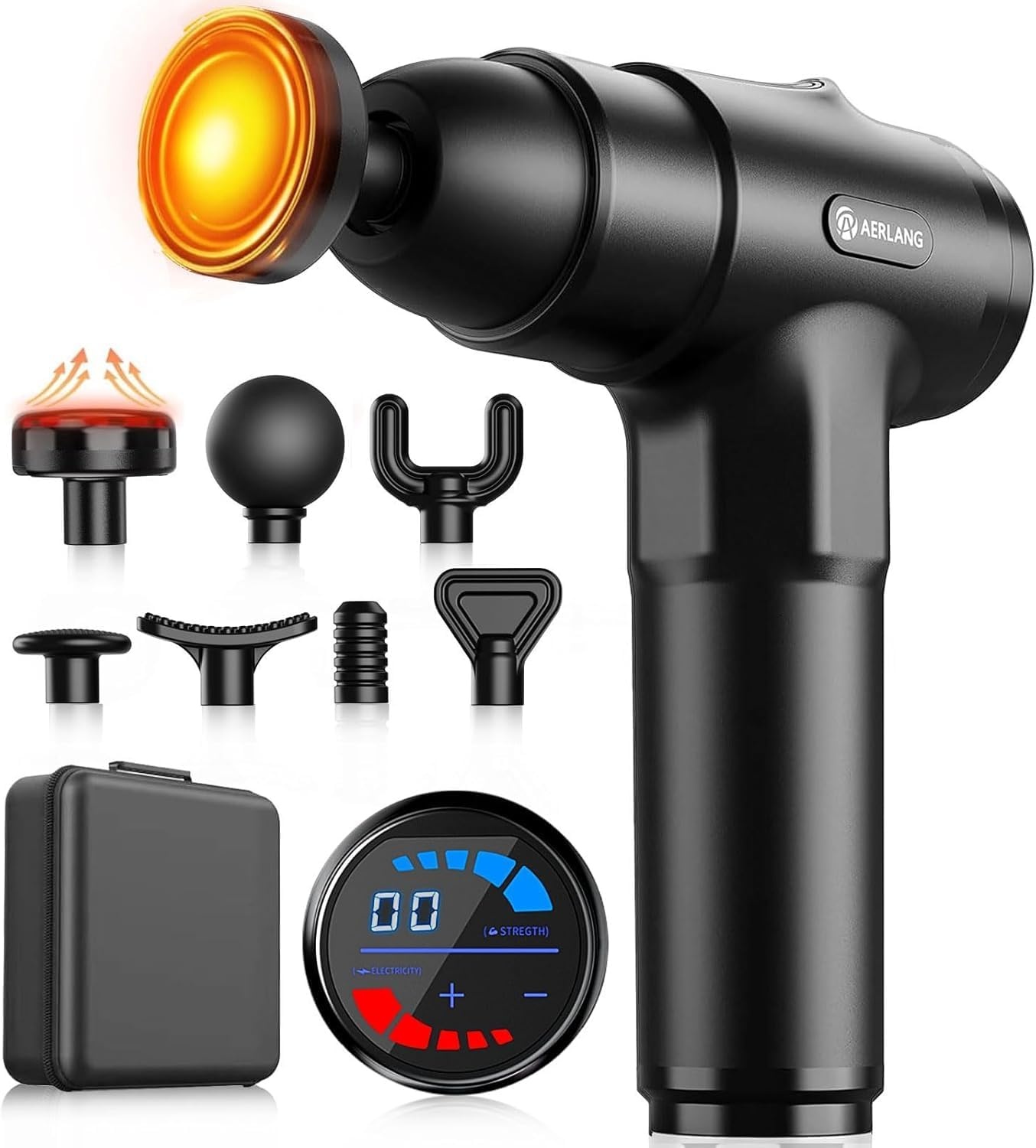
Massage Gun with Heat Massager Deep Tissue Muscle Massager
Percussion and heat in one device, several heads to work with, and an easy entry into the category
Heat can mask how much pressure you are applying, and the motor is not as refined as premium guns
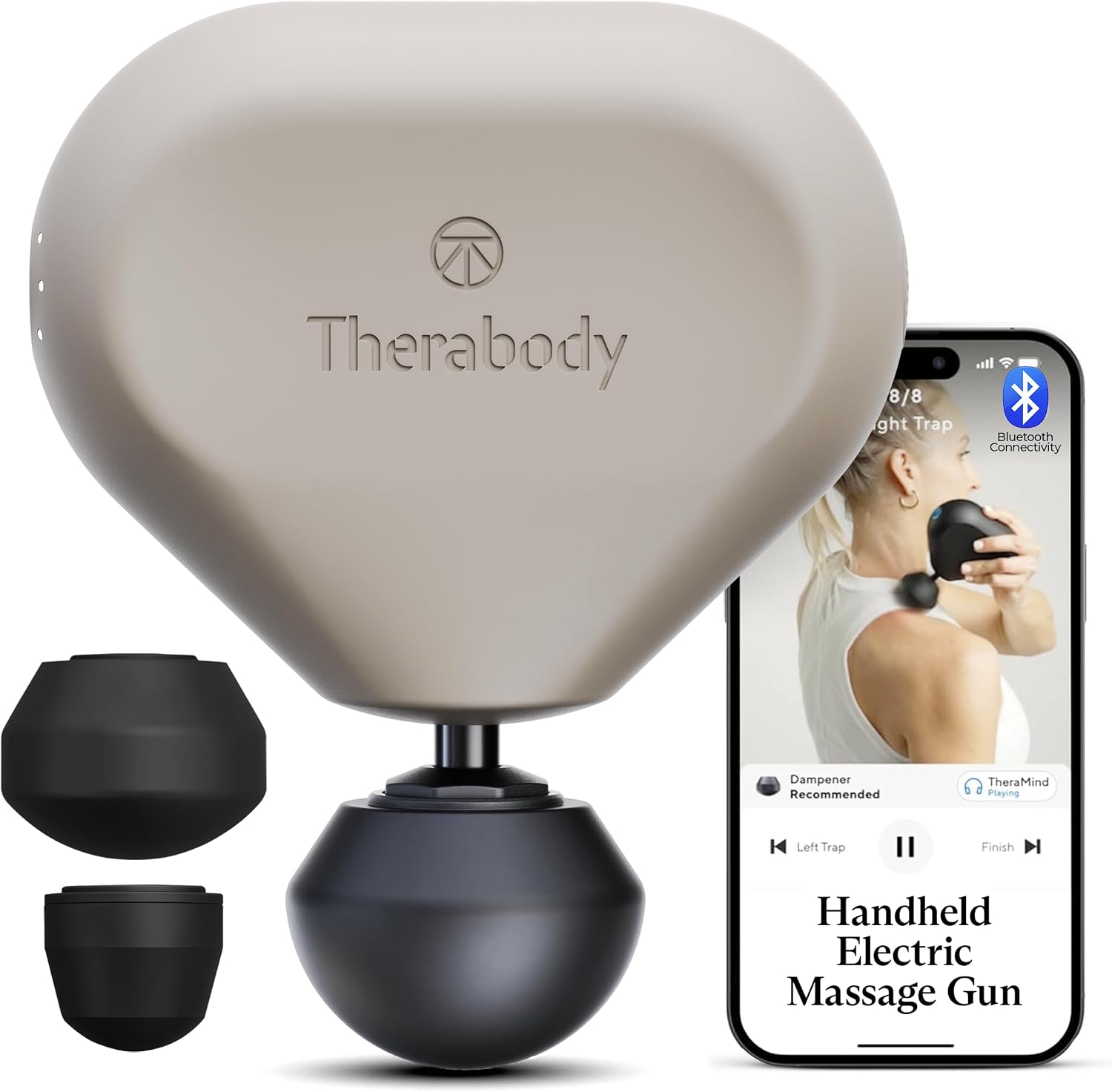
TheraGun Therabody Mini 3rd Gen Massage Gun, Travel Essential, Oat
Small, quiet, and genuinely travel ready, which is the only way a gun actually gets used on the road
You trade amplitude for size, so thick muscle groups get less work than a full-size gun delivers
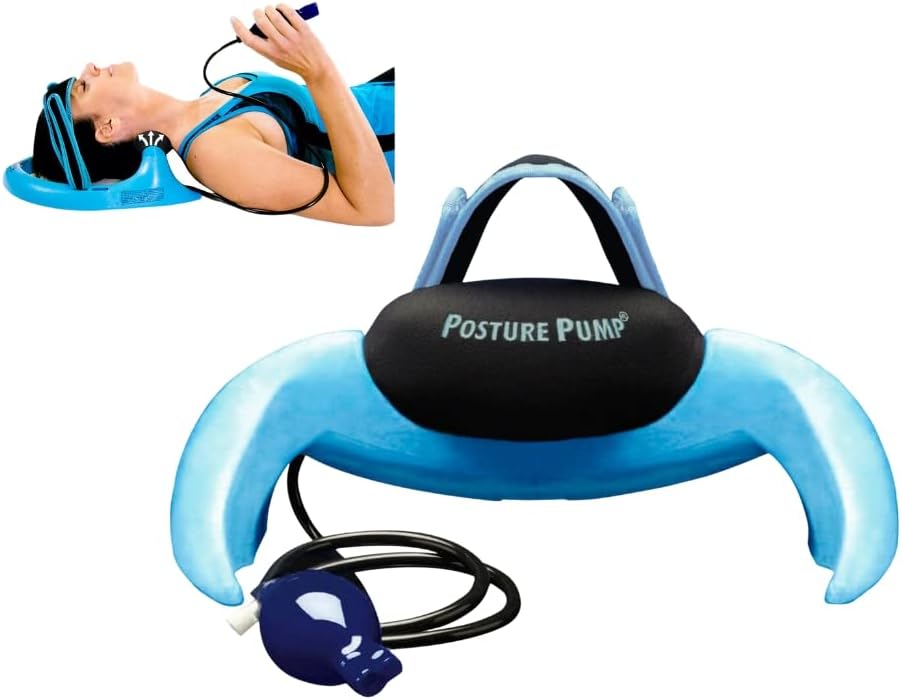
Posture Pump Model 1100-S Single Air Cell Cervical Decompression Device
The only tool here that addresses the cervical spine directly with gentle traction
Single purpose, needs a routine, and it is not appropriate without a diagnosis and guidance
Prices and availability were captured from Amazon Creators API and may change.
How I judge a recovery tool
Four questions, in this order.
Does it address a real clinical need, or a marketing need? Can a normal person use it without hurting themselves? Will it survive six months of real use? Would I hand it to a patient and expect them to use it correctly without me standing in the room?
Most recovery gear fails question two or question three. The posture corrector fails when someone wears it for twelve hours and then wonders why their upper back feels worse when they take it off. Massage guns fail when people park one on their neck because it feels nice. A traction device fails when it lives in a box because the setup is a hassle.
Notice that none of those failures are about power. They are about whether the tool matches a habit you already have.
The posture corrector: a cue, not a cure
Start with what it is. The Posture Corrector for Women and Men is a strap system with adjustable tension that pulls the shoulders back and down. Worn under a shirt, it makes slouching physically annoying. That is the entire mechanism.
What that buys you is awareness. If you spend your day hunched over a laptop, twenty to thirty minutes in the corrector is a reminder that your shoulders have a different resting place. Used that way, it is genuinely useful, and it is the least complicated item in this comparison.
What it does not do is lengthen a tight pectoral, strengthen a weak mid-back, or change the shape of your spine. If you wear it all day, the muscles that hold you upright get to take the day off, and you can end up depending on the strap. I have watched people come in convinced their posture was fixed because the corrector held them up, then collapse the moment it came off.
Adjustability matters more than anything else here. This one is built for both women and men with adjustable straps, which matters, because a corrector that digs into your armpits will be in a drawer by week two.
My dosing: short blocks during desk work, plus a few minutes of actual back and shoulder work afterward. Ten minutes of rowing, band pull-aparts, or a thoracic extension over a foam roller does more for your posture than ten hours of strapping yourself upright.
Massage guns: the heat model versus the travel mini
These are the same category of tool with very different personalities.
Percussion is a hammering action, and it belongs on muscle bellies only. Not on your neck. Not on your spine. Not on a knee, an elbow, a shin bone, or a shoulder joint. I have seen the injuries from people who ignored that line, and they are not subtle.
The Massage Gun with Heat Massager adds a warming element to the treatment. Warm tissue is more compliant, and heat feels good, which is exactly why the combination sells. The catch is that "feels good" and "helps" are two different things. Heat can also mask how much pressure you are actually applying, so if you are the kind of person who chases a strong sensation, you have to be more careful here, not less.
This one is a practical entry into percussion: several heads, a heat function, and a low barrier to trying the category. What it does not give you is the refinement of a premium motor, so expect a narrower useful range of speeds and a little more noise.
The TheraGun Therabody Mini 3rd Gen sits at the other end of the spectrum. It is small, quiet, and built to travel, which sounds like a luxury until you remember that the best recovery tool is the one that is with you. A gun that lives in a carry-on gets used in hotel rooms. A gun that lives on a shelf at home does not. What you give up is amplitude, because small guns trade depth for size. For calves, forearms, and quads on the road, that is a fair trade. For a thick, stubborn glute, a full-size gun does more work.
Technique is identical for both. Thirty to sixty seconds per muscle group, moving slowly, pressure that is uncomfortable but not painful. If you are gritting your teeth, you are not recovering, you are irritating tissue. And keep both of them off your neck, no matter how good it feels after a long day at a desk.
Cervical traction: the tool nobody wants to talk about
The Posture Pump Model 1100-S is the odd one out in this group, and it is the one I get the most questions about. It is a single air cell cervical device. You lie down, the cell inflates and expands, and the neck is taken into gentle traction while the curve is supported. It is not percussion, it is not a cue, and it is not a wearable. It is a traction device for the neck.
That makes it the only tool here that addresses the cervical spine directly, which is exactly why it is also the one I am most cautious about. Traction is a real intervention. It has a place for people with a diagnosed cervical issue, usually as one piece of a plan a clinician set up. It does not have a place as an impulse purchase for someone with unexplained neck pain, and it does not belong in the hands of anyone with radiating symptoms, numbness, or tingling down an arm before a diagnosis.
If you have been told that cervical traction is worth trying for you, this is a well-known option in that category, and it is the kind of device that rewards consistency: short sessions, most days, following the instructions. If you have not been told that, buy the massage gun and go see someone about the neck first.
The trade-offs the listings do not mention
The posture corrector is the easiest of the four to use and the easiest to overuse. Its value lives entirely in how you schedule it.
The heat massage gun is the most versatile of the four for general muscle work, and the heat is a bonus rather than a reason to buy. Buy it for percussion, enjoy the heat.
The TheraGun Mini is the one that will get the most use if you travel, and the one that will feel underwhelming if you expect it to replace a full-size gun at home.
The Posture Pump is the most specific and the least forgiving. It does one job, it needs a routine, and it needs a reason.
None of the four replaces movement. That is the trade-off that never makes it onto a product page. A corrector that holds you upright, a gun that pounds your quads, and a traction device that decompresses your neck all work better in a week where you also walk, lift, and move.
How to choose
If your problem is desk slouch and you want a low-effort accountability cue, the posture corrector is the right first purchase. Wear it in short blocks, and pair it with actual back work.
If you want one tool that handles tight quads, calves, and back muscles after training, get the Massage Gun with Heat. It is the most broadly useful device here.
If you travel and you know a gun left on a shelf will not get used, the TheraGun Mini is the one that goes in the bag.
If you have a cervical diagnosis and a clinician who has told you traction is part of the plan, the Posture Pump Model 1100-S is the tool for that job.
The bottom line
Recovery tools are not interchangeable, and buying the most powerful one is not the same as buying the right one. Match the tool to the tissue, match the dose to your tolerance, and buy the one that fits the routine you already have. That is the difference between a tool you use and a tool you simply own.