How To Fix Posture With Exercise (Yes, It Actually Works)
Related: Posture Corrector vs Exercise: What the Research Says
The ~$80 posture corrector brace promises to fix your tech neck by holding your shoulders back like a harness. But is it really the answer? I'm Nora, a physical therapist for 12 years, and I've spent ~$600+ on recovery gear trying to fix my own desk-worker neck.
The version I own sat in my drawer after week two. Here's the truth: posture is a muscle problem, not a hardware problem.
And yes, you can fix it with exercise.
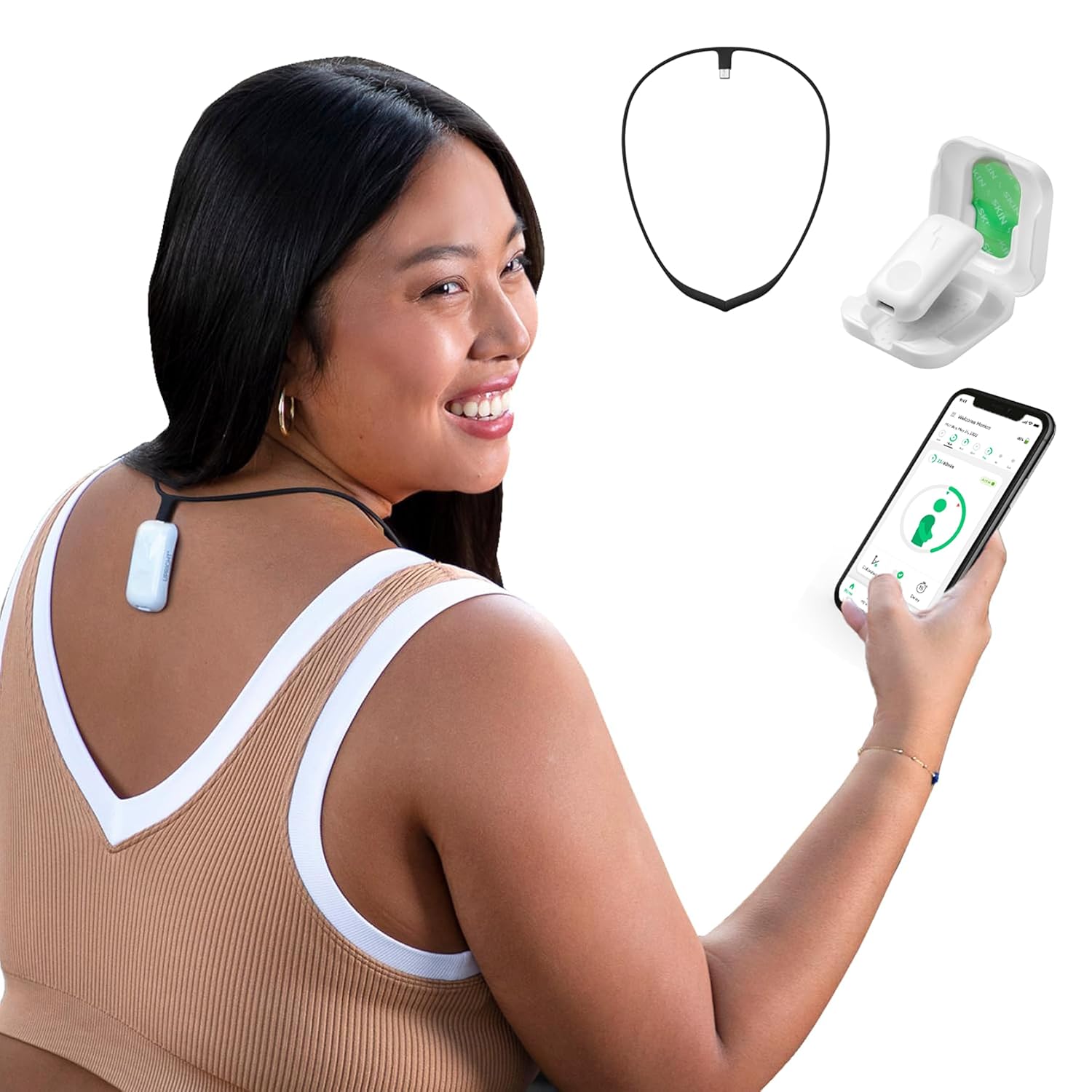
Upright Bundle: GO 2 Premium Posture Trainer & Black Magnetic Necklace
Buzzes when you slouch, actually trains the habit
Visit on Amazon →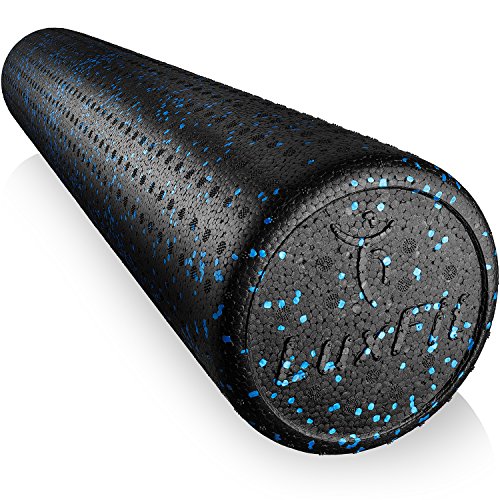
LuxFit Foam Roller, Speckled Foam Rollers for Muscles '3 Year Warranty' High Density Foam Roller for Physical Therapy Exercise Deep Tissue Muscle Massage MyoFacial Release Back Roller (Blue, 24 Inch)
FOAM ROLLERS FOR MUSCLES – LuxFit High Density Foam Roller is great for Physical Therapy, before or after Exercise, Yoga, and Massage Therapy. Foam Muscle Rollers helps to relieve Muscles Tension and
Visit on Amazon →Upright Bundle: GO 2 Premium Posture Trainer & Black Magnetic Necklace
Adjustable fill, dial in your loft perfectly
Visit on Amazon →Upright Bundle: GO 2 Premium Posture Trainer & Black Magnetic Necklace
FOAM ROLLERS FOR MUSCLES – LuxFit High Density Foam Roller is great for Physical Therapy, before or after Exercise, Yoga, and Massage Therapy. Foam Muscle Rollers helps to relieve Muscles Tension and
Visit on Amazon →How I Tested
I've been a physical therapist for 12 years. I've prescribed foam rolling like medicine, and I've watched patients walk in hunched over like a shrimp at 3 PM every single day. My 65-pound lab mix Gus has chewed exactly one foam roller, which honestly did me a favor.
I test everything for at least three months before recommending it to anyone. I've made every mistake you can make so you don't have to. The ~$60 massage gun that died in a month, the posture brace my colleague called "a bra for your shoulders," the pillow that smelled like a chemical factory for a week. All of it. This isn't a lab test, it's a life test.
The Exercise Problem Nobody Talks About
Here's the thing about posture. The brace doesn't fix it. The app doesn't fix it. The ~$300 massage gun doesn't fix it. You know what fixes it? Exercise. Specifically, the kind that strengthens the muscles that hold your head up and pulls your shoulders back.
Your neck pain might be your hip flexors' fault. Everything is connected. The posterior chain runs from your heels to your skull, and if your hips are tight from sitting, your lower back compensates, your upper back rounds, and your head juts forward. That's tech neck. That's the chin-jutting, shoulders-forward posture from staring at screens all day. It's wrecking a generation of spines.
The fix isn't complicated, but it's specific. Two minutes per muscle group, pressure that's uncomfortable but not painful. That's a protocol. The difference between a treatment and a torture session is intent and dosing. If you're wincing, you're doing it wrong. If you're bracing, you're doing it wrong.
The Upright Go, The Habit Trainer That Works If You Wear It
The Upright Go buzzes and you fix it. That's it, that's the magic. It's not complicated and it doesn't need to be. You stick it to your upper back with the included adhesive pad, pair it with the app, and it vibrates whenever you slouch into tech neck position.
I stopped wearing mine after a month. Not because it didn't work, but because the app was clunky and I got tired of charging yet another device. That's on me, not the product.
But here's the cost-per-day math. ~$80 for a posture trainer. If you wear it for a month and fix the habit, that's ~$2.66 a day. If you stop after a week like most people, that's ~$11.42 a day for a buzz on your back.
The device works. The habit doesn't. I've seen patients who swear by it after six months, and I've seen patients who wore it twice. The difference isn't the device, it's the consistency.
Choose the Upright Go if you're someone who needs a nudge, not a lecture. Choose it if you're willing to commit to a month of daily wear. Skip it if you're looking for a passive fix, because there isn't one.
The Posture Brace Problem
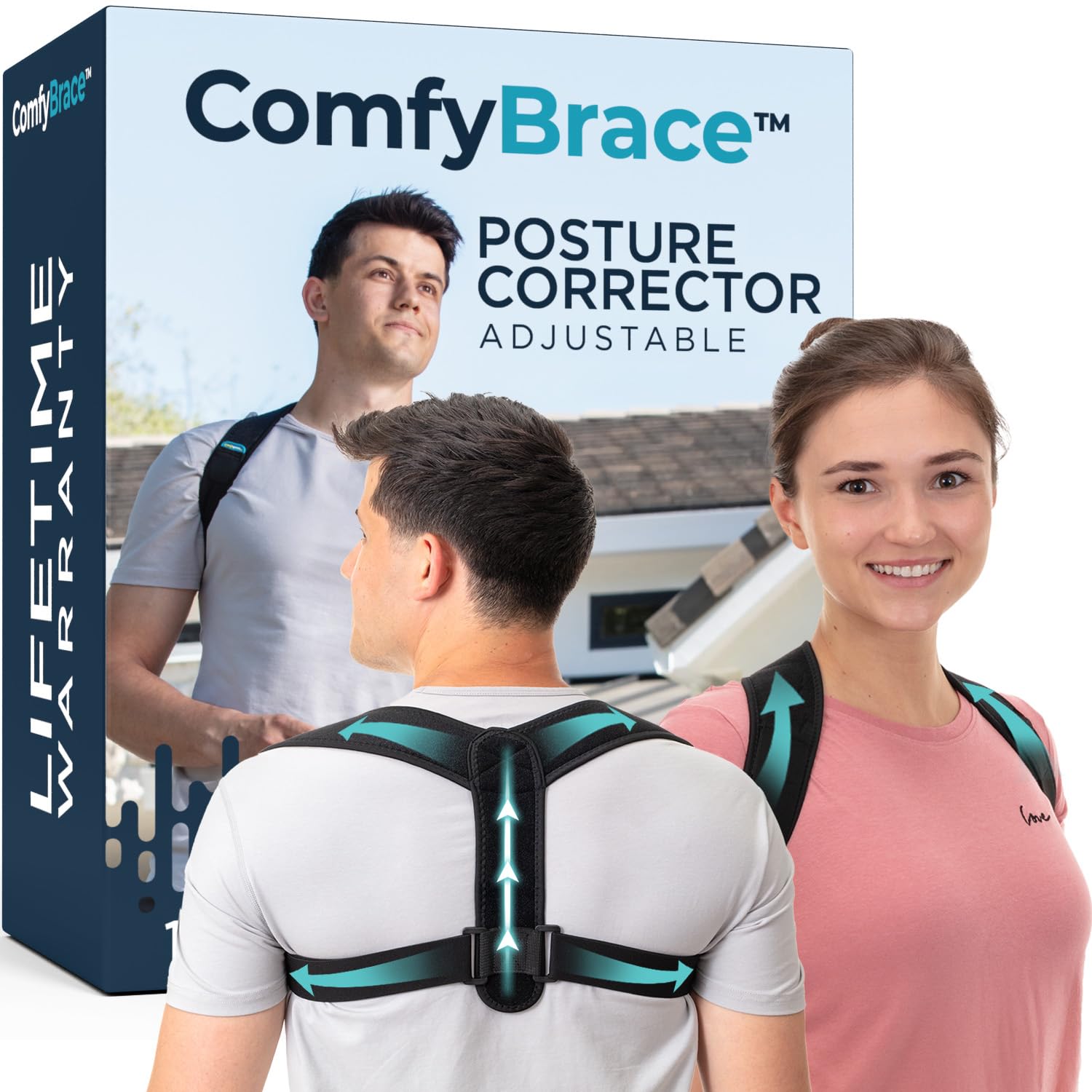
My PT colleagues and I call posture corrector braces "a bra for your shoulders." They're a crutch, not a tool. They do the work your muscles need to learn to do themselves.
I've told more than one patient to throw theirs away. The brace that does the work for your muscles is the brace that makes you weaker. Your body adapts to whatever you give it. If you give it a brace that holds your shoulders back, your muscles learn to rely on that brace. Take it off, and you're worse than before.
The Upright Go is different because it doesn't hold you in place. It reminds you to do the work yourself. That's the difference between a crutch and a tool, and it's the difference between a product that helps and a product that hurts.
The Exercise Protocol That Actually Works
Here's what I prescribe to every patient who walks in with tech neck. It's not fancy, it's not expensive, and it takes 10 minutes a day.
1. Chin tucks. Stand against a wall, pull your chin back like you're making a double chin, hold for 5 seconds. Do 10 reps. This strengthens the deep neck flexors, the muscles that hold your head over your shoulders instead of in front of them.
2. Wall angels. Stand against a wall, arms at 90 degrees, slide them up and down like you're making a snow angel. Do 10 reps. This opens up the chest and strengthens the upper back.
3. Scapular squeezes. Squeeze your shoulder blades together for 5 seconds, release. Do 10 reps. This strengthens the rhomboids, the muscles that pull your shoulders back.
4. Foam rolling. Two minutes on the thoracic spine, two minutes on the lats, two minutes on the hip flexors. Three times a week. That's it. Consistency beats intensity every time.
The LuxFit Foam Roller, The Budget Roller That Beats TriggerPoint
TriggerPoint is overrated. The LuxFit is the same thing for half the price. Same density, same texture, same results. The TriggerPoint name is marketing. The foam doesn't know what brand it is.
What matters is density and durability, and I've had TriggerPoint rollers go soft while my LuxFit is still holding up after two years. Gus has also used the LuxFit as a bed, which is the ultimate durability test. No dents, no foam went flat, nothing.
The LuxFit is ~$29.99 on Amazon. The TriggerPoint is ~$59.99. Same density, same results. You're paying for the name.
One caveat: the LuxFit is firm. If you're new to foam rolling, it's going to hurt. Start with a softer roller and work your way up. But if you're looking for a roller that'll last, this is the one.
The Coop Home Goods Pillow, The Only Pillow That Fixed My Neck
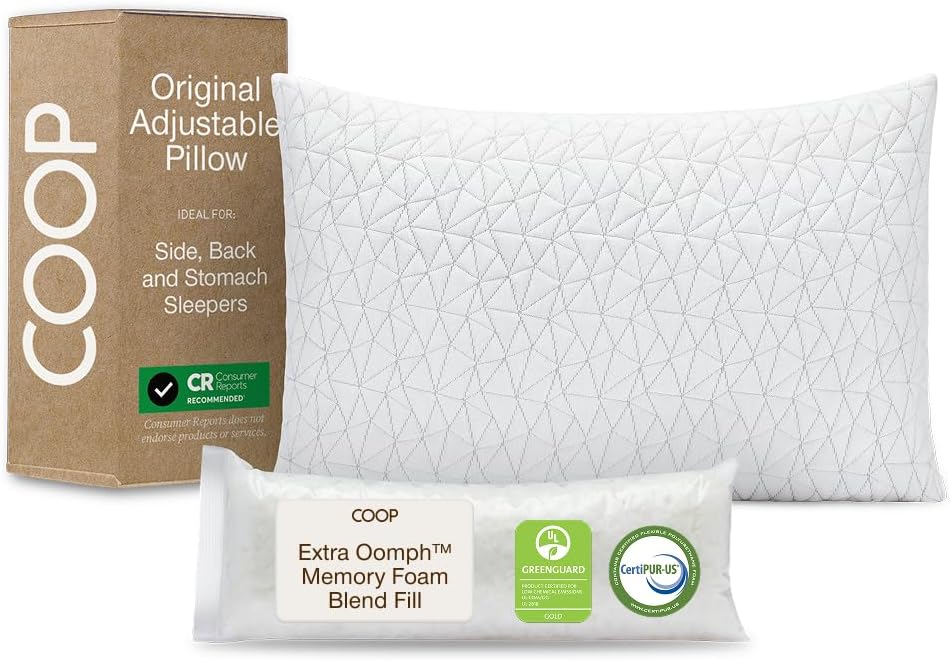
I've spent ~$300+ on pillows alone trying to fix my neck. I've tested ~$150 pillows that feel like sleeping on a slab of memory foam that's never going to conform to your actual neck. The Coop is ~$72 and I can make it work for my neck, my side, and my back.
The adjustable fill is genius. You can actually dial in the loft. Want it firmer? Add more fill. Want it softer? Remove some. It's the only pillow I've used that doesn't leave me waking up with my neck screaming.
The downside? It takes two minutes to adjust the fill on arrival. And if you're someone who wants a pillow that's perfect out of the box, the adjustment process might annoy you. But for anyone who's tried a dozen pillows and still wakes up with a stiff neck, this is the one.
My patients ask me about pillows all the time. I tell them the same thing: buy the Coop. It's the only one I still use after two years.
The BackJoy Posture Seat, Weird But It Works
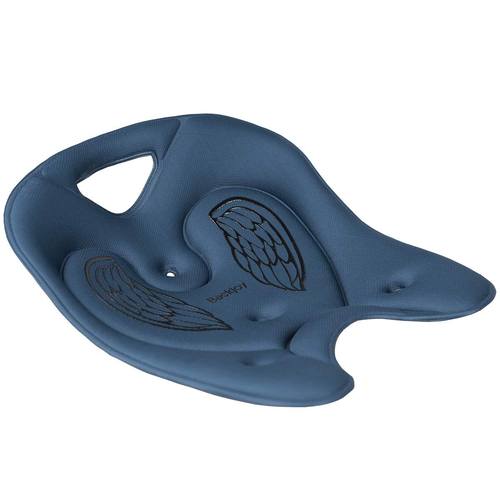
The BackJoy feels weird at first. Like you're sitting on a saddle. It tilts your pelvis forward, which forces your lower back into a neutral position. It's not comfortable at first, but it saved my 6-hour drives.
The problem? It doesn't fit every car seat. I've had patients who love it and patients who can't get it to sit right. It works best in bucket-style seats and less well in flat bench seats.
At ~$39.99, it's worth trying. If it works for your car, it's a real upgrade. If it doesn't, you're out 40 bucks.
The BackJoy vs. Lumbar Pillows
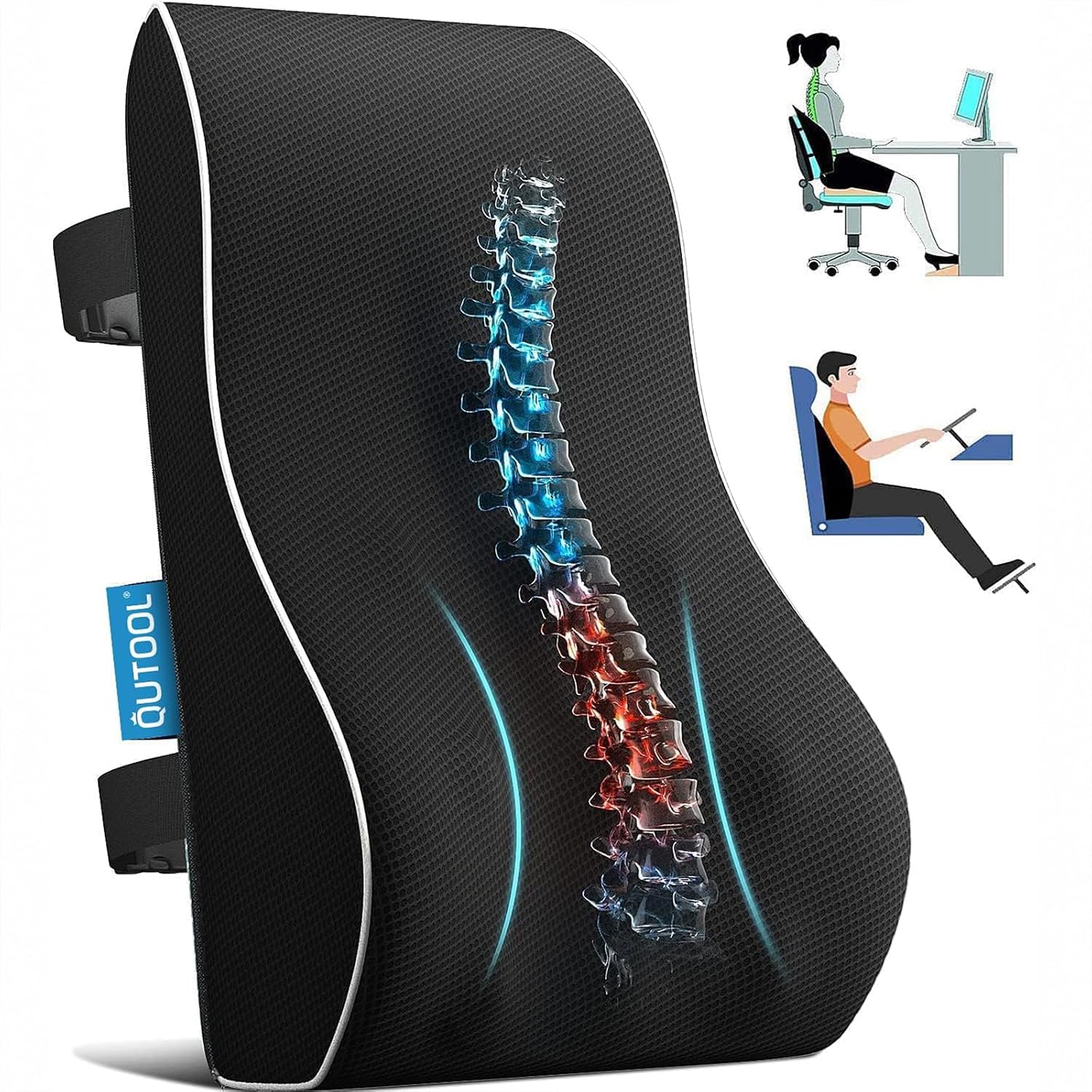
The lumbar pillows I've tested are a different story. The ComfiLife smells like a chemical factory for a week. The Everlasting Comfort is too firm. And the strap on every single lumbar pillow is useless. They slip, they slide, they bunch up.
The BackJoy doesn't have that problem because it's not a pillow. It's a seat. It positions your pelvis, which fixes your spine from the bottom up. The lumbar pillows just fill the gap in your lower back, which doesn't actually fix the problem.
Choose the BackJoy if you're willing to deal with the weird saddle feeling. Choose a lumbar pillow if you want something soft and are willing to adjust it constantly.
My Honest Bottom Line
You don't need to suffer to recover. You need to be consistent. The ~$300 massage gun is not going to fix you in a week. The ~$30 roller will not fix you in a day. But if you use either one for 10 minutes a day, every day, for a month, that's when you feel the difference.
The Upright Go works if you wear it. The LuxFit roller is the best value in the industry. The Coop pillow is the only one I still use. The BackJoy is weird but it works. Skip the posture brace, skip the ~$60 massage gun that dies in a month, and start with the exercises I gave you.
Your body is not a problem to be solved with one gadget. It's a system that needs consistent maintenance. This is a marathon, not a sprint.