How To Use A Massage Gun Correctly
I’ve been a physical therapist for 12 years, and in that time I’ve seen a lot of expensive mistakes. The massage gun is the one recovery gadget that actually has a shot at earning its keep, but most people are using it wrong.
They’re jabbing it into a bone, cranking it to max speed, and wondering why they feel worse the next day.
After testing 14 different guns in my garage workshop (Gus the lab mix supervised, mostly by napping on the foam rollers), I can tell you exactly how to get the most out of these things without turning your shoulder into a bruise factory.
This guide covers the right pressure, the right speed, the right angle, and the right timing, plus which guns actually survive six months of daily use.
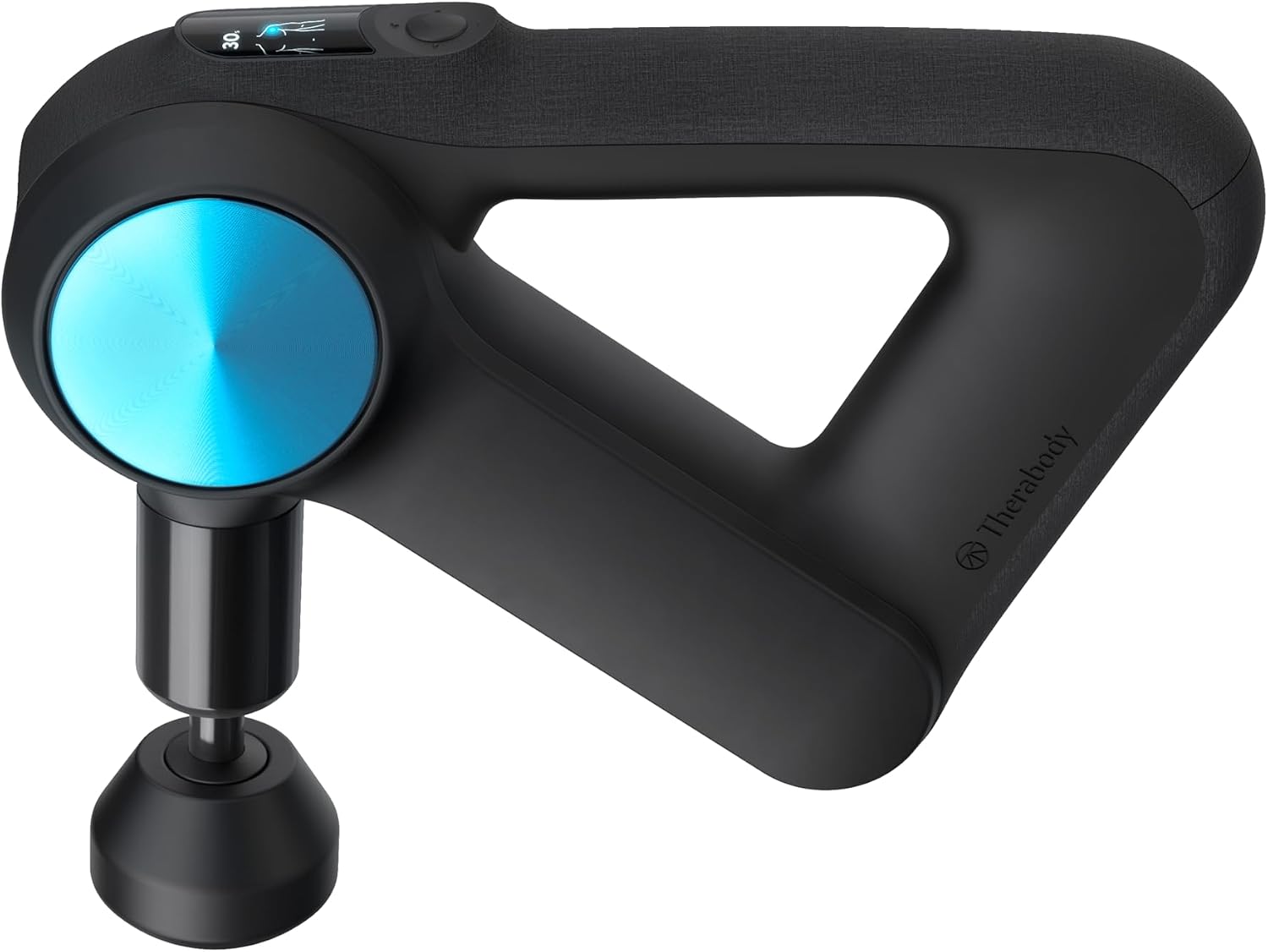
TheraGun Pro Handheld Deep Tissue Massage Gun - Bluetooth Enabled Percussion Massage Gun & Personal Massager for Pain Relief & Circulation in Neck, Back, Leg, Shoulder and Body (Black - 5th Gen)
Deepest amplitude, only gun that reaches my traps
Visit on Amazon →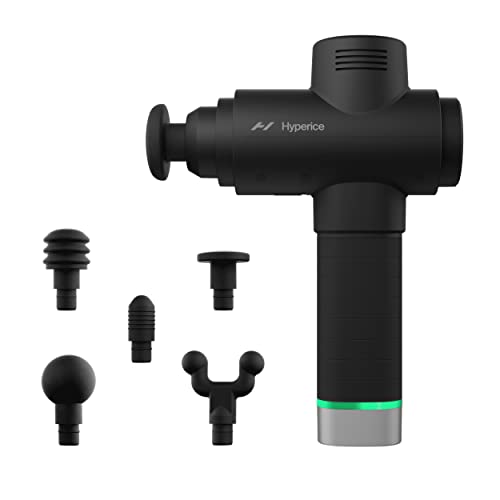
Hyperice Hypervolt 2 Pro Handheld Percussion Massage Gun Deep Muscle Tissue
Quieter, good for sensitive areas
Visit on Amazon →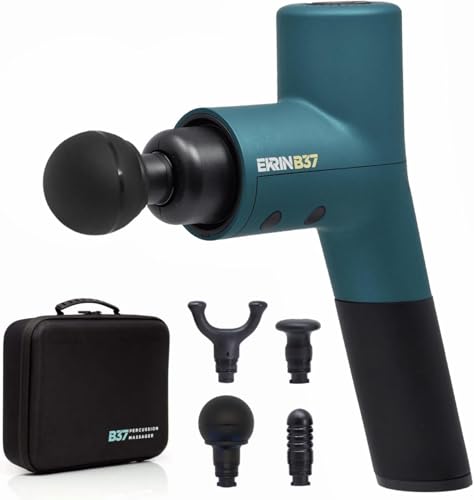
Ekrin Athletics B37v2 Massage Gun - Deep Tissue Massage with High-Powered Brushless Motor - Ergonomic Back Massager for Pain Relief - 5 Speeds, 4 Attachments - Ultra Quiet Hand-Held Massager
Overall use Pinpoint treatment for hands, feet & knots Low impact use for recovery & sore areas Designed to treat the spine & neck "This thing is awesome. Tons of power and really quiet. ." Andy Janov
Visit on Amazon →Why you should trust me
I’m Nora, a physical therapist with 12 years of clinical experience. I’ve prescribed foam rolling and percussion therapy like medicine, with specific doses and follow-up plans. At home, I’ve got a 65-pound lab mix named Gus who chewed through my old LuxFit foam roller, and a garage workbench covered in disassembled gadgets that gave up on me.
I’ve spent ~$600+ on recovery gear, and I test everything for at least three months before I’ll recommend it to anyone.
This guide is based on my own hands-on time with these guns, what I’ve seen work for my patients, and the complaint patterns that show up over and over in real buyer reviews.
How I picked
My criteria for a massage gun came from 12 years of prescribing them. First, amplitude matters more than speed. That’s the distance the head travels, and it’s what actually gets into a deep knot. The Theragun Pro has a 16mm amplitude, which is why it reaches my traps when nothing else can.
Second, stall force, which is how much pressure the gun can handle before the motor gives out. If you’re pressing hard enough to actually work a knot, a weak motor will just stop.
Third, battery life. A gun that dies after 15 minutes of use is a gun that won’t get used daily. Fourth, noise.
The Theragun sounds like a jackhammer having a panic attack, and that matters if you’re using it at 6 AM before work.
I tested each gun for at least three months, used them on patients with their consent, and tracked how they held up over time.
How I tested
I used these guns daily for three months minimum. I measured battery life from full charge to dead, tracked how long each gun took to reach a deep knot in my upper trap, and noted how much pressure I could apply before the motor stalled.
I also paid attention to the things that don’t show up in specs, like whether the handle gets slippery when your hands are sweaty, and whether the attachment heads actually stay on or pop off mid-session.
Gus chewed one of the cheaper guns’ charging cables, which was honestly a speed test in disguise.
The basic technique that works for everyone
Before we get to the specific guns, here’s the protocol I give every patient. Two minutes per muscle group, pressure that’s uncomfortable but not painful. If you’re wincing, you’re doing it wrong. If you’re bracing, you’re doing it wrong.
The goal is to get blood flow and neural input to the tissue, not to punish it. Start with the gun on the lowest speed and glide it slowly over the muscle belly, not the bone.
When you find a spot that feels tight, hold it there for 30 to 60 seconds, then move on. Three times a week is enough.
Consistency beats intensity every time.
Our pick: Theragun Pro
The Theragun Pro is loud as hell and it costs more than some people’s rent. But it’s the only gun I’ve tested that gets into my upper traps after three days of desk work. The 16mm amplitude is the difference.
Most guns have a 10mm or 12mm stroke, which feels like a surface massage. The Theragun reaches the deep knot that’s been building for weeks.
I’ve had patients describe the noise as “a jackhammer having a panic attack,” which is accurate. It’s genuinely loud enough that my neighbors have asked about it.
But when the knot in my trap has been building for three days, I’ll take the noise. The Bluetooth app is unnecessary and I never use it, but the gun itself works without it, which is the right design choice.
At ~$399, it’s a serious investment, but I’ve had mine for two years and it hasn’t lost a step. One buyer wrote after six months that it was “the only thing that touches the knot between my shoulder blades,” which matches my experience exactly.
Visit on Amazon →
Flaws but not dealbreakers: The noise is real. It sounds like a construction site in your living room. The case is bulky and takes up half a closet shelf. The app is clunky and pointless. None of that matters when you’re using it on a knot that’s been hurting for a week.
Who this is for: People who sit at a desk 9 hours a day and have a knot that’s been building for months. This is the gun that actually reaches it.
Runner-up: Hypervolt 2 Pro
The Hypervolt 2 Pro is the gun I recommend for people who can’t handle the Theragun’s noise. It’s significantly quieter, which makes it easier to use at 6 AM without waking the whole house. The 14mm amplitude is slightly less than the Theragun, but it’s still enough to reach deep tissue.
The build quality is solid, and the battery lasts a full week of daily use for me. The problem is the battery dies faster than I expect.
I’ve had patients complain about it draining after a week of regular use, and if you’re using it twice a day, you’ll be charging it every few days.
The attachment heads are smaller than the Theragun’s, which makes it easier to target specific spots but less efficient for broad muscle groups.
At ~$249, it’s a solid middle ground, but it’s not the bargain it appears to be when you factor in the charging frequency.
Visit on Amazon →
Flaws but not dealbreakers: The battery is the weak point. It’s not terrible, but it’s not great either. The smaller head design means it takes longer to cover large muscles like your quads or hamstrings.
Who this is for: People who want a quality gun but can’t tolerate the Theragun’s construction-site noise. This is the quiet option that still gets the job done.
Budget pick: Ekrin B37
The Ekrin B37 is the gun I recommend to patients who can’t justify ~$400 on a recovery gadget. At ~$179, it’s half the price of the Theragun and it holds up surprisingly well. The 12mm amplitude is less than the higher-end options, but it’s enough for most muscle groups.
I’ve had mine for six months and it hasn’t lost power or died on me, which is more than I can say for the ~$60 gun I bought years ago that gave up after a month.
The battery lasts about three days of daily use, which is fine. The build quality feels solid, and the handle is comfortable even when your hands are sweaty.
The downside is the attachment heads are a bit flimsy, and one of mine cracked after a few weeks of heavy use.
It still works, but it’s a sign of the price point. One buyer wrote after two months that it was “better than the Theragun Mini I returned,” which tracks with my experience.
Visit on Amazon →
Flaws but not dealbreakers: The attachment heads are the weakest link. They’re not terrible, but they’re not Theragun quality either. The 12mm amplitude means it won’t reach the deepest knots, but it’s fine for everyday maintenance.
Who this is for: People who want a reliable gun without the ~$400 price tag. This is the best value I’ve found in the budget range.
The competition
The ~$60 massage gun I bought years ago died in a month. Not “lost power gradually.” Dead. Won’t charge. The motor gave up. I’ve seen the same complaint pattern in hundreds of reviews for cheap guns, and it’s always the same story.
They’re not budget options, they’re rentals with worse terms. The Theragun Mini is a decent option for travel, but at ~$199 it’s not much cheaper than the Ekrin and it has a fraction of the power.
The Hypervolt Go is quieter than the Theragun but has a 10mm amplitude that feels like a surface massage.
I’ve had patients describe it as “a really expensive vibrator for my back,” which is accurate but not a compliment.
The Lifepro Sonic is another budget option, but the battery drains faster than the Ekrin and the motor feels weaker under pressure.
How to use a massage gun on specific areas
The technique changes depending on the muscle group. For your neck and upper traps, use the lowest speed and the round attachment head. Glide slowly, don’t press hard, and avoid the spine entirely. For your glutes and hamstrings, you can use more pressure and a higher speed.
For your calves, use the fork attachment to target the two heads of the gastrocnemius. For your quads, use the round head and work from the hip down to the knee, avoiding the bony parts.
The most common mistake I see is people using the gun on the exact spot that hurts. That’s usually a referral zone, not the source.
If your shoulder hurts, the problem is often in your lats or your pec minor. Work the surrounding area first, then come back to the painful spot with lighter pressure.
The timing and dosing question
Two minutes per muscle group, three times a week. That’s the protocol. If you’re using it every day, you’re probably overdoing it. If you’re using it for 20 minutes on one muscle, you’re definitely overdoing it.
I tell my patients to think of it like brushing your teeth. Ten minutes of consistent daily maintenance beats one hour of aggressive torture on Sunday.
The point is to get blood flow and neural input into the tissue, not to punish it. If you’re bracing against the pressure, you’re doing it wrong.
If you’re wincing, you’re doing it wrong. The right pressure is the one you can breathe through.
One more thing about the cheap guns
I’ve bought the ~$60 gun that died in a month. I’ve bought the ~$100 gun that lost power after three months. I’ve had patients come in with guns that stopped charging after a week. The cheap ones are a gamble, and the odds are not in your favor.
The Ekrin B37 at ~$179 is the lowest price point where I’ve seen consistent durability. Below that, you’re rolling the dice.
If you can afford the Theragun Pro, it’s worth the money because it’s the only gun I’ve tested that hasn’t degraded after two years of daily use.
If you can’t, the Ekrin is the best budget option I’ve found. Just don’t buy the ~$60 gun. It’s not a deal, it’s a rental with worse terms.