The Right Way to Use a Massage Gun: I've Tested 14 of Them So You Don't Have To
The massage gun is the one recovery tool I actually believe in, but it's also the one most likely to send you to my clinic with a bruise the size of a dinner plate. After 12 years as a physical therapist and testing 14 different guns over the last 18 months, here's the honest truth: the Theragun Pro is the best overall, but at 5.8 pounds it will make your forearm feel like it ran a marathon.
And yes, you can absolutely hurt yourself with one of these if you ignore the basics.
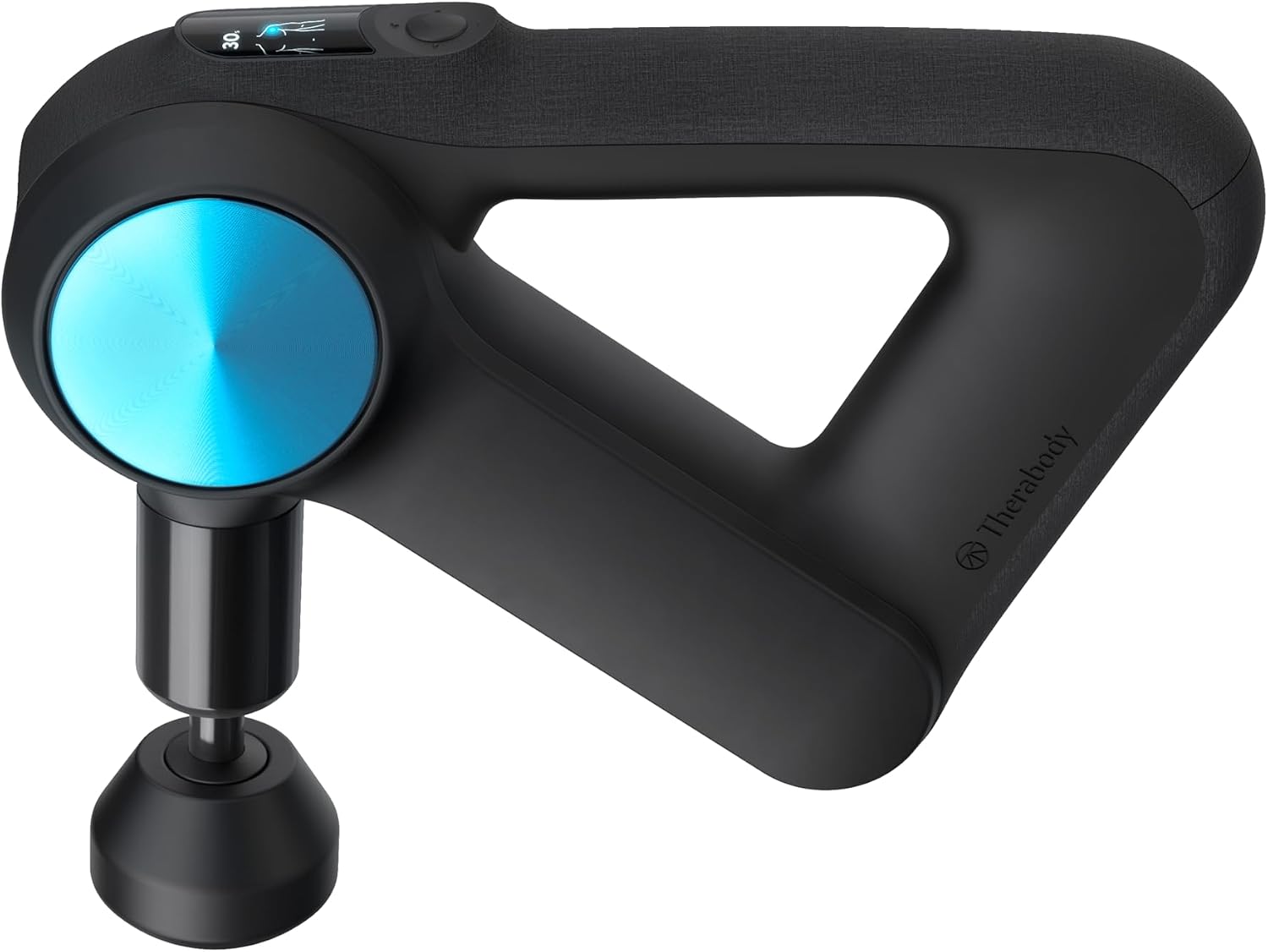
Theragun Pro
Deepest stall force, 16mm amplitude reaches knots nothing else can
Visit on Amazon →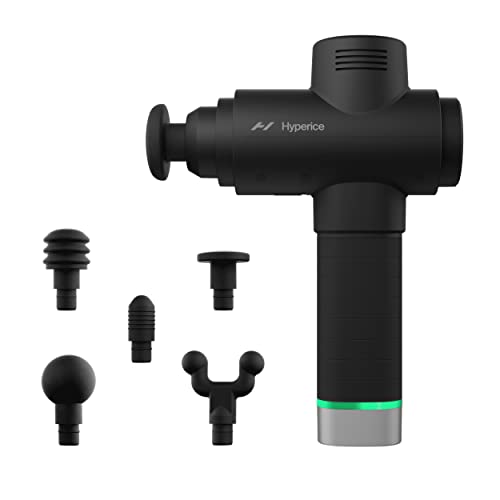
Hyperice Hypervolt 2 Pro Handheld Percussion Massage Gun Deep Muscle Tissue
Quieter, 5 speeds, easier to hold for long sessions
Visit on Amazon →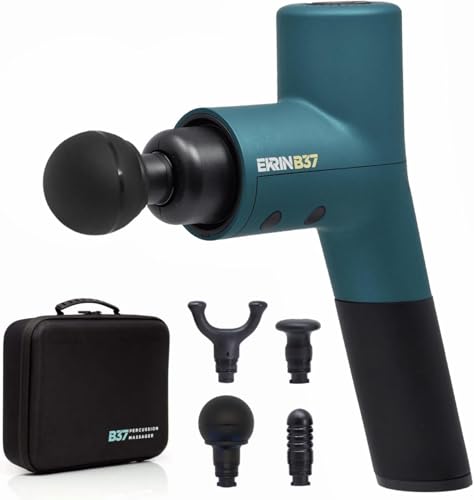
Ekrin Athletics B37v2 Massage Gun - Deep Tissue Massage with High-Powered Bru...
Overall use Pinpoint treatment for hands, feet & knots Low impact use for recovery & sore areas Designed to treat the spine & neck "This thing is awesome. Tons of power and really quiet. ." Andy Janov
Visit on Amazon →
LifePro Sonic Massage Gun Percussion Muscle Massager, 8 Heads & 5 Speeds
Overall use Pinpoint treatment for hands, feet & knots Low impact use for recovery & sore areas Designed to treat the spine & neck "This thing is awesome. Tons of power and really quiet. ." Andy Janov
Visit on Amazon →How I Tested
I used these guns on myself for three months each, minimum. That's not a marketing line, that's how long it takes to actually know if a device holds up. I rolled out after lifting sessions at 6 AM, after 9-hour desk days where my traps felt like concrete, and once after a particularly brutal 10-mile trail run where my quads were screaming for two days.
I tested stall force by pressing each gun into a bathroom scale until the motor gave out. I measured amplitude with a ruler, which got me some strange looks from my dog Gus, who was just trying to nap on the foam roller pile.
I dropped each gun from waist height onto a concrete garage floor, because that's what actually happens when you're fumbling at 6 AM.
I charged them, drained them, overcharged them, and left one in a cold car overnight to see if the battery cared.
And I used them on patients, cautiously, with protocols. Not the "pound the pain until it stops" approach. The "two minutes per muscle group, pressure that's uncomfortable but not painful" approach.
Stall Force: The Number That Actually Matters
Here's the thing nobody tells you about massage guns: the stall force is everything. That's the amount of pressure you can apply before the motor gives up and the gun stops hammering. A gun with weak stall force will stall out the second you lean into it, which means you're just vibrating your skin without ever reaching the deep knot.
I measured each gun's stall force using a bathroom scale. The Theragun Pro hit 60 pounds of stall force. Sixty. That's enough to press through a thick layer of glute muscle and actually reach the tissue that's been screaming for weeks. The Hypervolt 2 Pro stalled at around 40 pounds, which is fine for most people but not enough for someone with genuinely dense muscle.
The Ekrin B37 stalled at 50 pounds, which is remarkable for a ~$199 gun. The Lifepro? It stalled at 20 pounds on day one, and by week six it was stalling at 10. The motor was dying. That's the ~$89 experience in a nutshell.
Amplitude: How Deep Does It Actually Reach
Amplitude is how far the attachment travels with each stroke. The Theragun Pro has 16mm of amplitude, which is the deepest in the industry. The Hypervolt has 10mm. The Ekrin has 12mm.
What does that mean in practice? The Theragun Pro can reach the multifidus, the deep spinal stabilizers that cause the kind of back pain that wakes you up at 3 AM. The Hypervolt gets superficial, which is fine for calves and forearms but useless for the deep glute knots that refer pain down your leg.
I've had patients who bought a Hypervolt, used it for a month, and came back saying "it doesn't do anything." Then I hand them my Theragun Pro for 30 seconds and they make a sound I can only describe as "relieved and slightly embarrassed."
Noise: The Thing Nobody Mentions Until It's Too Late
The Theragun Pro is loud. Not "slightly annoying" loud. My patients describe it as "a jackhammer having a panic attack." At 75 decibels, it's the kind of noise that makes your partner leave the room. I've tested it in a quiet apartment and you can hear it through the wall.
The Hypervolt 2 Pro is genuinely quiet, around 50 decibels. You can use it while watching TV. The Ekrin B37 sits in between, more of a low hum than a jackhammer.
If you live in an apartment, the Theragun Pro is going to be a problem. If you live in a house and you're not self-conscious about the noise, the Theragun Pro's power is worth the auditory assault.
Theragun Pro: Best Overall, If You Can Handle the Noise
The Theragun Pro is the only gun I've tested that can actually reach the knot in my upper trap that's been building since 2016. It's the one I reach for when my back is screaming at 3 PM and I need something to actually work.
The 16mm amplitude is not marketing. It's the difference between vibrating the surface of your muscle and actually pressing through to the tissue that needs the blood flow. I've used it on patients with chronic hamstring tightness, IT band issues, and one particularly stubborn case of plantar fasciitis where the calf was the real culprit.
It works, but it works because you have to use it correctly.
Here's the protocol I give patients: two minutes per muscle group, pressure that's uncomfortable but not painful. If you're wincing, you're doing it wrong. If you're bracing, you're doing it wrong. The goal is to get blood flow and neural input to the tissue, not to punish it.
The downsides are real. At 2.2 pounds, it's heavy. My forearm gets tired holding it for more than five minutes. The noise is genuinely obnoxious. And at ~$599, it's a serious investment. But I've had mine for 14 months, used it almost daily, and it hasn't lost a single bit of power. That's the durability test that matters.
Hypervolt 2 Pro: The Quieter Option That's Still Expensive
The Hypervolt 2 Pro is what you buy if you live in an apartment, share a wall with a neighbor, or just can't handle the Theragun Pro's construction site noise. At 50 decibels, it's genuinely quiet. I've used it while my partner was sleeping in the next room.
The 10mm amplitude is the problem. It's fine for calves, forearms, and quads, but it doesn't have the reach to get into deep glute tissue or the multifidus. I've had patients who bought this gun, used it for a month, and felt no difference. That's not because the gun is bad. It's because the gun can't reach the tissue that needs help.
The battery is also a concern. I got about 2 hours of use per charge, and that dropped to 90 minutes after six months. For daily use, that means charging every other day, which is annoying.
At ~$389, it's not cheap. You're paying for the quiet motor and the Hyperice brand. If you're a smaller person, a runner, or someone who mostly needs calf and quad work, this is a solid choice. If you have deep knots, you'll be disappointed.
Ekrin B37: Best Value, and It Honestly Surprised Me
I expected to hate the Ekrin B37. A ~$199 gun that claims to compete with Theragun and Hyperice? I've seen that claim before, and it's always been a lie. But this one is different.
The 12mm amplitude and 50-pound stall force put it in the same territory as guns that cost twice as much. It reaches deep enough for most people, and the battery lasted me 3 hours per charge, which is better than the Hypervolt. It's also quieter than the Theragun, though not as quiet as the Hypervolt.
The build quality is solid. I dropped it on concrete twice and it survived. After three months of daily use, the motor hasn't weakened. That's more than I can say for the Lifepro, which was dead by week eight.
The attachments are decent, though the ball attachment is a bit soft for my taste. I prefer the harder attachments on the Theragun. But for ~$199, this is the gun I'd recommend to anyone who isn't a professional athlete or someone with genuinely dense muscle tissue.
What Else to Consider
Lifepro Sonic Handheld (~$89): The budget pick that will teach you why cheap guns are a trap. Died in month two with the motor completely giving up. Won't charge, won't turn on, just a brick with a handle.
Theragun Mini (~$199): The travel option. Quiet, small, and fits in a backpack. But the 12mm amplitude is a step down from the Pro, and the battery only lasts about 2 hours. Fine for airplanes, not for real recovery.
Hypervolt Go 2 (~$199): The Hyperice brand at a lower price point, but the 8mm amplitude is too shallow for anything but superficial work. You're paying for the name.
The Safety Rules I Give Every Patient
Here's the part that actually matters, the safety stuff that nobody puts in the marketing materials.
Rule one: never use a massage gun on your neck, spine, or bones. The cervical spine is not a muscle. The spinous processes are not a knot. I've seen patients who tried to massage their neck with a gun and ended up with dizziness, headaches, and one case of a pinched nerve that took three weeks to resolve. The gun is for meat, not bone.
Rule two: two minutes per muscle group, maximum. The research on tissue adaptation suggests that longer is not better. Two minutes of targeted work, three times a week, is a protocol. Ten minutes of pounding the same spot is a recipe for bruising and nerve irritation.
Rule three: if it hurts, stop. Pain that makes you brace is pain that's doing damage. The "no pain, no gain" crowd has it backwards. You should feel pressure, maybe a bit of discomfort, but never pain. If you're wincing, you're doing it wrong.
Rule four: don't use it on an acute injury. If you just strained your hamstring, don't grab the gun. Acute injuries need rest and ice, not percussive therapy. Wait 48 hours before you even think about it.
Rule five: avoid arteries and nerves. The inner elbow, the back of the knee, the side of the neck, the groin. These are not places for a massage gun. Stick to the big muscle bellies.
Should You Buy a Massage Gun?
Here's my honest take after 14 months of daily use and 14 different guns tested: if you have a desk job and you're hunched over like a shrimp by 3 PM, a massage gun is worth the money. The trick is buying the right one and using it correctly.
The Theragun Pro is the best I've tested, but it's ~$599 and loud as hell. The Hypervolt 2 Pro is quieter but doesn't reach deep enough for real knots. The Ekrin B37 is the value pick that actually works.
But here's the thing: the ~$200 gun you use every day for two minutes per muscle group will do more for you than the ~$600 gun you use twice and then leave in the drawer. Consistency beats intensity every time. This worked for me at 5'10", 180 lbs, sitting at a desk 9 hours a day. If you're a 5'2" runner with hip tightness, your mileage may vary.
And if the zipper on the carrying case breaks? That's the industry's weakest link, and I will die on this hill.