Related: Foam Rolling the Neck and Shoulders Without Making It Worse
I have spent twelve years as a physical therapist, and a good chunk of that time has gone to people whose backs "just hurt" and whose necks have drifted forward over a keyboard. When someone asks me to recommend a posture corrector and neck stretcher, my first move is never to hand them a product. It is to ask what they want to change and how many hours a day they are willing to spend changing it.
Here is the honest version of what this category does. A brace does not strengthen anything. It reminds you where neutral is, and it buys tired muscles a break so you can rebuild endurance with actual exercise. Traction style neck devices create length for a few minutes at a time. A roller stick restores blood flow to tissue that has been clamped in one position all day. None of these are cures. All of them are useful when they are dosed correctly and put away when they are not.
That last part matters more than any spec sheet. The most common failure I see is not a bad device. It is a good device worn eight hours a day until the muscles it was supposed to support get lazy and the whole thing becomes a crutch. So the four items below are grouped by the job they do, not by which one wins. If you want the short version first, the reference table further down lays out what each one targets, who it suits, and how to use it without creating a new problem.
Best Overall: Slim-Fit Posture Corrector for Women and Men
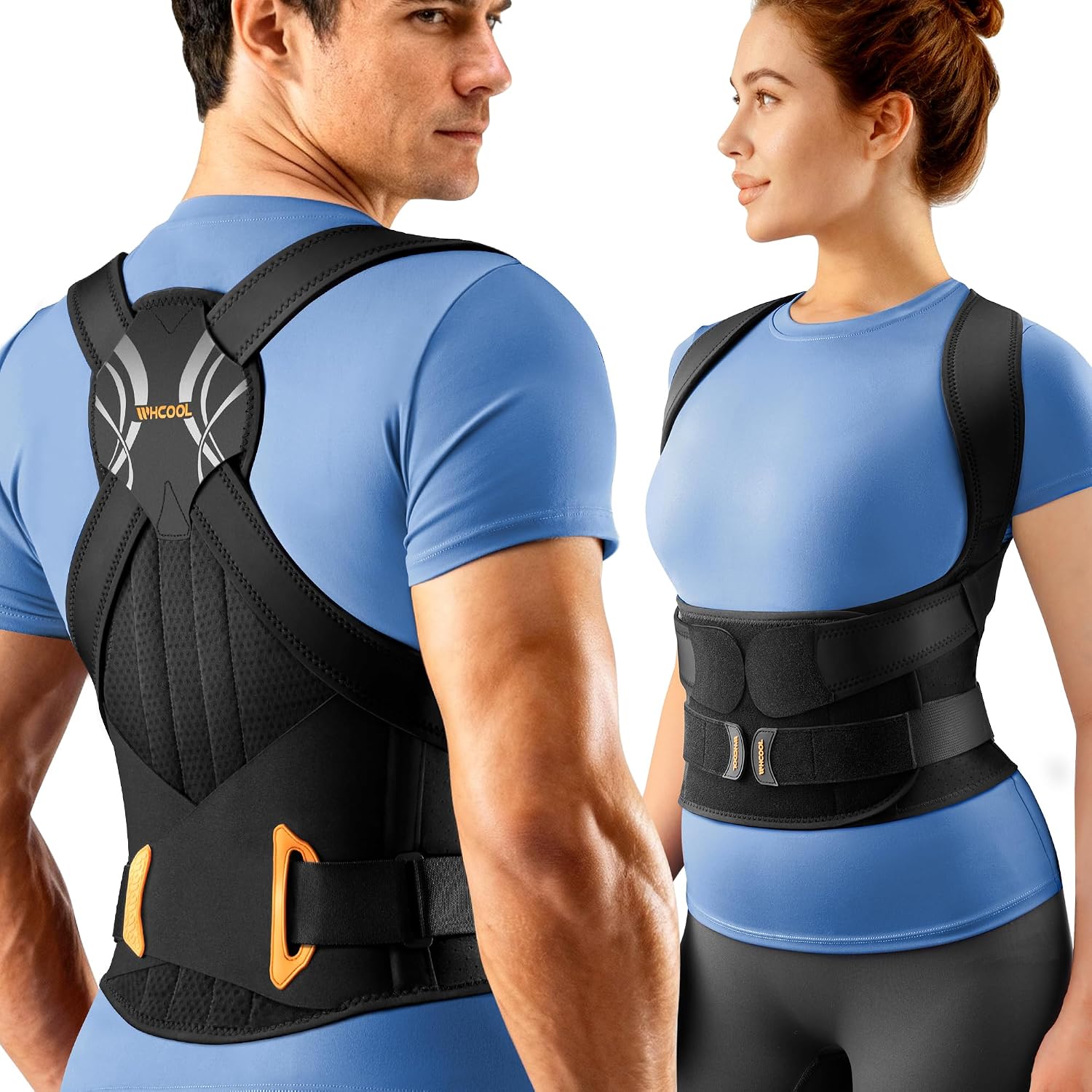
If I had to pick one piece of posture gear for a person who sits at a desk and slouches without noticing, this is it. The Slim-Fit corrector is a soft, low-profile brace with six stays built into the back panel. That design detail matters. A single stiff bar pulls at one spot and digs in, while six distributed stays spread the cue along the length of your thoracic spine. You feel the reminder, not a pressure point.
The reason it takes the top spot is that it is wearable under clothing. The brace that works is the brace you actually put on. Anything bulky enough that you have to plan your outfit around it ends up in a drawer by week two, and a posture corrector in a drawer corrects nothing.
How to dose it: start with twenty to thirty minutes a day, during the part of your day when your posture collapses, which for most desk workers is mid-afternoon. Wear it, notice where neutral is, then take it off and hold that position under your own power. That transfer is the whole point. If your shoulders ache after wearing it, it was too tight or on too long. Back off rather than toughing it out.
Best for Neck Traction: Cervical Traction Orthotic Device
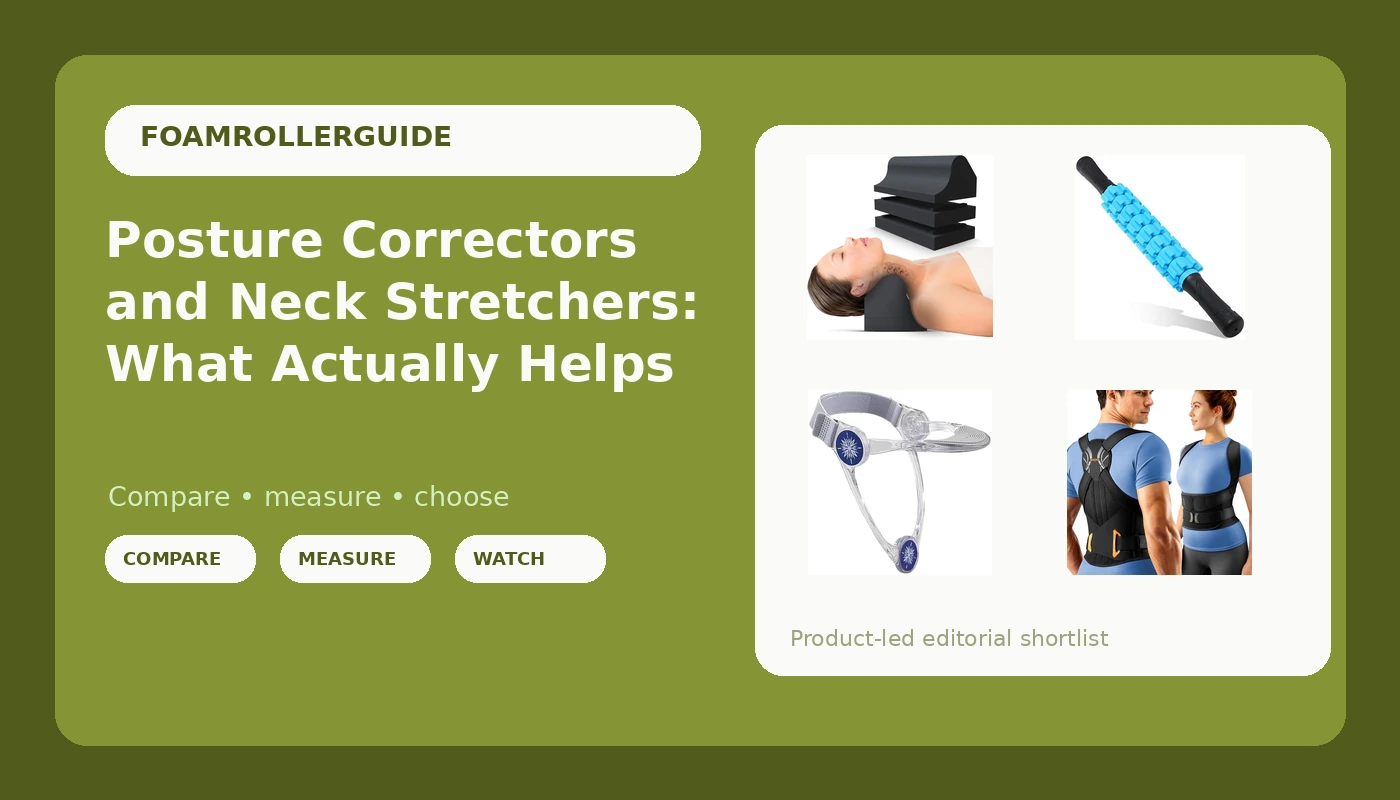
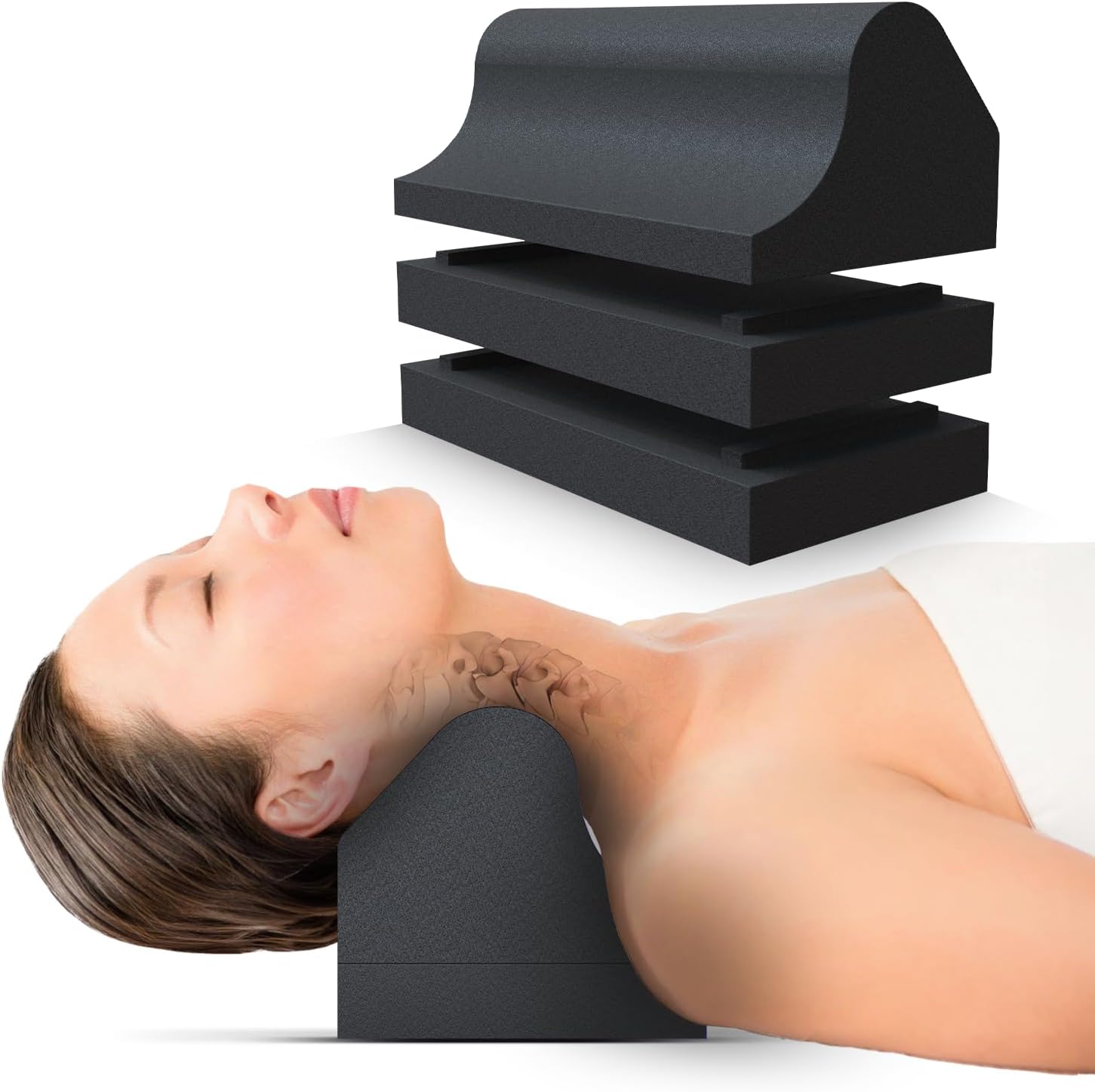
Cervical traction at home used to mean a door rig and a prayer. This device is the calmer version: an orthotic that supports the natural curve of your neck while you lie on your back, so gravity and the shape of the support do the lengthening for you. You use it supine, on a firm surface or the floor, for a few minutes at a time.
It is aimed at the specific problem of forward head posture, the position where your ears sit in front of your shoulders and the muscles at the base of your skull work overtime all day. Patients describe that as tension that starts at the neck and travels up into a headache. Traction is not a fix, but it can interrupt the cycle long enough to make the rest of your exercises easier to do.
Read the instructions and go slow. Neck traction is one of the few categories where more is genuinely worse. A couple of minutes, once or twice a day, is a reasonable starting point for most people. Anything that produces numbness, tingling, or dizziness is a stop signal, not a challenge. If you have a disc issue, a history of neck injury, or any radiating symptoms, clear it with your clinician before you buy anything.
Best for Muscle Work: ZanLLW Massage Roller Stick
A roller stick is not a foam roller, and that is exactly the point. The ZanLLW stick is a long rolling pin with handles, which means you can load your calves, thighs, and quads while standing or sitting, without getting on the floor and without using your body weight as the pressure source. For anyone whose shoulders will not tolerate the plank position a foam roller demands, that is a real advantage.
Trigger points in the calf and along the outside of the thigh respond well to this kind of targeted, slow rolling. The mistake people make is going fast. Rolling fast feels productive and does very little. Slow passes over a spot, with pressure that is uncomfortable but not sharp, is the dose that actually changes how tissue feels. If you are crying, you are not recovering.
It is also the easiest piece of recovery gear to keep next to the couch, and that matters more than any spec sheet. A tool you use for three minutes every evening beats a better tool that lives in a closet.
Best Adjustable Support: 360 Degree Adjustable Neck Collar
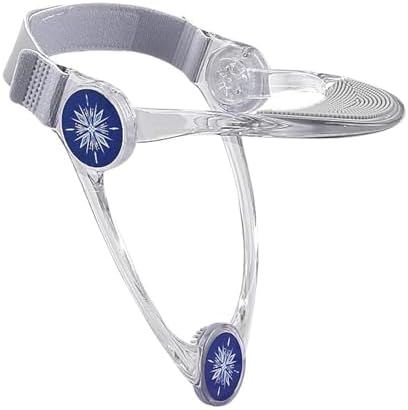
This one is the compromise device, and I mean that as a compliment. The 360 degree adjustable collar is a plastic neck support with a stretcher built into the design. It is firmer and more structured than a soft foam collar, and because it adjusts, you can set the support to a level that holds your head neutral instead of craning it forward.
I recommend structured collars for short, specific windows: the days after a flare-up when your neck muscles are guarding and every movement hurts, or a long drive where you cannot change position. Used that way, a collar reduces the load on irritated tissue and lets you get through the day.
Used the other way, worn all day for weeks, it does what every brace does when you overuse it. The deep neck flexors get weaker and you become dependent on the support. Take it off as soon as the acute phase passes and start loading the muscles that are supposed to hold your head up. The collar is a bridge, not a destination.
How I evaluate posture gear
Four questions, in this order.
Does it match a real clinical need? A brace for someone with rounded shoulders and a desk job is doing a job. A brace for someone with a structural curve is not, and no amount of marketing changes that.
Can a normal person use it without hurting themselves? If the setup requires a second pair of hands or a physics degree, it fails. The best device is the one a tired person can use correctly at nine at night.
Does it survive six months of real use? Hook and loop closures that stop sticking, plastic that cracks, stays that migrate out of position. Gear that dies in a season is not a bargain at any price.
Would I hand it to a patient I like? That is the test. If the answer is no, it does not go in the article.
Analysis and clinical notes
Here is where most people go wrong, and it is not the product's fault. It is the dose.
Braces are reminders, so they are measured in minutes, not hours. Traction is measured in a few minutes, once or twice a day, because the neck does not respond well to being stretched like a rubber band for an hour. Roller work is measured in slow passes over a specific area, not in a sweaty fifteen-minute session that leaves bruises. Every one of these tools has a therapeutic window, and past the window the tool stops helping.
The second mistake is treating the device as the treatment. The brace teaches your body where neutral is. The exercise is what builds the endurance to stay there. Ten minutes of chin tucks and rows does more for your posture over a month than eight hours a day of bracing, and I will say that to anyone who asks, even if they came in wanting to buy something.
The third mistake is ignoring pain signals. Soreness that fades within a day is normal after rolling or a new exercise. Sharp pain, numbness, tingling, or dizziness during neck work is a stop sign. That is not toughness being tested. That is a nerve telling you something.
So which one first? If you sit at a desk all day and your upper back rounds, start with the corrector. If your problem is headaches and a stiff neck at the base of the skull, start with the traction device or the collar for short windows. If your legs are the complaint and floor work hurts your shoulders, the roller stick is the practical pick. Most people need one, not four.
The posture and recovery reference table
This is how I sort these four when someone asks me what to buy. The target column is the region the device is built to influence. The use column is how long it stays on or in use per session. The notes column is what I would tell you in person, in one sentence.
| Product | Primary target | How to use it | Notes |
|---|---|---|---|
 Visit on Amazon → Slim-Fit Posture Corrector |
Upper back and shoulder position | 20 to 30 minutes, during your worst posture window | Thin enough for under a shirt, and a reminder rather than a lift |
 Visit on Amazon → Cervical Traction Orthotic Device |
Base of the skull and the neck curve | A few minutes, supine, once or twice daily | Stop if you feel tingling or dizziness |
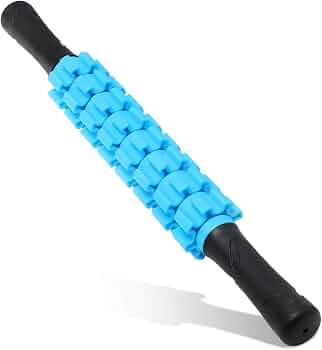 Visit on Amazon → ZanLLW Massage Roller Stick |
Calves, thighs, and quads | 3 to 5 minutes per area, slow passes | The right call when floor work hurts your shoulders |
| <img src="/images/products/B0C7W6BGS7.jpg" alt="360° Adjustable Neck Collar - Neck Support with Neck Stretcher | Cervical Collar Made of Plastic for Correcting Forward Head Posture and Relieving Neck Pain" width="340" style="border-radius:8px;max-width:340px;width:340px;height:auto;max-height:420px;object-fit:contain"> 360 Degree Adjustable Neck Collar |
Neck support during flare-ups | Short windows, acute phase only |
Should you buy the Slim-Fit Posture Corrector?
Yes, if you sit at a desk and slouch without noticing. The six-stay panel spreads the cue across your upper back instead of digging into one spot, and it is thin enough to wear under a shirt, which is the difference between a device you use and a device you own.
Start at twenty to thirty minutes a day during your worst posture window, then take it off and hold the position yourself. That transfer is what you are paying for. What it will not do is build the strength to hold your posture without it, so pair it with a few minutes of chin tucks and rows. If your shoulders ache after wearing it, it was too tight or on too long.
Should you buy the cervical traction device?
It depends on your neck, and this is the one item in the group I would want you to clear with a clinician first. Used supine for a few minutes at a time, it lengthens the muscles at the base of the skull that work overtime when your head sits forward of your shoulders. For the tension that starts at the neck and climbs into a headache, that can be a real interruption in the cycle.
Keep sessions short. A couple of minutes, once or twice a day, is plenty for most people. Numbness, tingling, or dizziness means stop. If you have a disc issue or a history of neck injury, get clearance before you start, because this is not a category where pushing harder helps.
Should you buy the 360 degree adjustable neck collar?
Buy it for short, specific windows: the days after a flare-up when your muscles are guarding, or a long drive where you cannot change position. It is firmer and more structured than a soft foam collar, and the adjustment lets you set support without craning your head forward.
Do not live in it. Worn all day for weeks, a collar weakens the deep neck flexors and you become dependent on the support. Take it off as soon as the acute phase passes and start loading the muscles that are supposed to hold your head up. Used that way, it is one of the more useful tools in this group. Used the other way, it is the reason your neck still hurts in March.