Related: How to Foam Roll Your Lower Back Without Making It Worse
I've fit more back braces in a clinic exam room than I can count, and the conversation almost always starts the same way: someone hands me a brace they bought online, it's the wrong type or the wrong size or both, and they want to know whether it's doing anything. This back braces buying guide starts with the question I actually ask first, which is what the brace is supposed to do. Support a spine that's calming down after a strain? Remind you to sit up at hour seven of a desk day? Hold a kid's shoulders back while they write? Those are three different products, and only some of them are back braces at all.
I've spent twelve years fitting these things, half of that in a clinic where people came in because their back "just hurt" and nobody had explained the difference between support and correction. So I judged each of these the way I'd judge them across the treatment table: what it targets, whether you can put it on by yourself, whether it stays where you put it, and whether the marketing matches the design. Nobody needs another list of the five most expensive options.
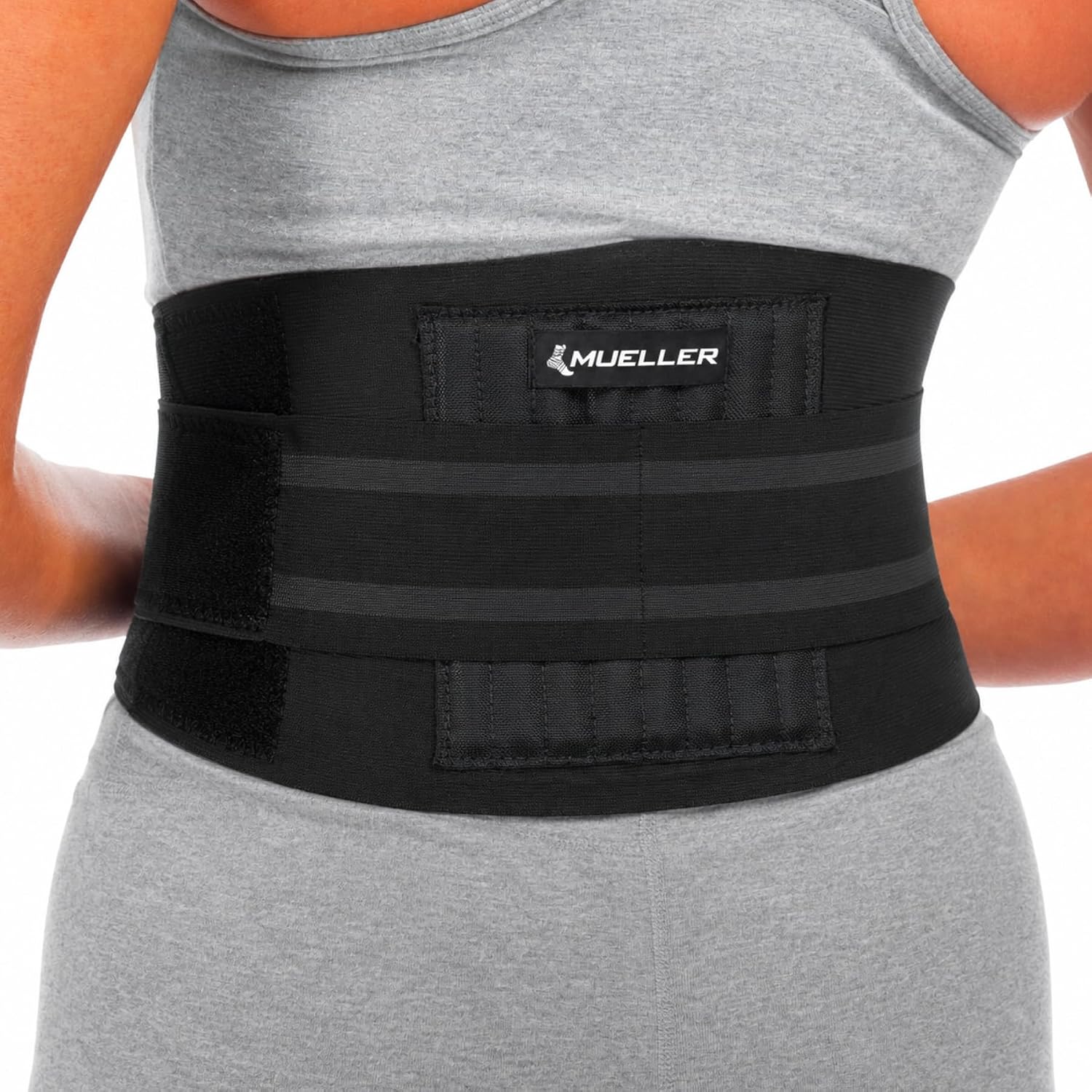
Best Overall: MUELLER Sports Medicine Adjustable Back Brace
This is the one I'd hand someone with an angry lower back who still has to work. It's an adjustable elastic wrap with a hook-and-loop closure, cut to cover the lower back and the area above it, and it's built for men and women. That unisex part matters more than it sounds, because a lot of braces are shaped for one body and then sold as universal.
What I like is that it's a support, not a corrector. It wraps, it tightens, it comes off when you're done. That's the whole job. A brace like this gives you feedback against your trunk so you move differently for a few days, and it offers a little external support while a strain settles. It does not strengthen anything. It will not change a curve. The listing mentions scoliosis, and I'd ignore that line entirely. A soft elastic wrap has no business being sold as scoliosis management; if a curve is your issue, you need a specialist, not a wrap.
Where it earns the top spot: it adjusts over clothes or against skin, it goes on without help, and it doesn't ask you to hold a posture all day. Wear it for the hour you're unloading the truck or the two days after you tweaked something, then take it off. That's the dose.
Where it falls short: an elastic wrap can roll or bunch if you overtighten it, and it holds heat on a July afternoon. It's also not a reminder. Nothing about it will nag you at hour six of sitting.
Best Value: Armor Adult Universal Upper Back Brace
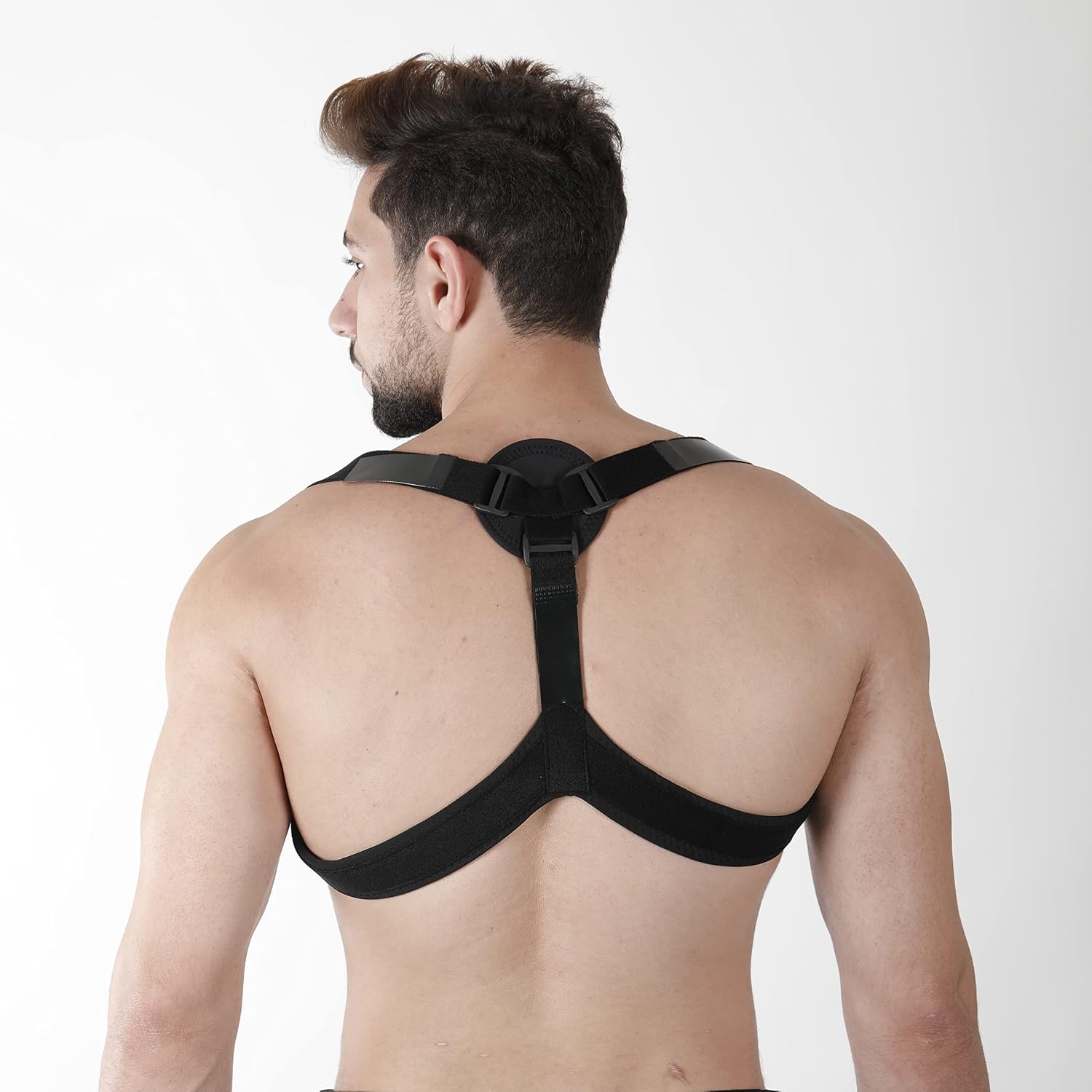
This is a clavicle and thoracic strap, not a lumbar support. Two padded straps, hook-and-loop closure, adjustable, universal fit. You put it on, you pull your shoulders back into it, and it holds them there while you're at a desk or between sets of rows. If your pain is low, this is the wrong product, and that's the most common mistake I see.
It's the value pick because it doesn't pretend. Almost no hardware means almost nothing to break, and the adjustment does real work rather than being decorative. What it doesn't do is strengthen anything. Take it off and your shoulders go exactly where they always went unless you're doing the pulling and rowing that actually changes things. Use it as a timer you can lean against, not as treatment.
The honest caveat is the word universal. One strap length has to cover a lot of different shoulder widths, so narrow or very broad frames will spend time fiddling. If you can't get the straps to sit flat without pulling, size isn't going to fix it.
How I tested
I'm not going to tell you I wore all five of these for a month and logged the results. What I did was read each design the way I'd read it across the treatment table, against the checklist I've used for years.
One, what does it target? Lower back, upper back, or a desk? Two, can you put it on alone in under a minute without dislocating a shoulder? Three, is the adjustment real, or is it one size pretending? Four, can you tolerate it for the length of time the product implies you should wear it, edges and heat included? Five, does the marketing match the design, or is the box making claims the fabric can't keep?
I also applied the rule I apply to every brace: snug, not tight. I keep a pressure gauge in my treatment room for the "it hurts so it's working" crowd, and the same logic holds here. A brace you're counting the minutes to escape is too tight. Tight braces don't work better. They make you breathe shallow and quit the brace by day three.
Analysis and test results
Most people shopping for back braces are actually shopping for one of three different things, and the confusion is why so many of these end up in a drawer.
The first is support: something that wraps the trunk while an irritated back calms down. That's the MUELLER brace, and it's the one with the clearest clinical job. The second is a posture reminder: a strap or a buzz that tells you to stop collapsing. That's the Armor strap, the BackEmbrace, and the P1. The third is a desk device that holds a child in position while they write, and that's the ZJchao, which isn't a brace you wear at all.
The support category is the least glamorous and the most useful. The reminder category is where the marketing runs ahead of the engineering. A posture corrector doesn't train your back muscles, it cues your attention. That's a real benefit for someone who genuinely doesn't notice they've folded in half by 10 a.m., and it's useless for someone who notices and doesn't care.
Dosing is the part nobody tells you. Twenty to thirty minutes at a stretch for a reminder device, then off. All-day wear is how you get red marks, rib irritation, and a false sense that the problem is handled. The brace is an adjunct. Movement is the treatment, and a brace that keeps you from moving is a bad trade.
Fit decides more outcomes than brand. Measure your chest or waist, whichever the product asks for, and use it. Check the return policy before you wear anything against skin for an hour.
Back braces comparison table
| Product | Type | Best for | Adjustment | Price |
|---|---|---|---|---|
 Visit on Amazon → MUELLER Sports Medicine Adjustable Back Brace |
Lumbar and trunk wrap | Acute strains, heavy lifting days | Hook-and-loop, wide range | $16.97 |
 Visit on Amazon → Armor Adult Universal Upper Back Brace |
Upper back posture strap | Desk reminders on a budget | Hook-and-loop, universal sizing | $11.99 |
 Visit on Amazon → BackEmbrace Posture Corrector |
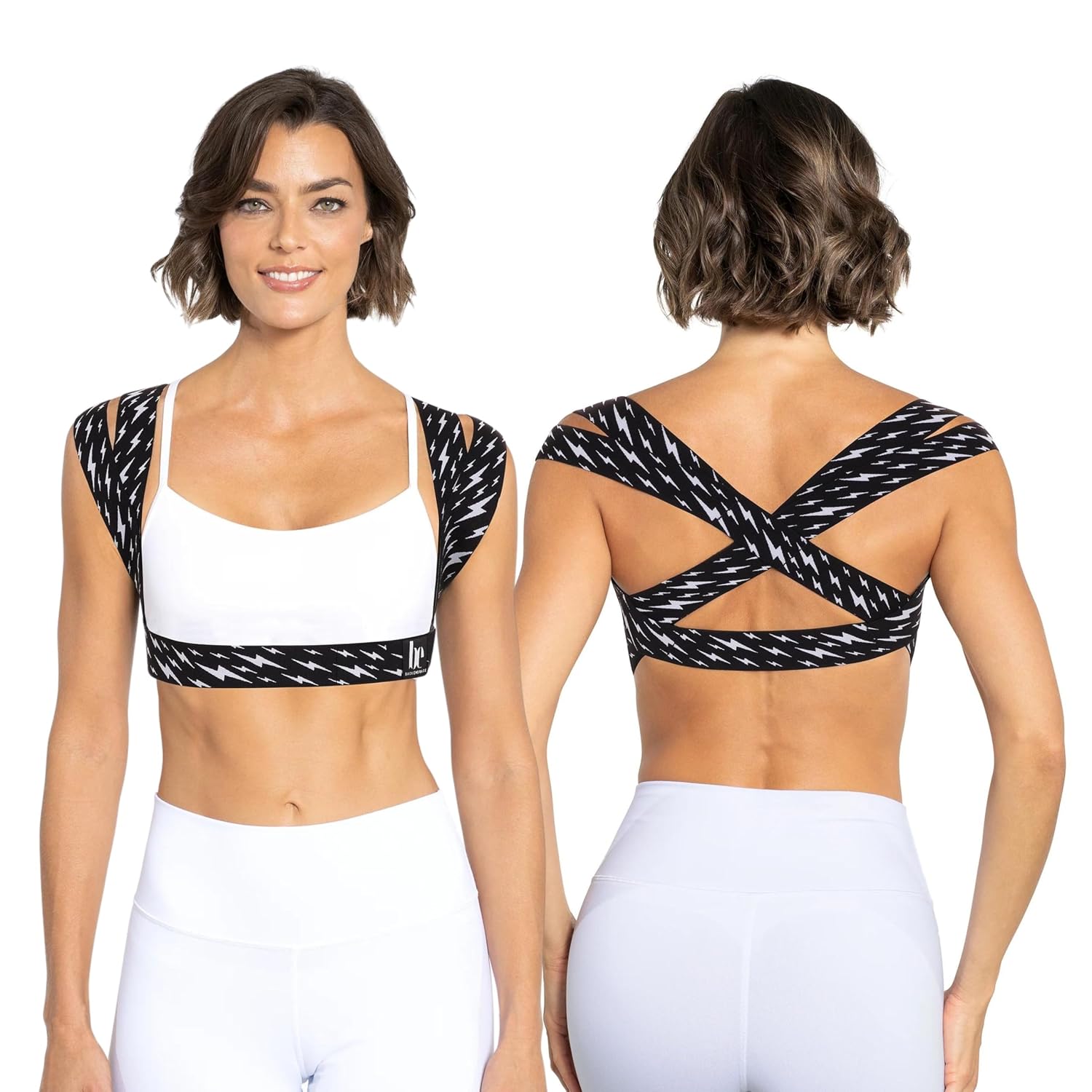
Slim shoulder brace | Wearing under clothing | Adjustable shoulder straps, sized | Check current Amazon price |
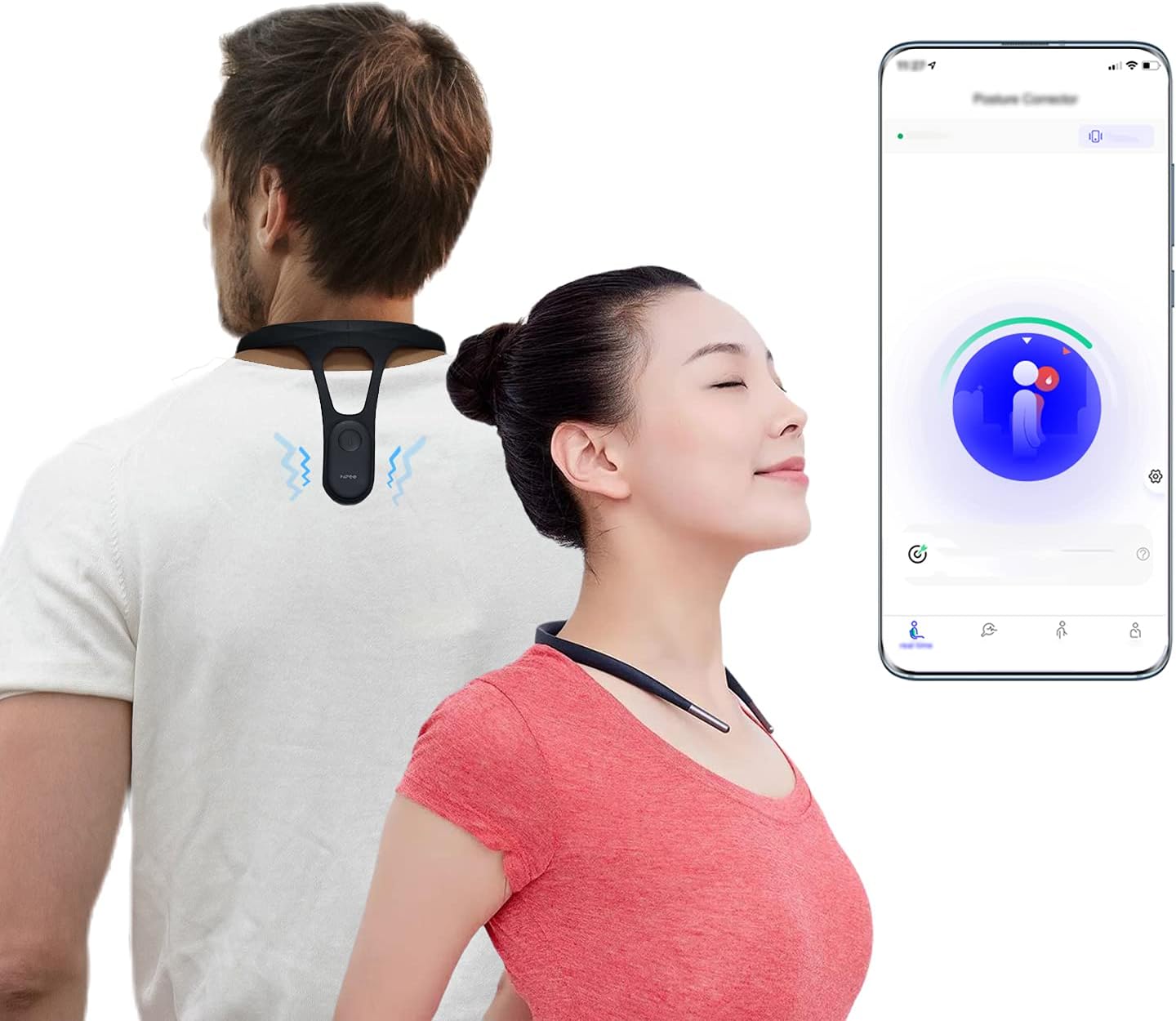 Visit on Amazon → P1 Posture Corrector |
Strapless vibration reminder | People who hate straps | Rechargeable, 50H battery claim | $49.99 |
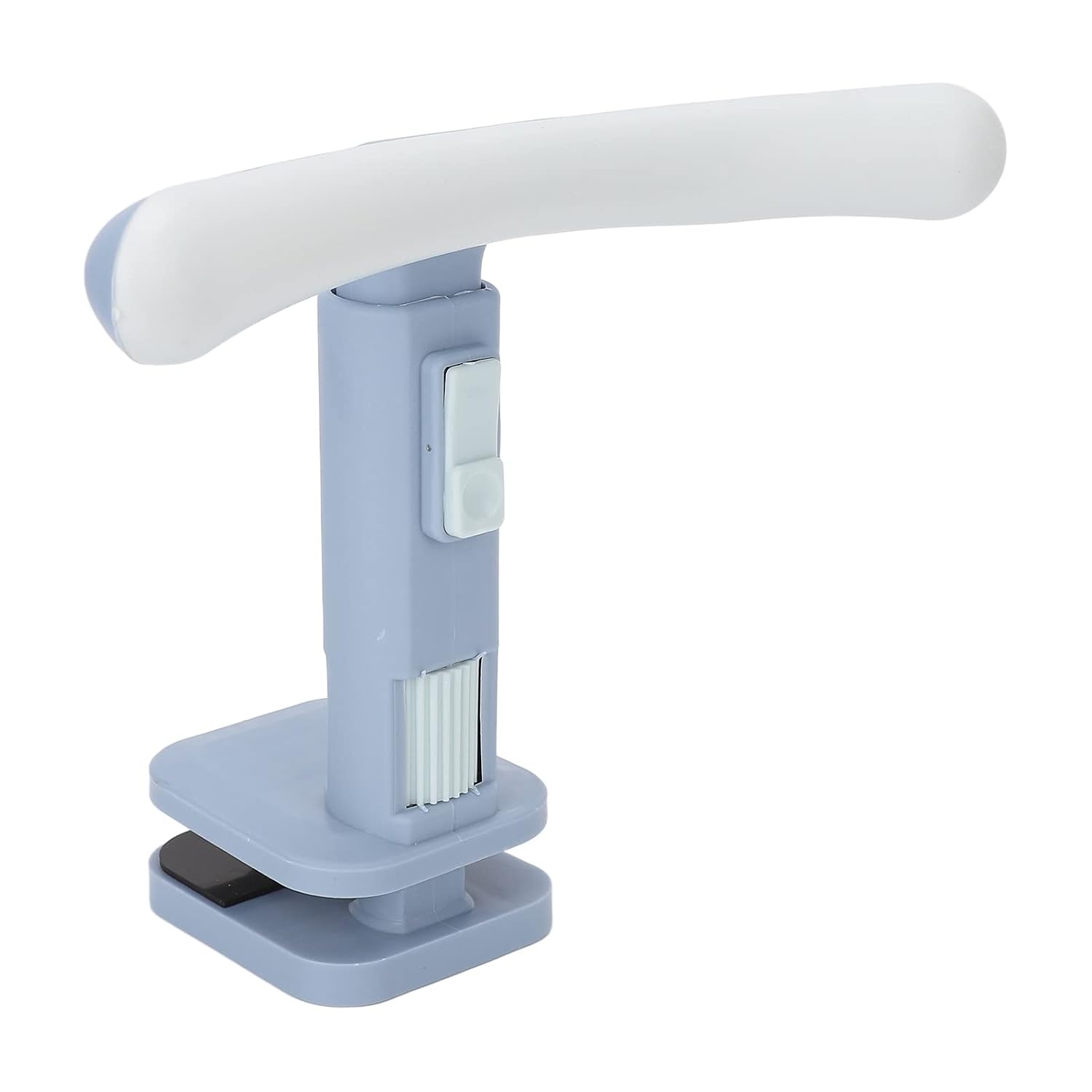 Visit on Amazon → ZJchao Sitting Posture Corrector |
Desk-mounted positioner | Short supervised homework sessions | Height adjustable | $20.41 |
Upper back posture correctors: P1 versus BackEmbrace
The P1 takes the straps out of the equation. It's a strapless upper back device that nudges you with vibration when you slouch, rechargeable, with a 50 hour battery claim on the listing. For people who rip off shoulder straps within twenty minutes, that's the whole argument. The cue is a buzz instead of a pull, so nothing is dragging your shoulders anywhere.
The BackEmbrace is the opposite approach, done well: slim straps, adjustable, made in the USA, sized M/L rather than universal, and low profile enough to disappear under a shirt. The trade-off is leverage. Slim means less pull, which is fine if you want a reminder and frustrating if you expected a device to hold you upright.
Why the ZJchao desk corrector isn't a back brace
It's a height adjustable desk attachment that holds a child's chest and posture in place while they read or write, aimed at writing posture and the myopia concerns that come with faces parked six inches from paper. You don't wear it. It's not in the back braces category, and I'd be careful about putting it there.
Would I recommend it for a kid? For short, supervised homework stretches, maybe, if a teacher or therapist has flagged posture during writing. As an all-afternoon restraint, no. Fix the chair height, get the page up, and take breaks. A device that traps a kid in position is the kind of thing they learn to fight, and you lose that fight by week two.
Should you buy the MUELLER Sports Medicine Adjustable Back Brace?
Yes, if you want short-term support around a strain or a job that involves lifting, and you understand it's a wrap rather than a fix. Check current Amazon price, then check the size and measure before you wear it for an hour, because fit is what makes or breaks a trunk brace.
Skip it if you're looking for posture correction or anything to do with a spinal curve. It won't do either, and the scoliosis language on the listing is marketing, not medicine. Also skip it if you want a reminder to sit up, because it gives you nothing to lean against and nothing to buzz you.
Should you buy the Armor Adult Universal Upper Back Brace?
Yes, if you want an inexpensive upper back reminder you can put on without help, and you're willing to do the rowing and pulling work that actually changes your posture. Check current Amazon price and check the strap length against your frame, because universal fit is a compromise.
No, if your pain sits low, if you want something invisible under a work shirt, or if you've tried posture straps before and hated the pull. In that case the strapless reminder in this guide is the better experiment, and the slim shoulder brace is the better one for wearing under clothing.