Most of the posture corrector and neck traction devices that walk into my treatment room were bought on a bad Tuesday. Someone's upper back ached after a nine hour desk day, someone else woke up with a neck that felt like it belonged to a different person, and a listing promised alignment. I get it. I have prescribed these things, I have talked people out of them, and I have watched both decisions go fine. This comparison is about which of the four devices below fits which problem, because a brace that helps one person's rounded shoulders does nothing for another person's forward head, and buying the wrong one is how a piece of webbing ends up in a drawer.
Related: Foam Rolling Before Vs After A Workout
The best first purchase for most desk workers with rounded shoulders is the Armor upper back brace, because it does one job, pulling the shoulder blades back, without pretending to fix your neck. If your actual complaint is in the neck and you have been cleared to use traction, the cervical traction device is the more targeted tool, but it is not a casual buy. The two full and upper back posture correctors sit in the middle, and the difference between them is coverage and how new the hardware is.
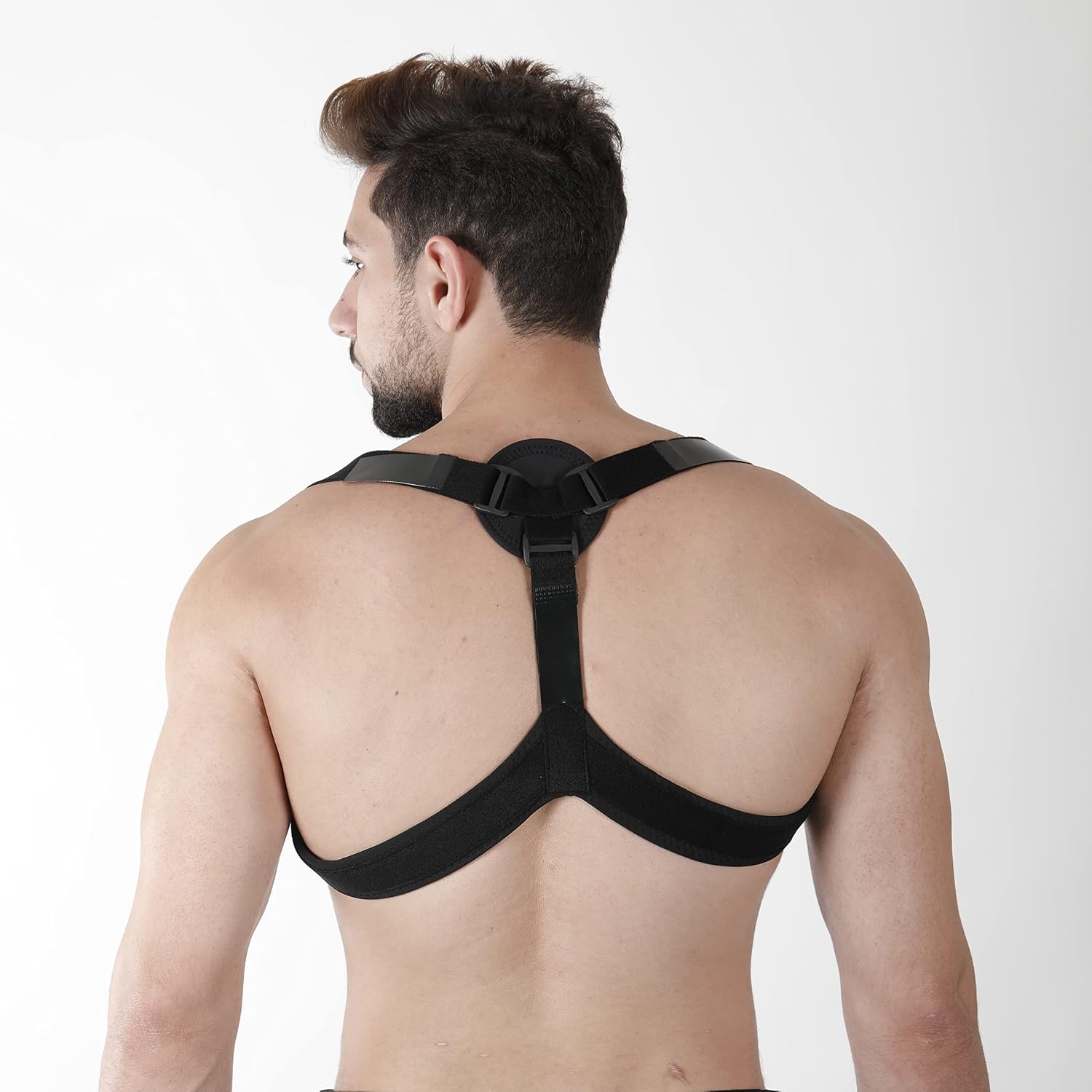
Armor Adult Universal Upper Back Brace for Posture Correction
Simplest mechanism of the four, upper back and clavicle pull only, adjustable hook and loop closure
Universal fit means it suits some bodies better than others, no lower back coverage
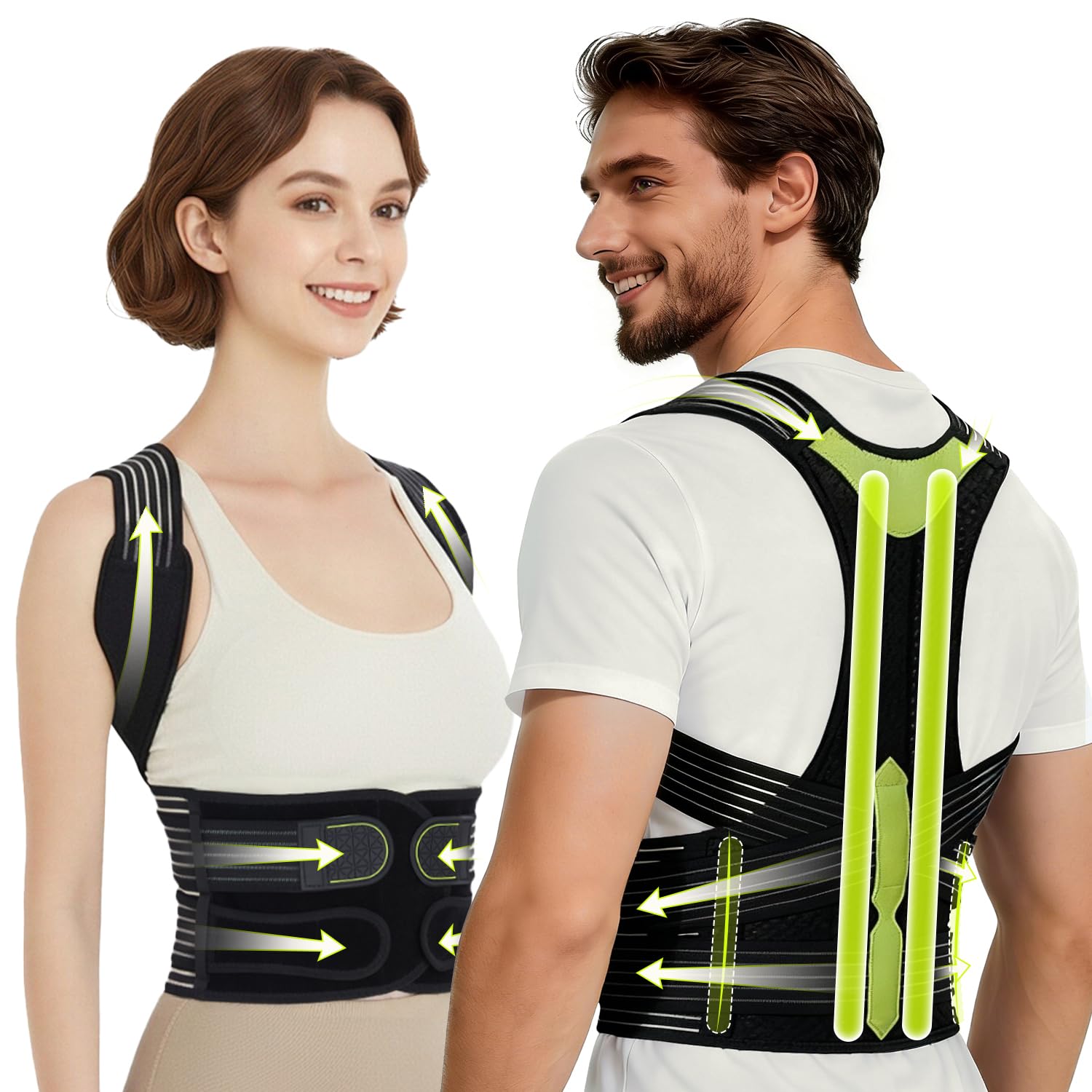
Posture Corrector for Women and Men, Adjustable Full Back Brace Support
Full back coverage spreads the pull across the upper and mid back
More fabric and more heat, overkill if only your shoulders round
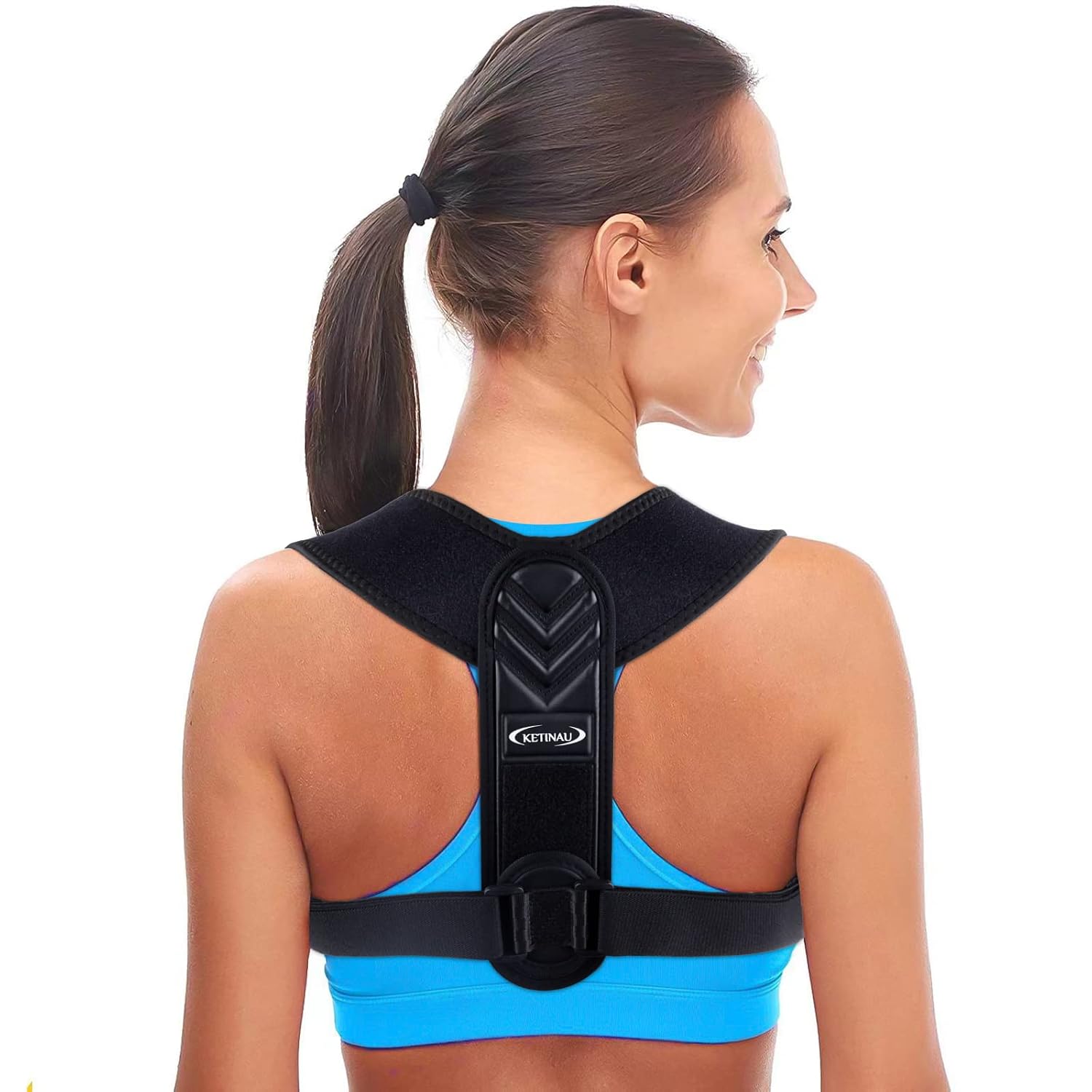
Posture Corrector for Women and Men NEW 2026 Adjustable Upper Back Brace
Current upper back design with updated adjustment hardware
Most expensive of the three braces for a similar job
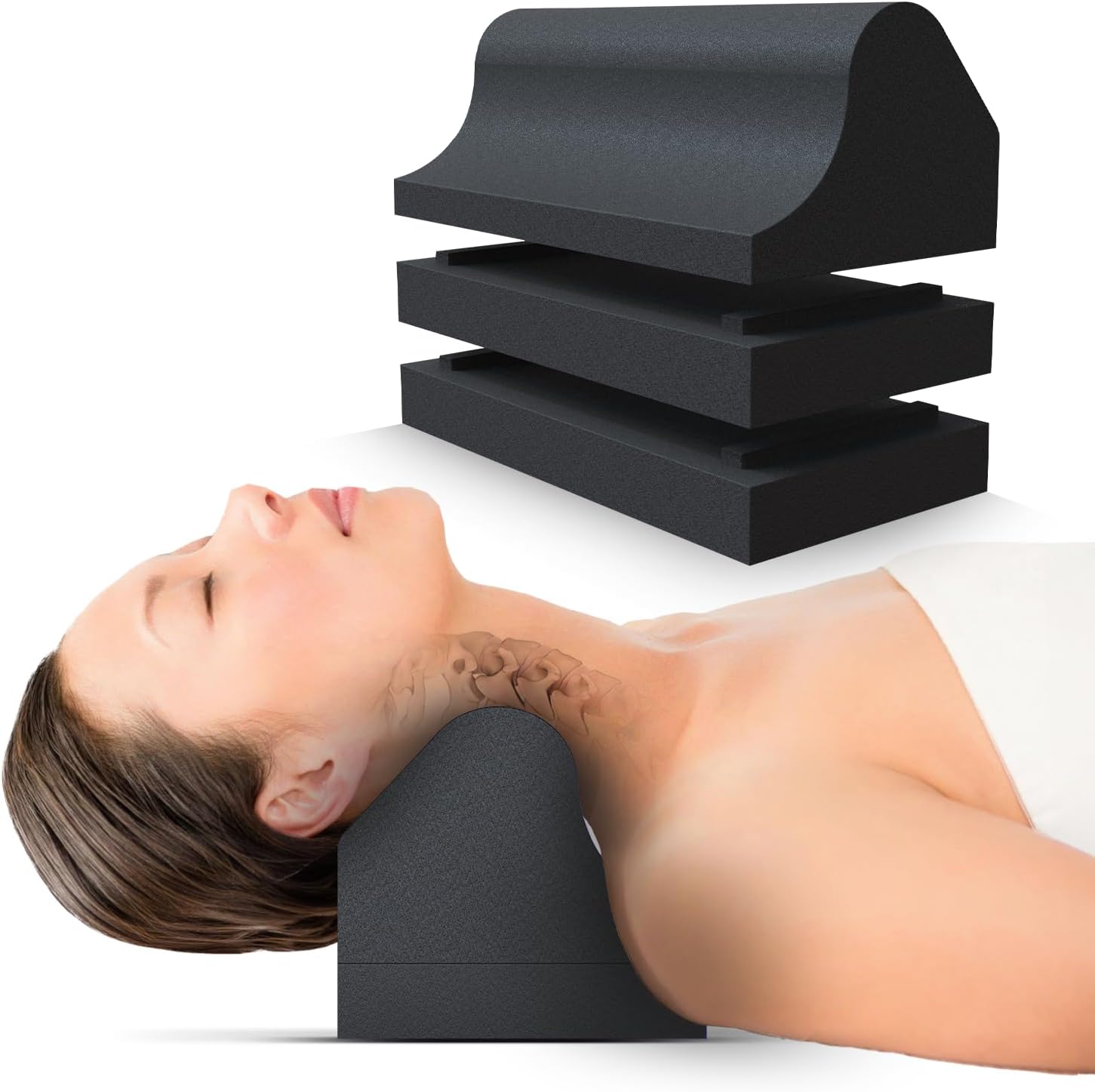
Cervical Traction Orthotic Chiropractic Neck Alignment Device for Forward Head Posture (Black)
The only device here that addresses the neck and forward head posture directly
Needs a slow, careful ramp and a clinician's sign off before you start
Prices and availability were captured from Amazon Creators API and may change.
How I judge a posture support
Three questions, in order, before I care about anything else.
First, where does the pull happen? A useful upper back brace pulls the shoulder blades back and down. A bad one pulls the shoulders back while shoving the neck forward, which is the exact posture you are trying to leave. If a strap crosses anywhere near your throat, it is wrong, no matter how the listing photographs.
Second, can you put it on and take it off by yourself, in under a minute, without wrenching a shoulder? All three braces here use hook and loop closures, which is the right call. Anything with buckles behind your back becomes a device you stop using by week two.
Third, does it stay where you put it when you breathe and reach? A brace that rides into your armpits every time you pick up a coffee cup is one you will spend the day adjusting, and adjusting is not the same as being supported.
Then the clinical question, which matters more than the first three combined: is this device doing a job your own muscles should be doing? A brace is a reminder and a positioner. It is not a substitute for the two minutes of scapular work I would hand you in the same breath. Wear it, do the work, take it off.
The three upper back braces
These three are variations on one idea: a strap system that holds your shoulders back so the muscles between your shoulder blades can remember what that feels like. The differences are coverage, hardware, and how visible the thing is under a shirt.
Armor Adult Universal Upper Back Brace for Posture Correction
This is the simplest of the four devices, and simple is a feature. The listing describes an upper back brace with a clavicle stabilizer and an adjustable hook and loop closure, which means the pull comes from the shoulder straps and the tension is yours to set. For someone whose shoulder blades drift forward across a long desk day, that is the whole mechanism you need. There is no lumbar panel, no rigid stay pressing into your ribs, nothing to fuss with.
Where it loses: the design covers the upper back and clavicle area, so if you want support lower down the thoracic spine or across the mid back, this is not that device. It also sits under clothing like a piece of webbing, which is fine under a hoodie and less fine under a dress shirt. And a universal fit is a polite way of saying it will be perfect for some bodies and merely acceptable for others.
Posture Corrector for Women and Men, Adjustable Full Back Brace Support
This one covers more ground. The full back design spreads the pull across the upper and mid back instead of concentrating everything at the shoulder straps, so if your rounding starts lower, somewhere around the mid thoracic spine, the extra coverage is the reason to pick it. It is also the middle option of the three on price, which makes it the reasonable choice for someone who genuinely does not know yet whether their problem is at the shoulders or further down.
Where it loses: more coverage means more fabric against your skin. In a Minneapolis July, that is a real cost, and it is the reason I would not default to the fullest brace for someone who runs hot or works outside. The larger frame is also harder to hide under a fitted shirt. If your rounding is purely at the shoulder blades, you are paying in heat for coverage you do not need.
Posture Corrector for Women and Men NEW 2026 Adjustable Upper Back Brace
The newest of the three braces and the most recent version of the upper back style. If you want the current adjustment hardware and you would rather buy the newer iteration than the older one, this is the pick, and mechanically it does the same job as the Armor: shoulder blades back, tension adjustable, upper back only.
Where it loses: it is the priciest of the three braces, and the difference between it and the cheaper upper back option lives in the details of the build rather than in the concept. That is a fine thing to pay for if you already know a brace will stay in your routine. It is a poor thing to pay for if you are still testing whether you will wear one at all. Buy the cheaper version first, and upgrade once you know the habit sticks.
The cervical traction device
The Cervical Traction Orthotic is the odd one out here, and it is the one I would want a clinician's eyes on before you order it. It is designed for the neck: spinal curve, tension, forward head posture. Traction works by creating a gentle, sustained stretch of the cervical spine, and the reason it is not a casual purchase is that the neck is not a muscle group you can bully. You can be too aggressive with a foam roller on your quads and be sore for a day. You can be too aggressive with your neck and be in real trouble.
If your neck pain is muscular, the product of holding your head forward for eight hours, traction can feel genuinely good. If you have any history of disc issues, instability, or symptoms that radiate into an arm, that is a conversation with your doctor or your PT before the box arrives, not after. Start with the shortest session the device allows, stop if anything tingles, numbs, or shoots, and treat that as the rule rather than a suggestion.
The other caveat is that traction is passive. It creates space and reduces tension while you are in it. It does not teach your deep neck flexors to hold your head up, which is why I pair it with chin tucks and a chest stretch, and why the people who get the most out of it are the ones doing the boring exercises between sessions.
Dosing: how long to wear a brace
Twenty to thirty minutes at a time, once or twice a day, while you are doing something that would otherwise pull you into a slump. Not all day. Not to sleep. Not as a permanent exoskeleton.
The reason is mechanical. Your postural muscles adapt to whatever you ask of them. Wear a brace for eight hours and you have asked them to do nothing. Wear it for thirty minutes while you answer email, then take it off and hold the position yourself, and you have used the brace the way a cast is used after a fracture: as a temporary teacher, not a permanent fixture.
The honest version of what I see: most people wear these for two weeks, feel better, and stop. The ones who keep the improvement are the ones who replaced brace time with movement time, and who kept the brace as a cue for the days when the desk wins.
What a brace will not do
It will not fix your posture permanently, because posture is a habit and a strength problem, not a strap problem. It will not replace mid back and shoulder strength work. It will not make neck pain disappear if the neck pain is coming from your neck, which is why the traction device exists as a separate tool rather than a feature on a brace.
It also will not survive a gym bag without the straps tangling, so store it somewhere you will actually grab it. A brace you keep in the closet is a paperweight with a hook and loop closure.
What I'm watching next
I am keeping an eye on how the 2026 upper back braces change their adjustment hardware, because that is where most of the practical difference lives between a brace you wear and a brace you resent. The other thing on my bench is how well these pair with a short daily routine: two minutes of chin tucks, a doorway chest stretch, and some band pull aparts. That combination, not the strap, is what changes posture over six months. The brace just makes the first two weeks easier.